
Energy Market Disruption
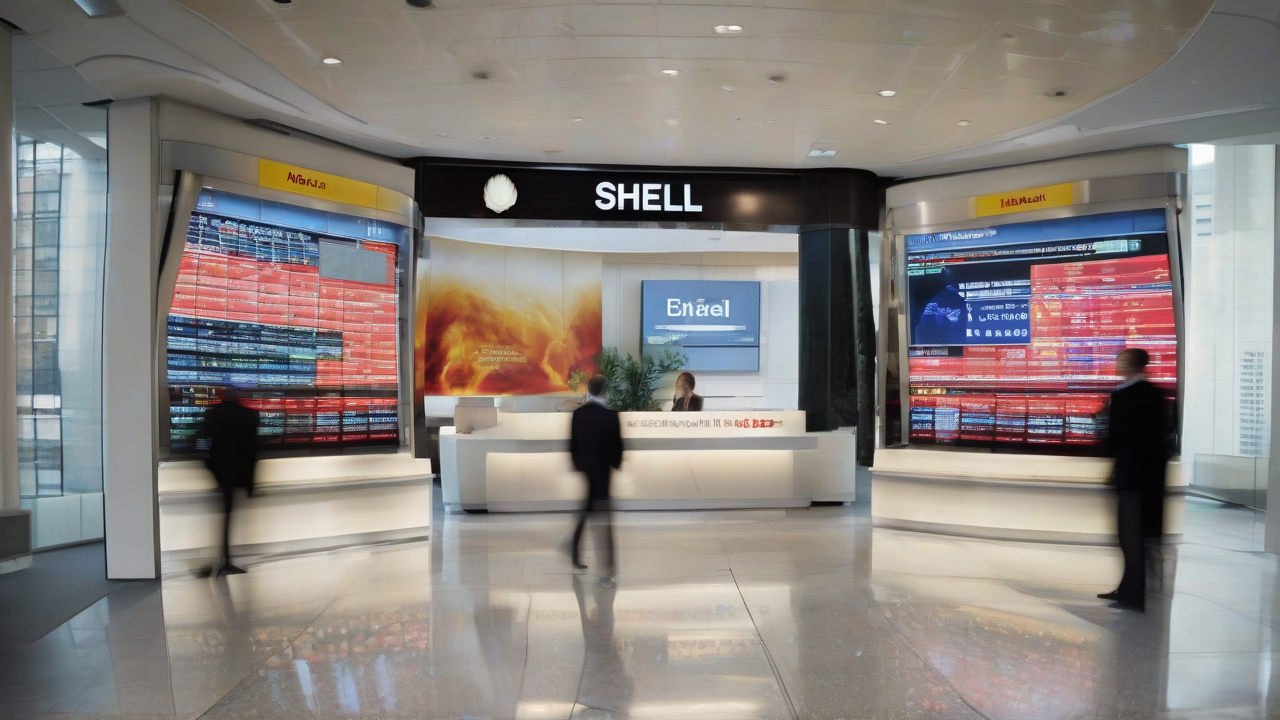
In a significant development that could have far-reaching implications for the global energy market, Shell has declared force majeure to its clients who purchase Qatari liquefied natural gas (LNG), according to sources. This move, as reported by Reuters, signals a major disruption in the supply chain of LNG from Qatar, one of the world’s largest exporters of the fuel.
Context and Implications
Observers point out that the declaration of force majeure by Shell is a result of unforeseen circumstances that have affected the company’s ability to fulfill its contractual obligations. The move comes at a time when the global energy market is already facing significant challenges, including the potential closure of the Strait of Hormuz, a critical waterway that connects the Persian Gulf to the Arabian Sea. Analysts note that such a closure could have a devastating impact on the global energy market, with LNG being one of the most affected sectors.
Broader Trends and History
The current situation is not unprecedented, as Qatar’s LNG export halt has been extending to its longest period since at least 2008, according to Bloomberg. The Economist notes that liquefied natural gas is often considered an overlooked economic chokepoint, with the potential to have a significant impact on the global economy. CNBS reports that the energy market may get hit harder than oil by the Strait of Hormuz closure, highlighting the vulnerability of the global energy supply chain.
Impact Analysis
The declaration of force majeure by Shell is likely to have a significant impact on its clients who rely on Qatari LNG for their energy needs. As reported by Al Jazeera, the move could lead to a shortage of LNG in the market, resulting in higher prices and increased competition for the limited supply. This, in turn, could have a ripple effect on the global economy, affecting industries that rely heavily on LNG, such as power generation and industrial manufacturing.
Expert Perspective
Analysts note that the current situation highlights the importance of diversifying energy sources and reducing reliance on a single supplier. The move by Shell also underscores the need for companies to have contingency plans in place to mitigate the impact of unforeseen disruptions in the supply chain. According to sources, the declaration of force majeure is a result of a combination of factors, including geopolitical tensions and technical issues, which have affected the production and transportation of Qatari LNG.
Forward-Looking Close
As the situation continues to unfold, observers will be watching closely to see how Shell and its clients respond to the declaration of force majeure. The company’s next steps will be crucial in determining the extent of the disruption and the potential impact on the global energy market. With the Strait of Hormuz closure still a possibility, the coming weeks and months will be critical in shaping the future of the energy market. As reported by Bloomberg, Qatar’s LNG export halt is likely to continue, and the market will be watching to see how this develops and what implications it may have for the global economy.


Reader Comments