
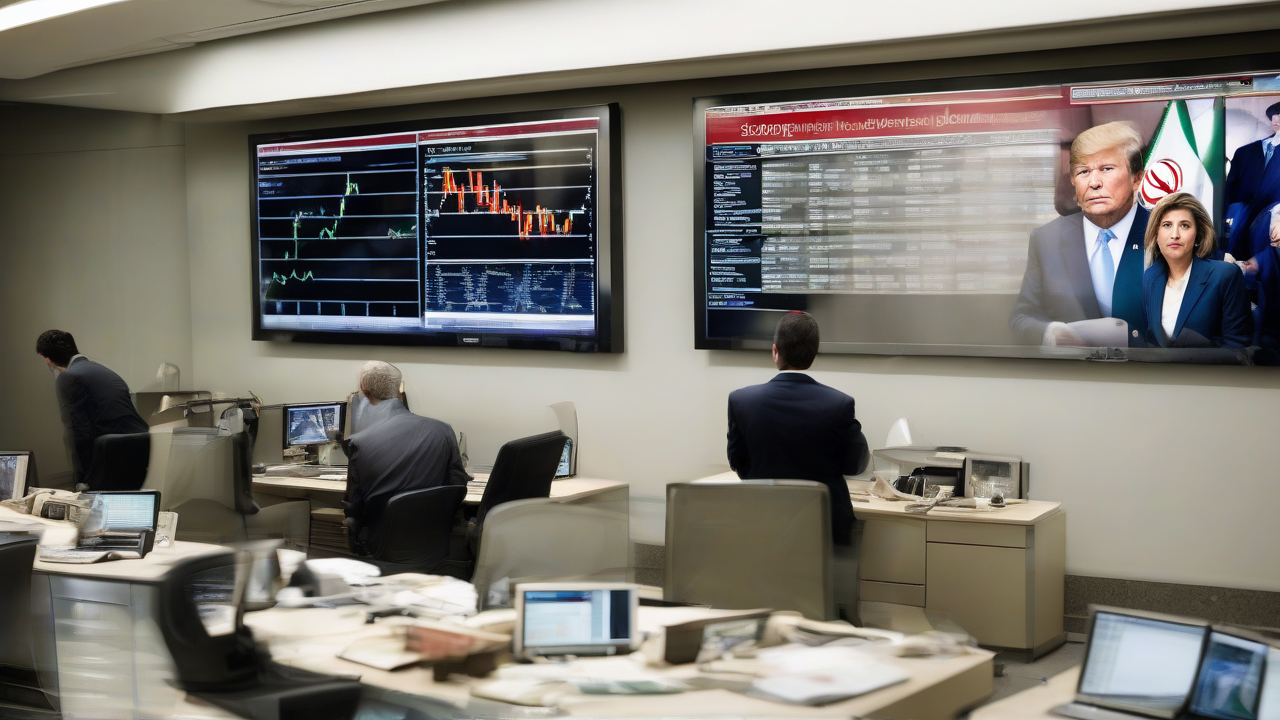
Escalating Conflict in the Middle East
As the conflict between the US and Iran enters its third week, voters in the US remain unclear about the administration’s goals in the region, according to analysts. The uncertainty comes as the US has intensified its strikes on Iran to unprecedented levels, with the US-Israeli alliance hitting around 15,000 targets since the war began. This significant escalation has raised concerns about the potential for further violence and the impact on the global economy.
Military Buildup and Strategic Objectives
The Pentagon has deployed a Marine expeditionary unit to the Middle East, signaling a significant buildup of military forces in the region. Observers point out that this move suggests the US is preparing for a prolonged conflict, but the administration’s strategic objectives remain unclear. Analysts note that the US has not clearly articulated its goals in Iran, leaving voters and international observers wondering what the US hopes to achieve through its military actions.
Iranian Response and Regional Implications
Iran’s Supreme Leader, Mojtaba Khamenei, has vowed to keep the Strait of Hormuz closed, a critical waterway for international oil trade. This move could have significant implications for the global economy, as it could disrupt oil supplies and drive up prices. Furthermore, Khamenei has warned that Tehran may open other fronts in the war if the US and Israeli attacks continue, which could lead to a broader regional conflict. Experts warn that such a scenario could draw in other countries and lead to a destabilization of the entire region.
Voter Uncertainty and Public Opinion
As reported by Bloomberg, voters in the US are increasingly uncertain about the administration’s goals in Iran. Cliff Young, Ipsos US Public Affairs Chair and Professor at Texas A&M University’s Bush School of Government and Public Service, has noted that public opinion on the conflict is divided, with many voters questioning the administration’s strategy. According to Young, the lack of clear objectives and the escalating violence have contributed to the uncertainty and skepticism among voters.
Economic and Humanitarian Consequences
The conflict has already had significant economic and humanitarian consequences, with the potential for further devastation if the violence escalates. Analysts note that the closure of the Strait of Hormuz could have a major impact on global oil prices, leading to economic instability and potential recessions. Furthermore, the humanitarian toll of the conflict is already mounting, with civilian casualties and displacement on the rise.
What to Watch Next
As the conflict enters its third week, observers will be watching for signs of escalation or de-escalation. The US administration’s next moves will be critical in determining the trajectory of the conflict, and voters will be looking for clear guidance on the administration’s objectives and strategy. According to sources, the US and Iranian governments are engaged in diplomatic efforts to resolve the conflict, but the outcome remains uncertain. As the situation continues to unfold, one thing is clear: the stakes are high, and the consequences of further escalation could be devastating.



Reader Comments