
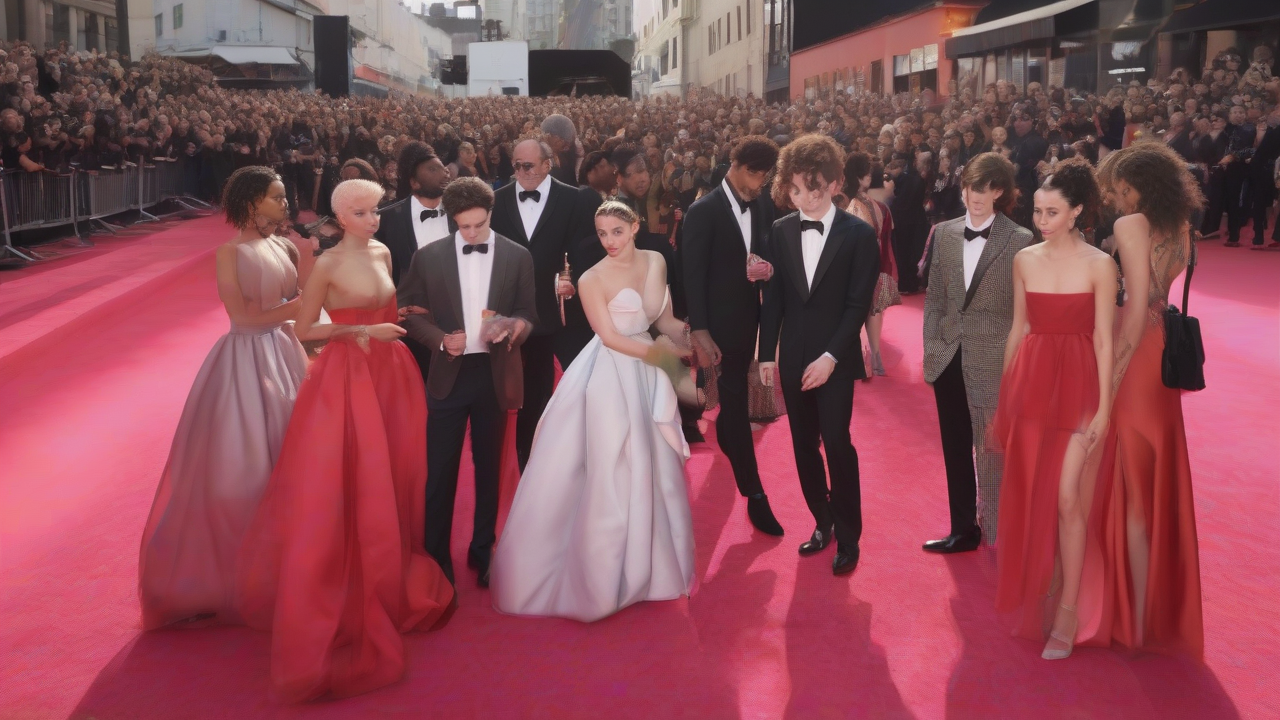
A Reversal of Opinion: Doja Cat Backtracks on Timothée Chalamet Criticism
In a surprising turn of events, singer Doja Cat has retracted her criticism of actor Timothée Chalamet, admitting that her initial outrage was a form of “virtue signaling” aimed at garnering attention on social media. According to a report by Variety, Doja Cat confessed that she has never attended a ballet or opera performance, which was the subject of Chalamet’s original comments. This reversal has sparked a new wave of discussion about the intersection of art, culture, and social media.
The Original Controversy
The controversy began when Timothée Chalamet made comments about the importance of ballet and opera in the world of acting, as reported by The New York Times. His remarks were met with criticism from some, including Doja Cat, who took to social media to express her disapproval. However, in a recent statement, Doja Cat acknowledged that her response was motivated by a desire for likes, clicks, and approval, rather than a genuine concern for the issue at hand. This admission has led observers to note that the incident highlights the complexities of online discourse and the ways in which social media can influence public opinion.
A Broader Conversation
Analysts point out that this incident is part of a larger conversation about the role of art and culture in society. As reported by CBS News, ballet dancer Misty Copeland defended Chalamet’s comments, stating that he “wouldn’t be an actor” without the influence of ballet and opera. This perspective underscores the significance of these art forms in shaping the creative talents of performers like Chalamet. Meanwhile, the backlash against Chalamet’s comments, including a scathing critique from actor Nathan Lane on “The View,” as reported by Yahoo, demonstrates the intense passion and opinion that these issues can evoke.
Impact and Implications
The stakes in this controversy are not just about individual opinions, but also about the broader cultural landscape. As CNN noted, this year’s award season has been marked by intense drama and controversy, with the debate over Chalamet’s comments being just one example. The fact that Doja Cat’s initial criticism was motivated by a desire for social media attention, rather than a genuine engagement with the issue, signals a larger problem with the way we consume and interact with information online. Experts note that this phenomenon can have serious implications for the way we discuss and understand important cultural issues.
What’s Next
As the conversation around Timothée Chalamet’s comments continues to unfold, observers will be watching to see how the incident affects the broader cultural discourse. With the award season still underway, it remains to be seen whether this controversy will have a lasting impact on the way we think about art, culture, and social media. According to sources, the incident has already sparked a new wave of discussion about the importance of critical thinking and nuance in online discourse. As the situation develops, it will be important to consider the ways in which social media can both facilitate and distort public conversation.

Reader Comments