
Tensions Rise in Labor Dispute as Writers Guild Staffers Take to the Streets
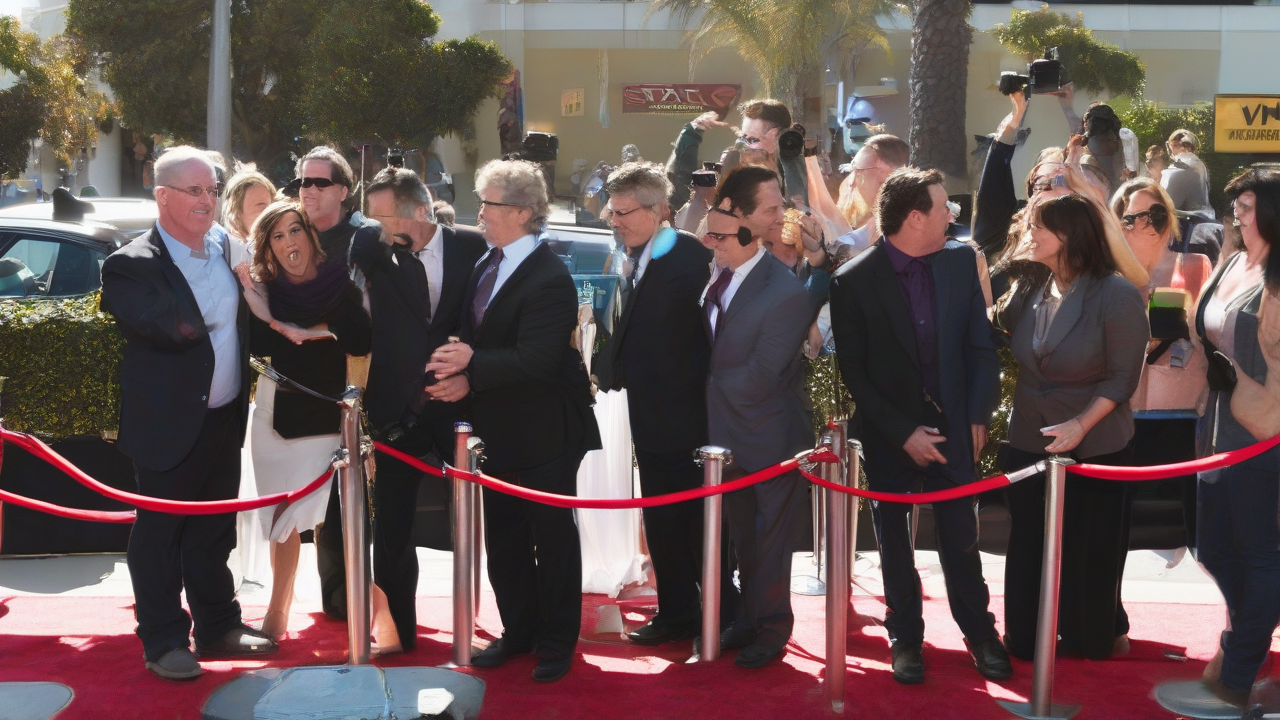
In a significant escalation of the ongoing labor dispute, staffers from the Writers Guild of America (WGA) have taken their grievances to the doorstep of the Screen Actors Guild-American Federation of Television and Radio Artists (SAG-AFTRA) building, where crucial negotiations between the WGA and major studios are underway. According to reports from the Hollywood Reporter, the Writers Guild Staff Union, which represents the interests of WGA employees, organized a picket outside the SAG-AFTRA building, with members carrying signs that read “WGAMPTP,” a slogan that reflects their demands for better working conditions and greater support from union management.
A Fresh Wave of Labor Activism
Observers point out that this move signals a fresh wave of labor activism within the entertainment industry, as workers increasingly demand fair compensation, improved benefits, and a stronger voice in decision-making processes. Analysts note that the WGA has been at the forefront of labor disputes in recent years, with the union pushing for better residuals, increased diversity and inclusion, and stronger protections for writers in the face of industry changes. The current strike by Writers Guild Staff Union members highlights the complexities of labor relations within the industry, where unions not only negotiate with studios but also face internal challenges from their own staff.
Broader Implications for the Entertainment Industry
The move by the Writers Guild Staff Union to picket outside the SAG-AFTRA building during negotiations underscores the broader implications of labor disputes for the entertainment industry. As reported by the Hollywood Reporter, the timing of the picket coincides with critical negotiations between the WGA and major studios, potentially affecting the outcome of these talks. Experts suggest that the strike could have far-reaching consequences, impacting not only the writers and staff involved but also the production schedules and bottom lines of studios. The entertainment industry, known for its creativity and innovation, is also characterized by complex labor dynamics, with various unions and guilds playing crucial roles in shaping the working conditions and career trajectories of professionals in the field.
Impact on Industry Stakeholders
The stakes are high for all stakeholders involved, including writers, studios, and the broader audience that consumes the content produced by the entertainment industry. Sources indicate that the ongoing labor dispute could lead to delays in production, potentially affecting the release schedules of highly anticipated films and television shows. Furthermore, the outcome of these negotiations could set a precedent for future labor disputes within the industry, influencing the balance of power between unions, studios, and talent. As the situation unfolds, observers are watching closely to see how the WGA, studios, and other industry players respond to the demands of the Writers Guild Staff Union.
What to Watch Next
As negotiations between the WGA and studios continue, all eyes are on the potential outcomes and how they might address the grievances of the Writers Guild Staff Union. According to the Hollywood Reporter, the next few weeks will be critical in determining the trajectory of the labor dispute. Analysts predict that any significant developments in the negotiations could have a ripple effect throughout the industry, potentially inspiring similar actions from other unions and guilds. With the entertainment industry poised on the brink of significant change, the resolution of this labor dispute will be closely watched by industry insiders and fans alike, as it holds implications for the future of content creation and labor relations in Hollywood.


Reader Comments