
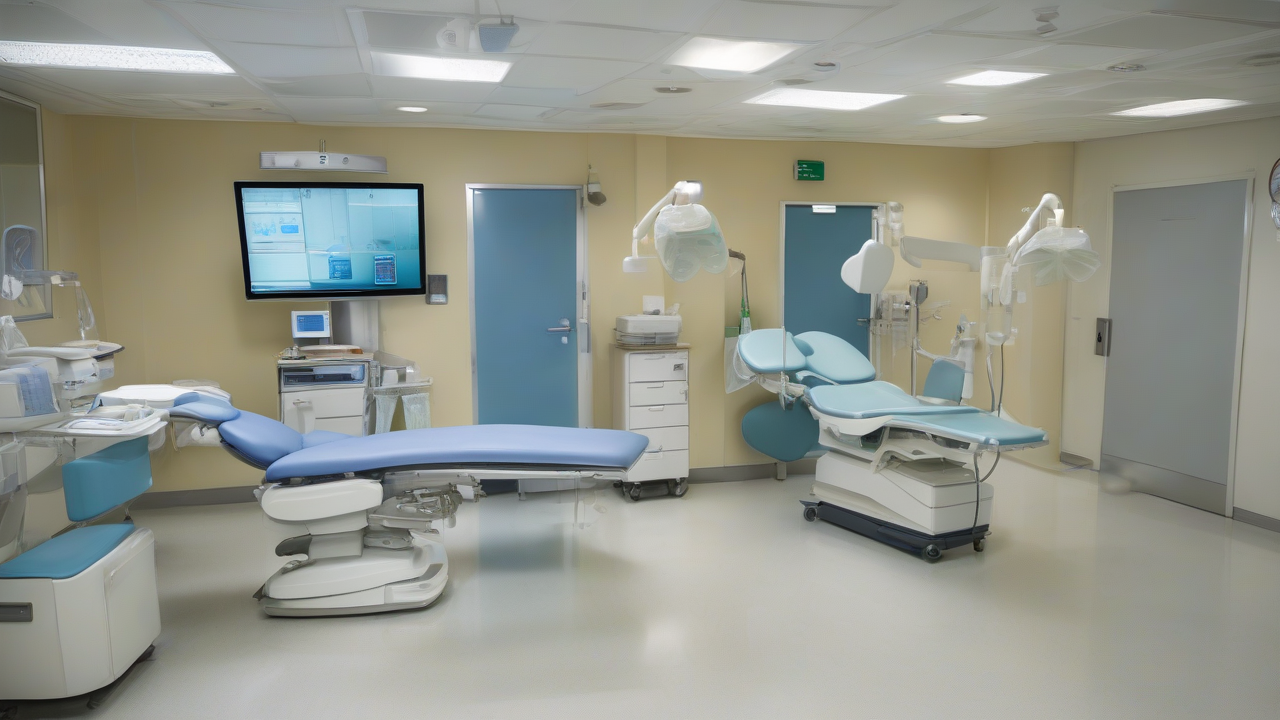
NHS Dentistry Funding Returns Spark Concerns
A significant portion of NHS funding allocated to dentists is being returned, with approximately £900 million being reclaimed due to a lack of NHS patient appointments. According to BBC Health, this substantial sum represents about one-seventh of the total funding provided to dentists by the NHS. The reason behind this trend is largely attributed to dentists opting to focus on private work, which is perceived as more lucrative.
Shift Towards Private Dentistry
Analysts note that the shift towards private dentistry is not a new phenomenon, but the scale at which NHS funds are being returned is alarming. Observers point out that this trend signals a deeper issue within the NHS dentistry system, where the incentive structure may be favoring private over public healthcare. As reported by BBC Health, the £900 million returned by dentists underscores the challenges faced by the NHS in ensuring equitable access to dental care for all patients.
Implications for NHS Patients
The move by dentists to prioritize private work over NHS appointments has significant implications for patients relying on public healthcare. Experts indicate that this trend may exacerbate existing inequalities in access to dental care, particularly for vulnerable populations. The NHS’s ability to provide comprehensive dental services is compromised when a substantial portion of its allocated funds is returned due to underutilization. This raises concerns about the long-term sustainability of the NHS dentistry system and its capacity to meet the needs of its patients.
Context and History
The NHS has historically struggled with the balance between public and private healthcare provision. The current situation with dentists returning funding due to a lack of NHS patient appointments is a symptom of a broader issue. The NHS’s funding model and the incentives it offers to healthcare providers play a crucial role in shaping their priorities. Sources indicate that the NHS is exploring ways to reform its funding structures to better align with the needs of its patients and to incentivize providers to deliver more public healthcare services.
Impact Analysis
The impact of dentists returning £900 million in NHS funding is multifaceted. Patients who rely on the NHS for dental care may face longer waiting times or reduced access to services. Furthermore, the financial implications for the NHS are significant, as the returned funds could have been utilized to improve dental care services or expand access to more patients. Analysts suggest that the NHS needs to reassess its funding allocation and incentive structures to ensure that they are aligned with the goal of providing universal access to quality healthcare.
Forward-Looking Developments
As the NHS navigates this challenge, observers are watching for potential reforms or policy changes that could address the imbalance between public and private dentistry. Upcoming decisions on NHS funding and the development of new incentive structures for healthcare providers will be crucial in determining the future of dental care within the NHS. According to sources, the NHS is expected to announce new initiatives aimed at improving access to dental care and reducing the appeal of private work for dentists. These developments will be closely monitored to assess their impact on the NHS and its patients.


Reader Comments