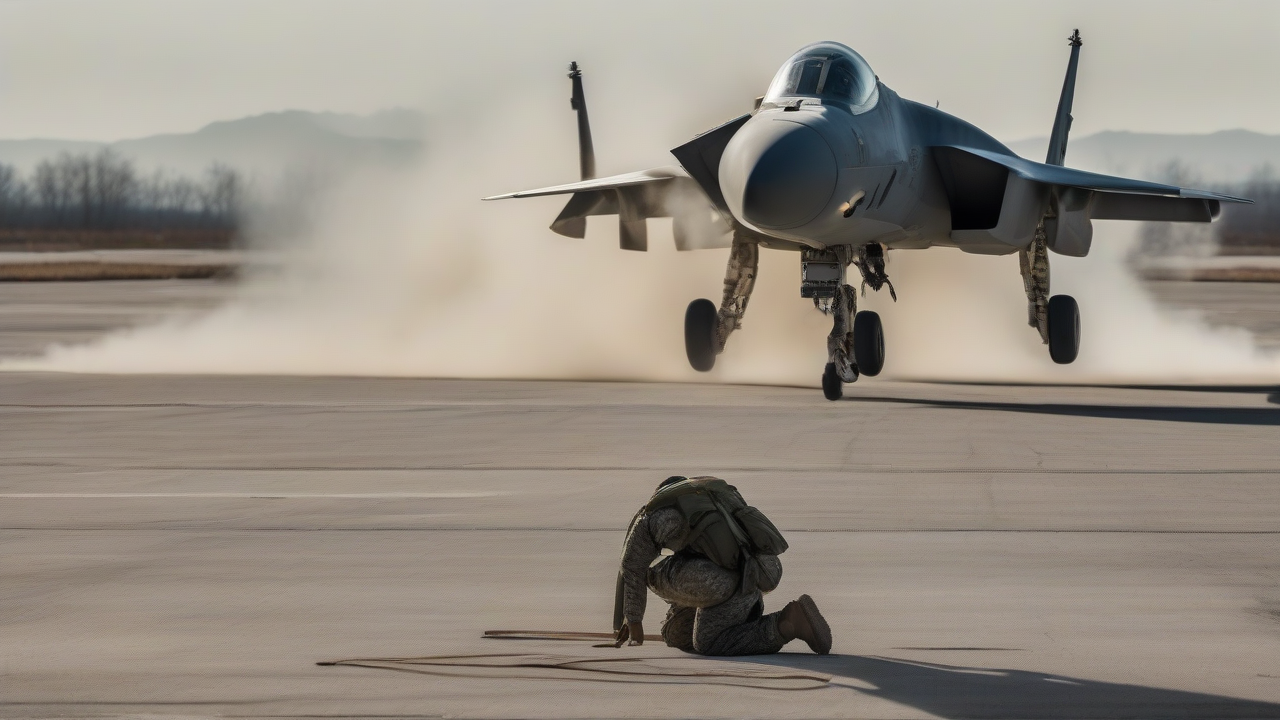
A Looming Crisis in the Skies
The stark reality is that our Air Force is on the brink of collapse, and it’s a miracle it’s still managing to keep our skies safe. According to a recent opinion piece in the Washington Post, chronic underinvestment has left the Air Force in a precarious state, with a shortage of aircraft, munitions, and crews. This is not just a matter of numbers; it’s a ticking time bomb that threatens our national security. As we ponder the implications of this crisis, we must ask ourselves: what happens when our Air Force can no longer defend our interests?
The Alarming State of Affairs
The facts are alarming. The Air Force is struggling to maintain its fleet, with many aircraft in desperate need of repair or replacement. The shortage of munitions is equally concerning, with the Air Force lacking the necessary firepower to respond to emerging threats. But perhaps most worrying is the shortage of crews, with many pilots and technicians leaving the service due to poor working conditions and lack of resources. As the Washington Post opinion piece highlights, this is a result of years of underinvestment, which has left the Air Force ill-equipped to face the challenges of the 21st century.
A Call to Action
Some may argue that the Air Force is still managing to get by, and that these shortages are not as critical as they seem. But this is a false sense of security. The truth is that our Air Force is being stretched to the breaking point, and it’s only a matter of time before disaster strikes. We cannot afford to wait until it’s too late. We need to take immediate action to revamp our Air Force, investing in new aircraft, munitions, and crew training. This will require a significant increase in funding, but it’s a price we must pay to ensure our national security.
The Consequences of Inaction
So what happens if we fail to act? The consequences are dire. A weakened Air Force would leave us vulnerable to attack, and our ability to respond to emerging threats would be severely compromised. We would be putting our pilots and technicians in harm’s way, asking them to fly outdated aircraft and use inadequate munitions. The risk of accidents and casualties would increase exponentially, and the very existence of our Air Force would be at risk. Can we really afford to take that chance?
A Path Forward
In conclusion, the crisis facing our Air Force is real, and it demands immediate attention. We need to revamp our Air Force, and we need to do it now. This will require a concerted effort from lawmakers, military leaders, and the public. We must be willing to invest in our national security, even if it means making tough choices and allocating significant resources. The alternative is too terrible to contemplate. As we look to the future, we must ask ourselves: what kind of Air Force do we want to have? One that is strong, capable, and ready to defend our interests, or one that is weak, outdated, and struggling to survive? The choice is ours, and the time to act is now.
Reader Comments