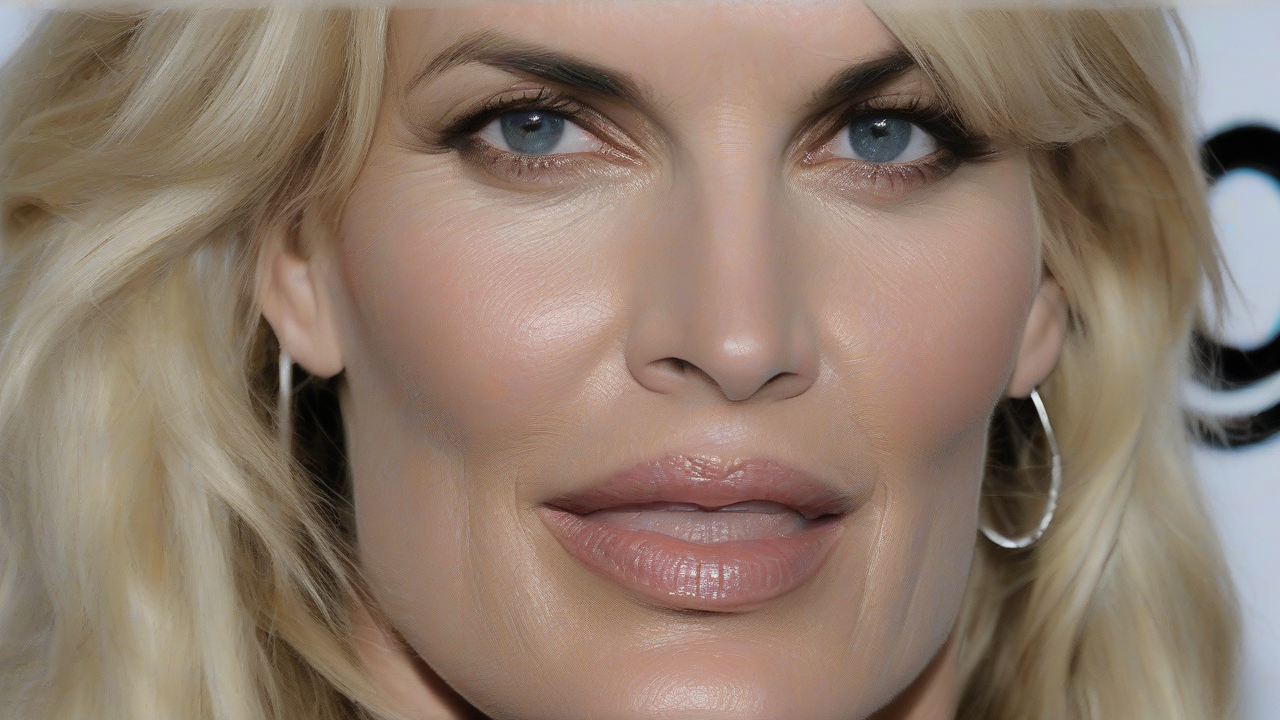
A Rebuttal to Sanctimony: Daryl Hannah’s Misguided Outrage
In a recent guest essay published in the NYT Opinion, Daryl Hannah expressed her discontent with a TV series’ portrayal of her, sparking a heated debate among readers. As I delve into the heart of this controversy, I am compelled to ask: what is the true motive behind Hannah’s objections? Is it a genuine concern for accuracy, or a thinly veiled attempt to control the narrative and shield herself from scrutiny?
Unpacking the Argument
According to the essay, Hannah takes issue with the TV series’ depiction of her, citing inaccuracies and a lack of representation. While I understand the importance of authentic storytelling, I firmly believe that Hannah’s objections are misplaced. The TV series, as a work of fiction, is entitled to creative liberties, and Hannah’s demands for precision seem unreasonable. As reported by the NYT Opinion, readers have responded with a mix of empathy and skepticism, highlighting the complexity of this issue.
A Counterpoint
Some may argue that Hannah’s objections are valid, given the potential harm that inaccurate portrayals can cause. However, I would counter that this line of reasoning is overly simplistic and neglects the nuances of artistic expression. The TV series is not a documentary, and its purpose is not to provide a factual account of Hannah’s life. Rather, it is a dramatization, meant to entertain and engage audiences. By acknowledging the creative liberties taken by the show’s writers, we can better understand the context of Hannah’s portrayal.
The Bigger Picture
As we consider Hannah’s objections, we must also examine the broader implications of her actions. Is this a case of celebrity entitlement, where the famous believe they have the right to dictate how they are portrayed in the media? Or is it a genuine attempt to spark a conversation about representation and accuracy? I would argue that it is the former, and that Hannah’s actions set a troubling precedent for future interactions between celebrities and the media. As the NYT Opinion piece highlights, readers are divided on this issue, with some expressing support for Hannah’s stance and others criticizing her for being overly sensitive.
A Call to Action
In conclusion, I urge readers to approach this controversy with a critical eye, recognizing the complexities and nuances at play. Rather than blindly accepting Hannah’s objections, we should engage in a thoughtful discussion about the role of artistic expression and the limits of celebrity influence. As we move forward, let us prioritize open dialogue and creative freedom, rather than succumbing to the whims of those who would seek to control the narrative. By doing so, we can foster a more vibrant and inclusive cultural landscape, where diverse voices and perspectives are valued and respected. The question remains: will we allow celebrities like Daryl Hannah to dictate the terms of their portrayal, or will we stand up for the principles of artistic expression and freedom of speech? Only time will tell.


Reader Comments