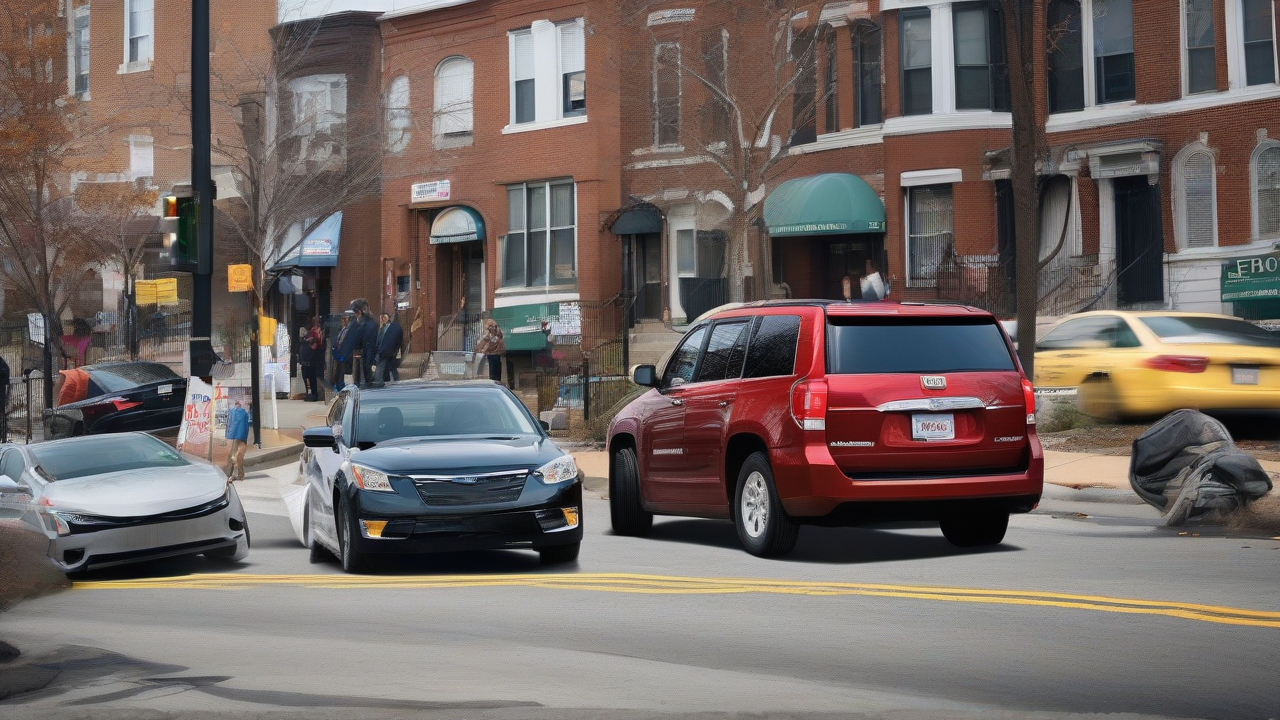
A Misguided War on Cars
The recent stance taken by mayoral candidates in Washington D.C. is a stark reminder of the misguided priorities that often plague urban planning. By declaring war on cars and pushing for congestion pricing, these candidates are essentially treating drivers as enemies, rather than constituents who deserve consideration. According to a recent opinion piece in the WashPost Opinions, this approach would have devastating consequences for downtown D.C., crippling the very heart of the city.
The Unintended Consequences
Proponents of congestion pricing argue that it will reduce traffic and encourage the use of public transportation. However, this simplistic view ignores the complex realities of urban life. As the WashPost Opinions piece points out, congestion pricing would disproportionately affect low-income residents who rely on their cars to get to work, visit family, or access essential services. What about those who live in areas with limited public transportation options? Are they expected to simply abandon their cars and adapt to a system that is not designed to meet their needs? The answer, unfortunately, seems to be yes.
A War on the Wrong Enemy
Some may argue that congestion pricing is a necessary evil, a means to an end that will ultimately benefit the city as a whole. But is this really the case? By targeting drivers, are we not missing the root causes of congestion and pollution? Should we not be investing in more efficient public transportation systems, rather than simply pricing people out of their cars? The mayoral candidates’ approach raises more questions than answers. What about the impact on local businesses, which rely on customers who can easily access their stores and restaurants? What about the effect on emergency services, which may be delayed or hindered by the very congestion pricing schemes designed to reduce traffic?
A Better Way Forward
In our opinion, the mayoral candidates’ war on cars is a misguided and counterproductive approach. Rather than declaring war on a particular mode of transportation, we should be working towards a more holistic and inclusive urban planning strategy. This could involve investing in efficient public transportation, promoting alternative modes of transportation, and encouraging sustainable land use practices. By taking a more nuanced and balanced approach, we can create a city that is livable, sustainable, and accessible to all. As we move forward, we must ask ourselves: what kind of city do we want to build? One that prioritizes the needs of all its citizens, or one that declares war on a particular group of people? The choice is ours, and it is time to make our voices heard.


Reader Comments