A Taste of Home in a Foreign Land
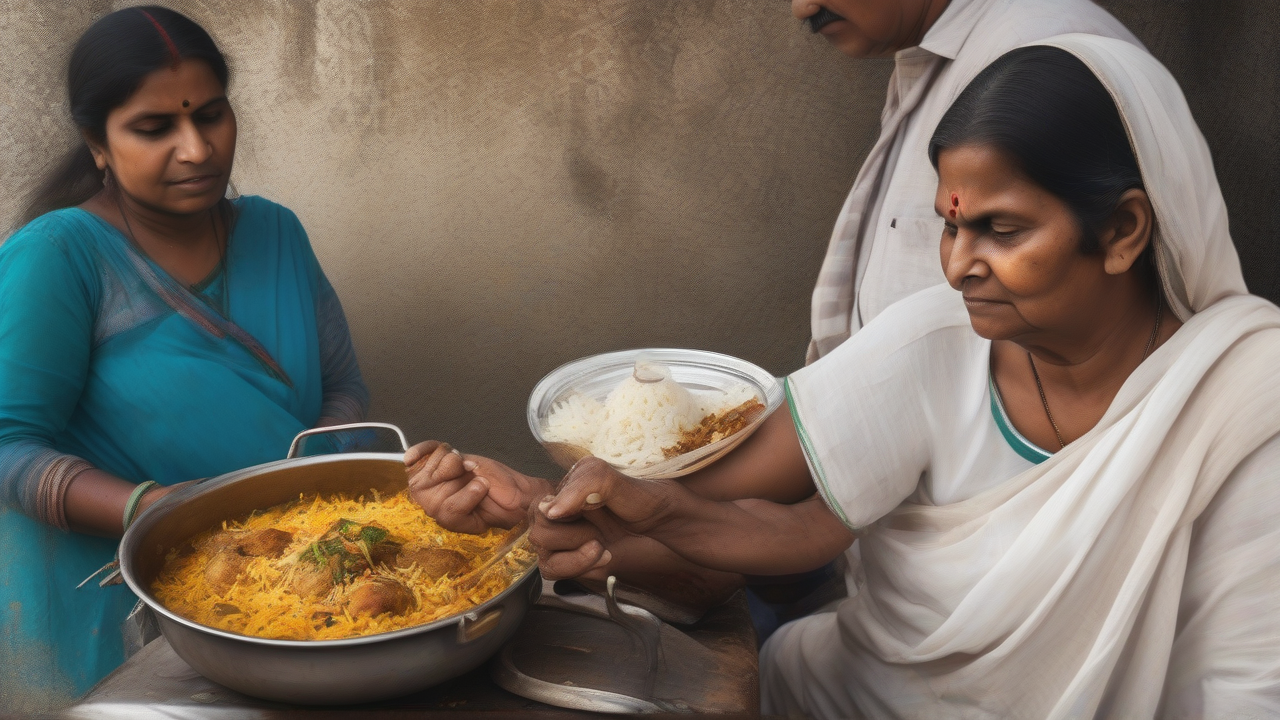
The birth of a grandchild is a momentous occasion, one that calls for celebration and tradition. For many South Asian families, the arrival of a new baby is marked with the preparation of a special dish - chicken biryani. As reported by the BBC Magazine, one grandmother’s decision to cook this iconic meal when her grandson was born is a testament to the power of food in bridging cultural divides and providing comfort in unfamiliar surroundings.
According to the BBC Magazine article, published on April 9, 2022, the first South Asians who moved to Britain faced numerous challenges as they adapted to their new life in a foreign land. The article highlights the ways in which these pioneers coped with the distance from their homeland, and how they maintained their cultural heritage in the face of adversity. For many, cooking traditional meals like chicken biryani was a way to reconnect with their roots and find solace in the familiar flavors and aromas of home.
The Significance of Food in Preserving Cultural Identity
As the article notes, the act of cooking and sharing meals is deeply ingrained in South Asian culture. It is a way to show love, respect, and hospitality, and is often at the center of family gatherings and celebrations. By cooking chicken biryani for her grandson’s birth, the grandmother in question was not only honoring a time-honored tradition but also passing down a piece of her cultural heritage to the next generation. But what does this say about the importance of preserving cultural identity in the face of migration and assimilation? Can we truly expect to hold on to our cultural roots when we are thousands of miles away from the place we call home?
Some might argue that the emphasis on traditional food and cultural practices is a hindrance to integration, that it prevents immigrants from fully embracing their new surroundings and adopting the customs of their host country. But is this really the case? Or does the preservation of cultural identity actually facilitate a sense of belonging and community, allowing immigrants to navigate their new environment with greater ease and confidence? As the BBC Magazine article so eloquently illustrates, the answer lies in the stories of those who have come before us, who have struggled to balance their cultural heritage with the demands of their new life.
A Call to Action
As we reflect on the experiences of the first South Asians who moved to Britain, we are reminded of the importance of preserving our cultural heritage, even in the face of adversity. By embracing our traditions and passing them down to future generations, we can create a sense of continuity and connection to our roots, no matter where we are in the world. So, the next time you sit down to a meal with your loved ones, take a moment to appreciate the cultural significance of the food on your plate. Ask yourself, what traditions am I preserving, and what heritage am I passing down to my children and grandchildren? The answer, much like the flavors of a well-cooked chicken biryani, may just surprise you. In the end, it is up to us to ensure that our cultural identity is not lost in the melting pot of modern society, but rather cherished and celebrated for generations to come.



Reader Comments