The Minimum Wage Conundrum: A Threat to Human Labor
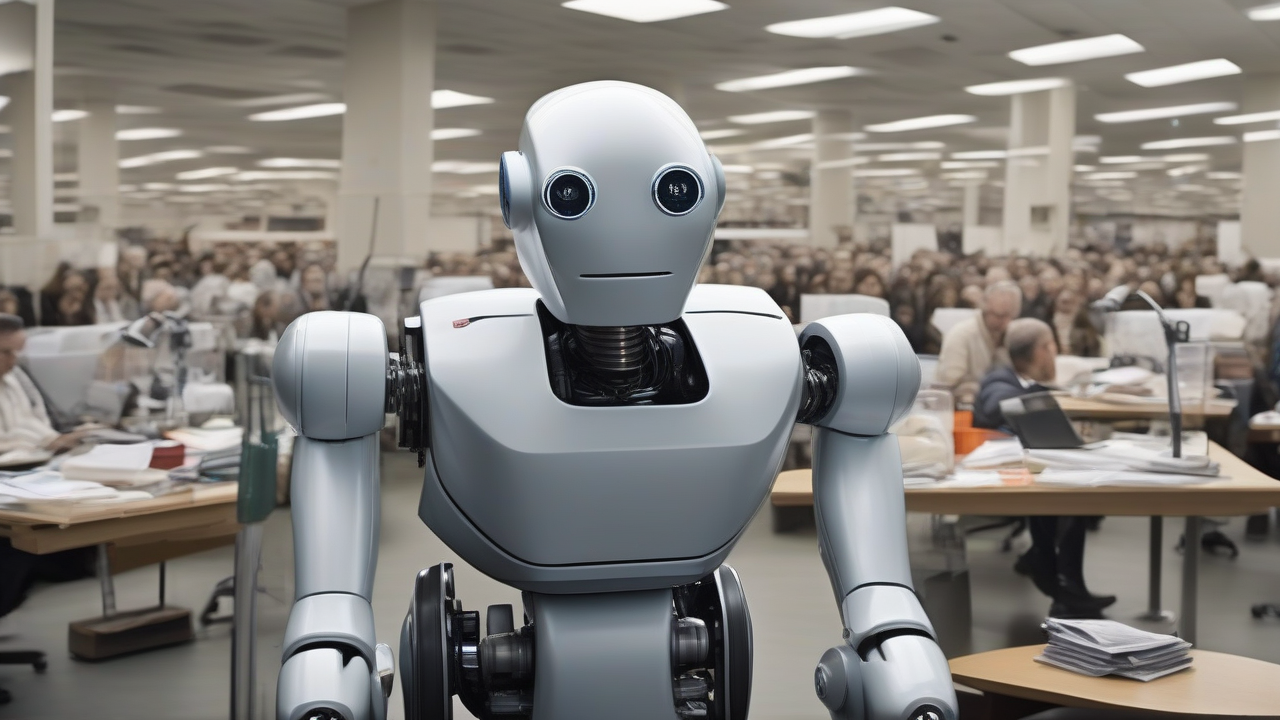
As the debate over hiking the minimum wage continues to simmer in the nation’s capital, a stark reality emerges: prioritizing higher wages may inadvertently prioritize robots over people. This assertion may seem counterintuitive, but a closer examination of the issue, as highlighted in a recent WashPost Opinions piece, reveals a troubling trend. The article suggests that the third attempt to increase the minimum wage in D.C. will not yield the desired results, and for good reason.
The Unintended Consequences of a Higher Minimum Wage
Proponents of a higher minimum wage argue that it will lift low-income workers out of poverty and provide them with a decent standard of living. However, this perspective overlooks the potential consequences of such a policy. As the cost of labor increases, businesses may be forced to adapt by investing in automation and robotics, thereby reducing their reliance on human workers. This is not merely speculative; numerous studies have shown that companies are more likely to adopt automated solutions when labor costs rise. Can we truly afford to accelerate this trend, potentially displacing thousands of workers in the process?
A Rebuttal to Counterarguments
Some may argue that a higher minimum wage will actually create jobs, as low-income workers will have more disposable income to spend, thereby boosting economic growth. While this argument has some merit, it neglects the fact that many businesses, particularly small and medium-sized enterprises, operate on razor-thin margins. For these companies, a significant increase in labor costs could be catastrophic, leading to layoffs, bankruptcies, or worse. What happens to the workers who are displaced by automation, only to find that their skills are no longer in demand?
The Human Cost of Progress
As we hurtle towards a future where automation and robotics play an increasingly prominent role, we must ask ourselves: what is the true cost of progress? Is it merely a matter of embracing innovation, regardless of the human toll? Or do we have a responsibility to ensure that the benefits of technological advancements are shared equitably among all members of society? The answer to this question will depend on our values and priorities. Will we choose to prioritize the interests of corporations and their robotic workforces, or will we fight to preserve the dignity and livelihoods of human workers?
A Call to Action
In conclusion, the debate over the minimum wage is not simply a matter of economics; it is a question of values. As we consider the potential consequences of hiking the minimum wage, we must also think about the kind of society we want to build. Do we want to create a world where robots and automation are the primary drivers of economic growth, or do we want to prioritize human labor and dignity? The choice is ours, and it is a decision that will have far-reaching implications for generations to come. As the nation’s capital prepares to vote on the minimum wage for the third time, we must ask ourselves: what kind of future do we want to create, and who will be left behind in the process?
Reader Comments