A New Path Forward for Iran
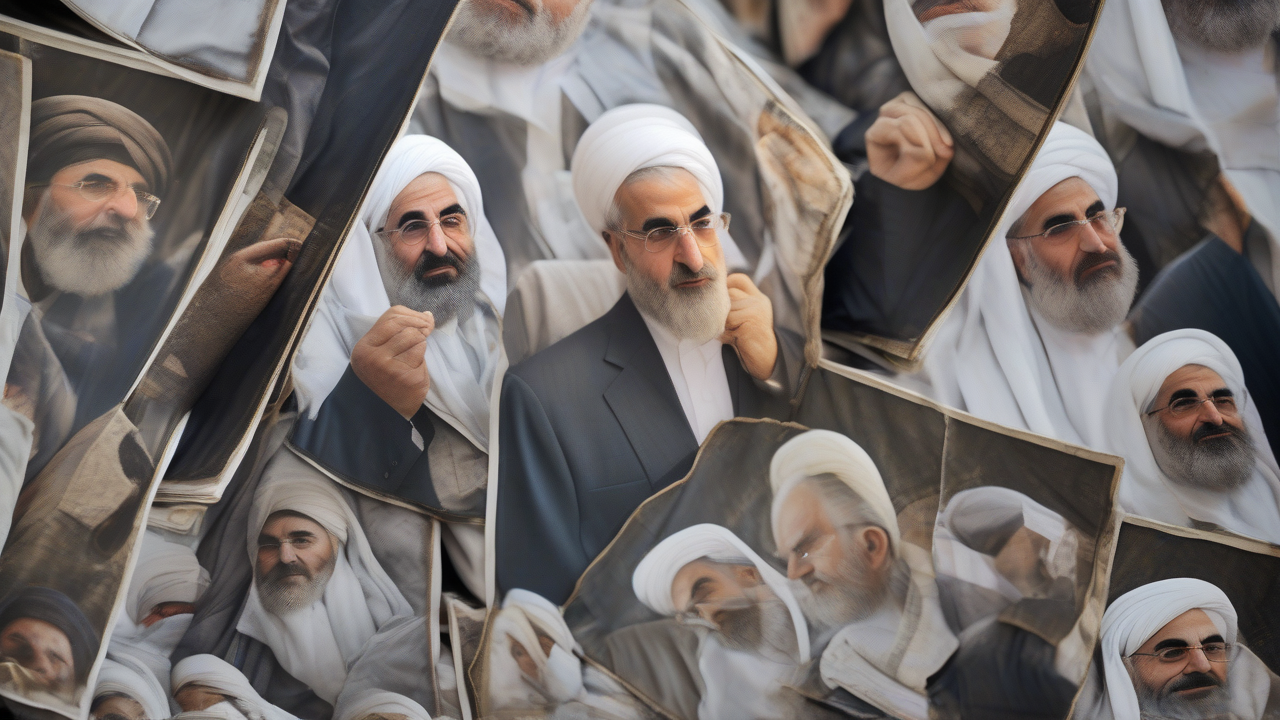
The question of what constitutes victory in Iran has sparked intense debate, with some arguing that the goal should be to simply disarm the regime, while others believe that toppling it altogether is the only way to bring about true change. In a recent opinion piece published in the WashPost Opinions, a third definition of victory is proposed: handing the country back to its people. As we consider the best course of action, it’s essential to examine the potential outcomes of each approach and determine which one is most likely to lead to a brighter future for the Iranian people.
The Case for a Patient Approach
According to the WashPost Opinions piece, a patient approach, as exemplified by the Trump administration, could be the key to disarming the regime and ultimately toppling it. This strategy involves applying targeted pressure and waiting for the regime to collapse under its own weight. While some may argue that this approach is too passive, it’s essential to consider the potential consequences of more aggressive action. By taking a patient approach, the international community can avoid sparking a wider conflict and give the Iranian people the space they need to bring about change from within.
Addressing Counterarguments
Some may argue that a patient approach is too slow and that more drastic action is needed to bring about change in Iran. However, it’s crucial to remember that the Iranian regime is notoriously resilient, and any attempt to topple it through force is likely to result in significant bloodshed and instability. Moreover, as the WashPost Opinions piece suggests, handing the country back to its people is the ultimate goal, and this can only be achieved through a peaceful and sustainable transition. But what does this really mean? Is it a genuine attempt to empower the Iranian people, or is it just a euphemism for regime change?
The Importance of Empowering the Iranian People
As we consider the best way forward for Iran, it’s essential to ask ourselves: what do the Iranian people really want? Do they desire a violent overthrow of the regime, or do they hope for a more peaceful transition to democracy? The answer to this question is crucial, as it will determine the trajectory of any future intervention. By prioritizing the needs and desires of the Iranian people, we can ensure that any attempt to bring about change is legitimate and sustainable. But how can we be sure that we’re really hearing the voices of the Iranian people, and not just those of a select few?
A Call to Action
In conclusion, the path forward for Iran is complex and multifaceted. While there are no easy answers, it’s clear that a patient approach, combined with a commitment to empowering the Iranian people, is the most likely to lead to a positive outcome. As the international community considers its next move, it’s essential to prioritize diplomacy and dialogue, rather than resorting to aggression and violence. By doing so, we can help create a brighter future for the Iranian people and bring about a more peaceful and stable region. The question is, will we take the necessary steps to make this vision a reality, or will we continue down a path of conflict and instability? The choice is ours, and the consequences of our actions will be felt for generations to come.
Reader Comments