A Crisis in the Making
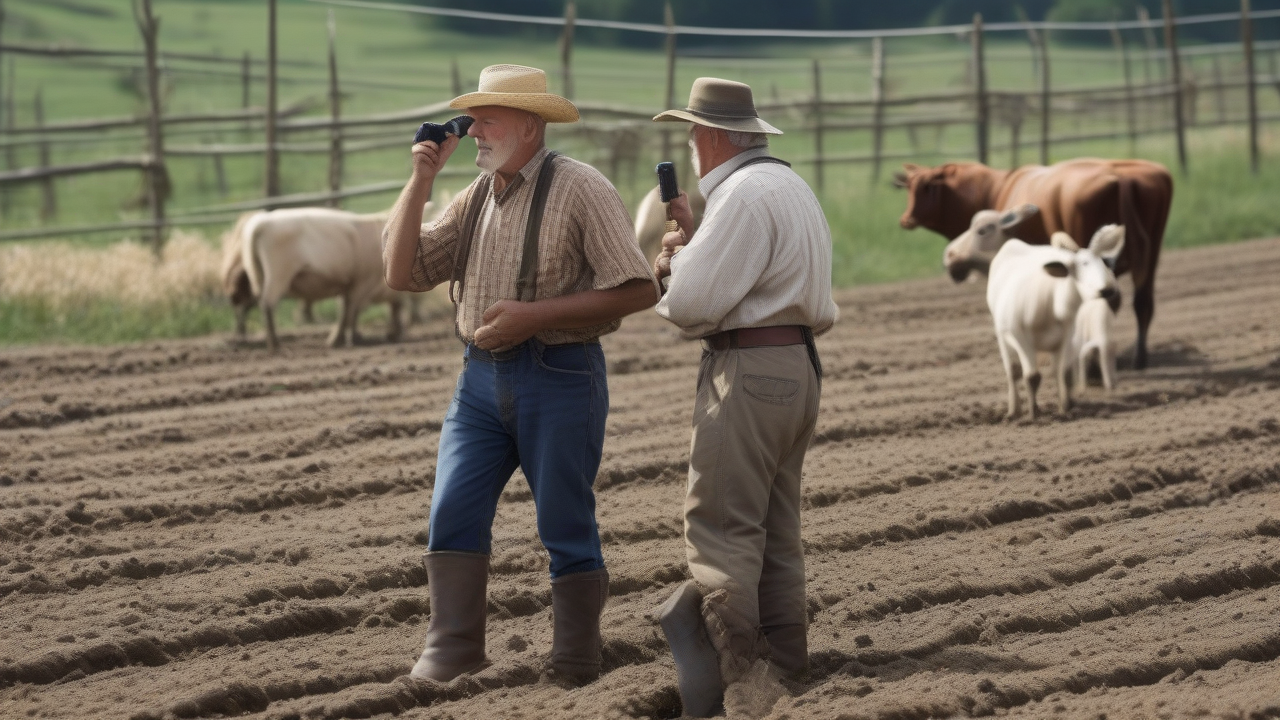
The future of farming is at a crossroads, and the outcome is far from certain. As reported in a recent NYT Opinion piece, “Many young people want to farm. They just can’t afford it.” This stark reality should serve as a wake-up call for policymakers and industry leaders alike. The fact that a new generation of farmers is being priced out of the very profession they are passionate about is a crisis that demands attention and action.
The Economics of Farming
According to the opinion piece published on March 12, 2026, in the NYT, the cost of entering the farming industry is prohibitively expensive for many young people. The high cost of land, equipment, and other necessary resources makes it difficult for newcomers to break into the market. This is a classic case of economics 101: when the barriers to entry are too high, the market suffers. In this case, the market is not just any market, but the one that puts food on our tables. Can we really afford to have a system where only the wealthy can farm? What does this say about our values as a society?
Counterarguments and Concerns
Some might argue that the market will correct itself, that as older farmers retire, their land and assets will become available to younger generations. But this ignores the fact that many of these assets are being snapped up by large corporations and investment firms, further consolidating the industry and making it even harder for small-scale farmers to compete. Others might suggest that young people simply need to be more entrepreneurial, to find ways to make farming work despite the challenges. But this places the burden squarely on the shoulders of individuals, rather than acknowledging the systemic issues at play.
A Call to Action
So what can be done? Firstly, policymakers must take a hard look at the economic incentives that are currently in place. Are we doing enough to support new farmers, to help them access the resources they need to get started? The answer, clearly, is no. We need to be providing more subsidies, more grants, and more low-interest loans to young farmers. We need to be making it easier, not harder, for them to enter the industry. Secondly, we need to be thinking creatively about how to make farming more affordable. This might involve initiatives like community land trusts, where land is held in trust for the benefit of the community, rather than being sold off to the highest bidder.
The Future of Food
As we look to the future, one thing is clear: the current system is unsustainable. If we do not find a way to make farming more accessible to young people, we risk losing an entire generation of farmers. What does this mean for the future of our food system? Will we be reliant on industrial-scale farming, with all its attendant environmental and health costs? The thought is unsettling, to say the least. In conclusion, the fact that many young people want to farm but cannot afford to is a crisis that demands attention and action. We must work to create a more sustainable, more equitable food system, one that allows new farmers to thrive. The future of our plates, and our planet, depends on it.


Reader Comments