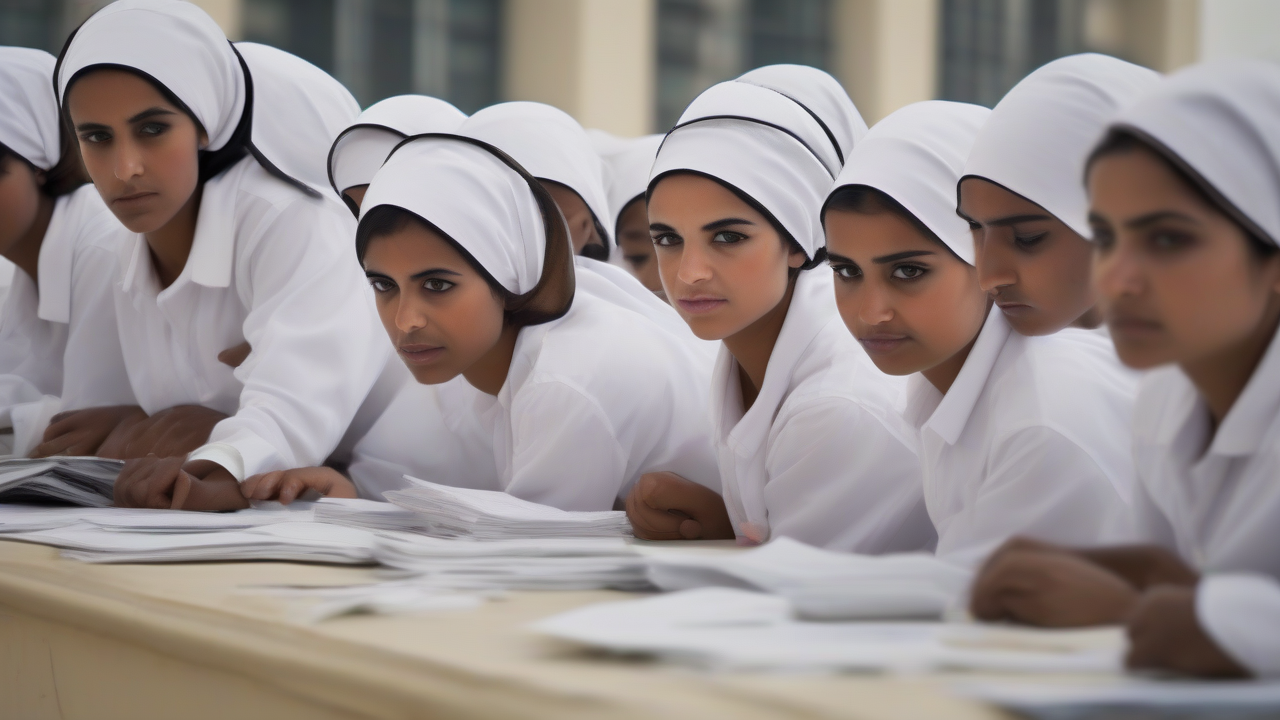
A Life of Endless Toil: The Plight of Maids in Qatar
The notion that a person can be bound to their workplace without a single day of rest is a stark reminder of the darker aspects of human nature. As reported by BBC Magazine, maids in Qatar are often subjected to this very reality, working long hours without a day off, despite recent changes to employment law. This is a stark indictment of a system that prioritizes economic growth over human dignity.
According to the article, maids in Qatar are frequently expected to work around the clock, with no respite or reprieve. This is a clear violation of their basic human rights, and a stark reminder of the power imbalance that exists between employers and employees in this sector. The fact that these workers are often migrant women, who have left their homes and families to seek a better life, makes their exploitation all the more egregious. As noted in the BBC Magazine piece, published on December 9, 2022, the changes to employment law have done little to alleviate the suffering of these workers.
But what is perhaps most disturbing is the lack of regard for the well-being of these workers. Do we really believe that a person can function optimally without a single day of rest? What are the long-term consequences of such a regimen on a person’s physical and mental health? The answer, of course, is that we do not know, because we do not care. We are too busy reaping the benefits of cheap labor to concern ourselves with the human cost.
Some may argue that the changes to employment law are a step in the right direction, and that they will eventually lead to improved working conditions for maids in Qatar. But this is a weak argument, one that ignores the stark reality on the ground. The fact remains that these workers are still being exploited, still being denied their basic human rights. As the BBC Magazine article highlights, the problem persists, and it is our responsibility to acknowledge it.
So what can be done to address this issue? Firstly, we must acknowledge the problem and take concrete steps to address it. This means enforcing existing laws and regulations, and holding employers accountable for their treatment of workers. It also means providing support and protection to workers who are being exploited, and ensuring that they have access to fair wages, safe working conditions, and adequate rest. As we consider the plight of maids in Qatar, we must ask ourselves: what kind of society are we building, when we prioritize economic growth over human dignity?
In conclusion, the treatment of maids in Qatar is a stain on our collective conscience. It is a reminder that, despite our advances in technology and economic development, we still have a long way to go in terms of recognizing the inherent dignity and worth of every human being. As we move forward, we must prioritize the well-being and safety of these workers, and take concrete steps to address the exploitation and abuse that they suffer. Only then can we truly say that we are building a just and equitable society. The question is, will we take action, or will we continue to turn a blind eye to the suffering of these workers? The answer, much like the fate of these maids, remains to be seen.

Reader Comments