A Reckoning for the Republican Party
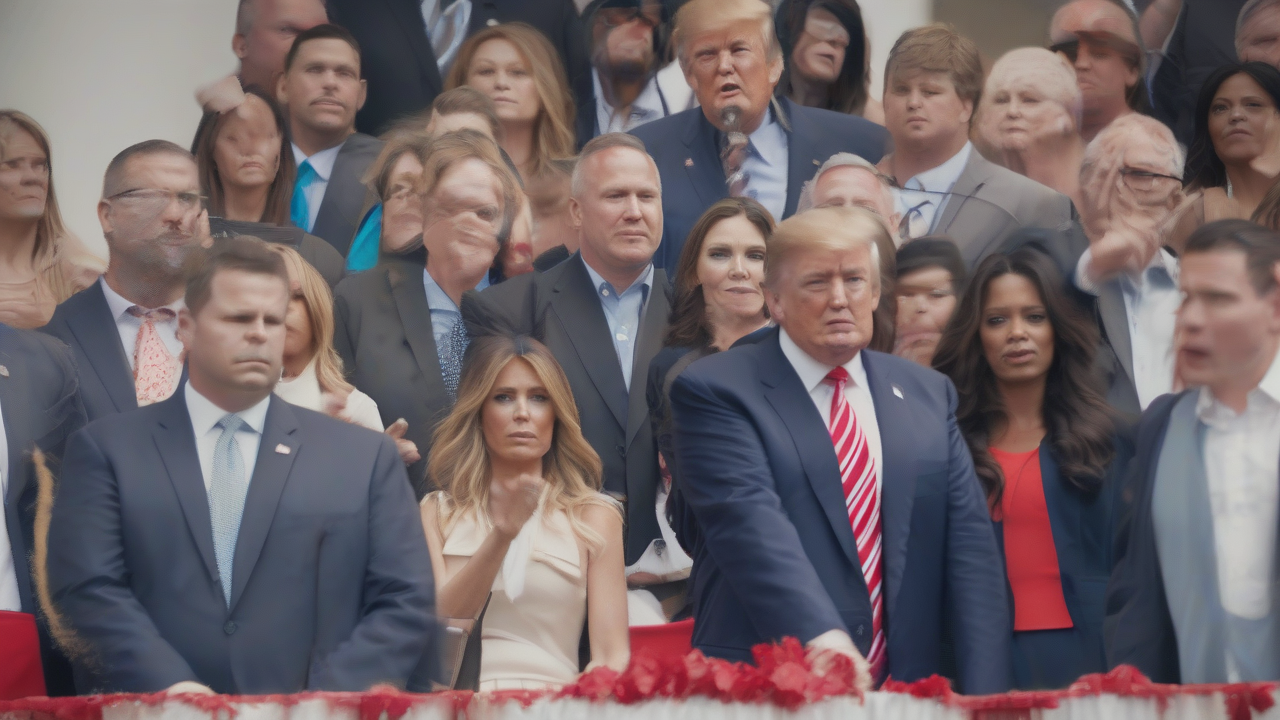
The writing is on the wall: Donald Trump’s divisive rhetoric and policies are finally catching up with him, and the Republican Party is about to pay the price. As reported in a recent NYT Opinion piece, Trump’s approval rating is in free fall, and it’s not hard to see why. With the November elections looming, one has to wonder: can the GOP recover from the damage inflicted by its standard-bearer?
According to Kristen Soltis Anderson, a Republican pollster, the numbers are stark. As she discussed with E.J. Dionne Jr. and Robert Siegel, Trump’s approval rating is plummeting, and it’s not just Democrats who are turning against him. Moderates and independents, once a key part of the Republican coalition, are now fleeing the party in droves. But what’s behind this sudden shift? Is it the constant stream of controversy surrounding Trump, or is it something deeper?
The War on Moderation
Some might argue that Trump’s base is still firmly behind him, and that’s true. But as Anderson notes, that base is shrinking, and the party’s attempts to placate it are alienating everyone else. The question is, what’s the cost of this strategy? By embracing Trump’s divisive rhetoric and policies, are Republicans sacrificing their chances at the ballot box? The answer, unfortunately, seems to be yes. As the party becomes increasingly identified with Trump’s extremist views, moderates are left with no choice but to abandon ship.
But what about the counterargument that Trump’s approach is still popular with his core supporters? Doesn’t that count for something? The problem is, as Anderson points out, that core is no longer enough to win elections. In a country as diverse as the United States, a party needs to appeal to a broad range of voters to succeed. By catering exclusively to its base, the GOP is essentially writing off the majority of the electorate.
A Call to Action
So what’s the way forward for the Republican Party? Can it somehow reclaim the center and appeal to the moderates it has lost? Or is it too late, and will the party be forever defined by Trump’s divisive legacy? As we approach the November elections, these are the questions that need to be answered. One thing is certain, however: the GOP needs to take a long, hard look at itself and decide what kind of party it wants to be. Will it continue down the path of extremism, or will it try to reclaim its mantle as a party of moderation and inclusivity? The choice is clear, and the consequences of that choice will be felt for years to come. As Anderson and her colleagues so aptly put it, the political cost of Trump’s war is only just beginning to be felt. Will the Republican Party be able to recover, or will it succumb to the damage it has inflicted upon itself? Only time will tell.


Reader Comments