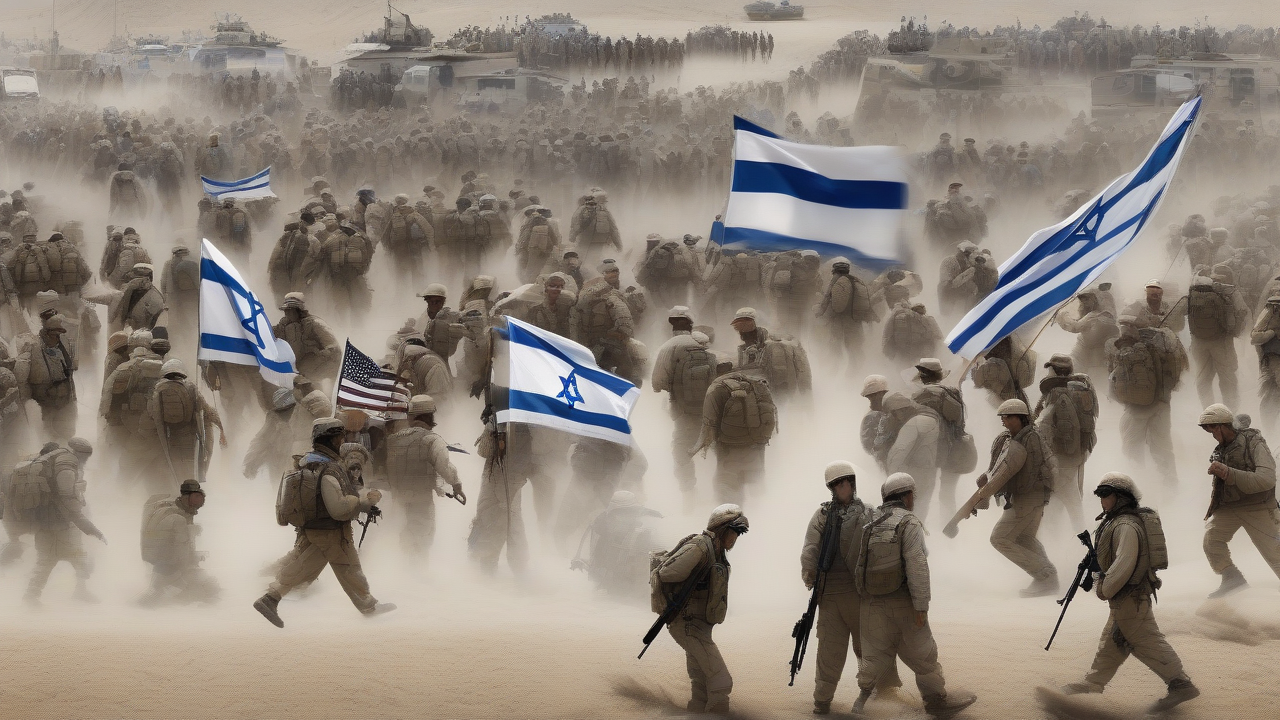
A Rift in the Making
The once-unshakeable alliance between the United States and Israel appears to be showing signs of strain, and it’s about time. As reported by the NYT Opinion, the goals of these two nations are finally starting to conflict, marking a significant shift in their long-standing relationship. This divergence is not only a natural consequence of evolving national interests but also a necessary step towards a more balanced and equitable approach to Middle Eastern politics.
The Writing on the Wall
For years, the United States has been Israel’s strongest ally, providing unwavering support and substantial financial aid. However, as the NYT Opinion piece suggests, this unyielding backing has allowed Israel to pursue its own agenda, often at the expense of American objectives. The question remains, what has this blind loyalty achieved for the United States? Has it brought about lasting peace in the region, or has it merely perpetuated a cycle of violence and instability? It’s time for the United States to reevaluate its priorities and consider the long-term consequences of its actions.
Counterarguments and Concerns
Some may argue that any sign of discord between the United States and Israel will embolden their common enemies and create a power vacuum in the region. However, this line of thinking assumes that the current state of affairs is sustainable and desirable. Can we truly afford to continue down a path that prioritizes the interests of one nation over the need for peace and stability in the entire region? The answer, quite clearly, is no. By acknowledging and addressing the conflicts between American and Israeli goals, we may actually be taking the first steps towards a more cohesive and effective foreign policy.
A Call to Action
As the United States and Israel navigate this new landscape, it’s essential to consider the potential benefits of a more nuanced approach. What if, instead of blindly supporting Israel’s actions, the United States were to use its influence to broker a lasting peace in the region? What if American goals were to prioritize the well-being and safety of all nations involved, rather than just one? The possibilities are endless, and it’s time for policymakers to start exploring them. In the words of the NYT Opinion, American goals are starting to conflict with Israel’s – let us hope that this marks the beginning of a new era in Middle Eastern politics, one characterized by cooperation, diplomacy, and a genuine commitment to peace.
Looking Ahead
As we move forward, it’s crucial to recognize that the rift between the United States and Israel is not a catastrophe, but rather an opportunity. An opportunity to reassess our priorities, to reexamine our alliances, and to forge a new path forward – one that prioritizes the needs of the many over the interests of the few. The question on everyone’s mind should be, what’s next? Will the United States continue down its current path, or will it seize this moment to create a more just and equitable Middle East? Only time will tell, but one thing is certain – the status quo is no longer tenable, and change is long overdue. In the realm of international politics, it’s rare to get a second chance; let us hope that the United States and Israel will make the most of this one.


Reader Comments