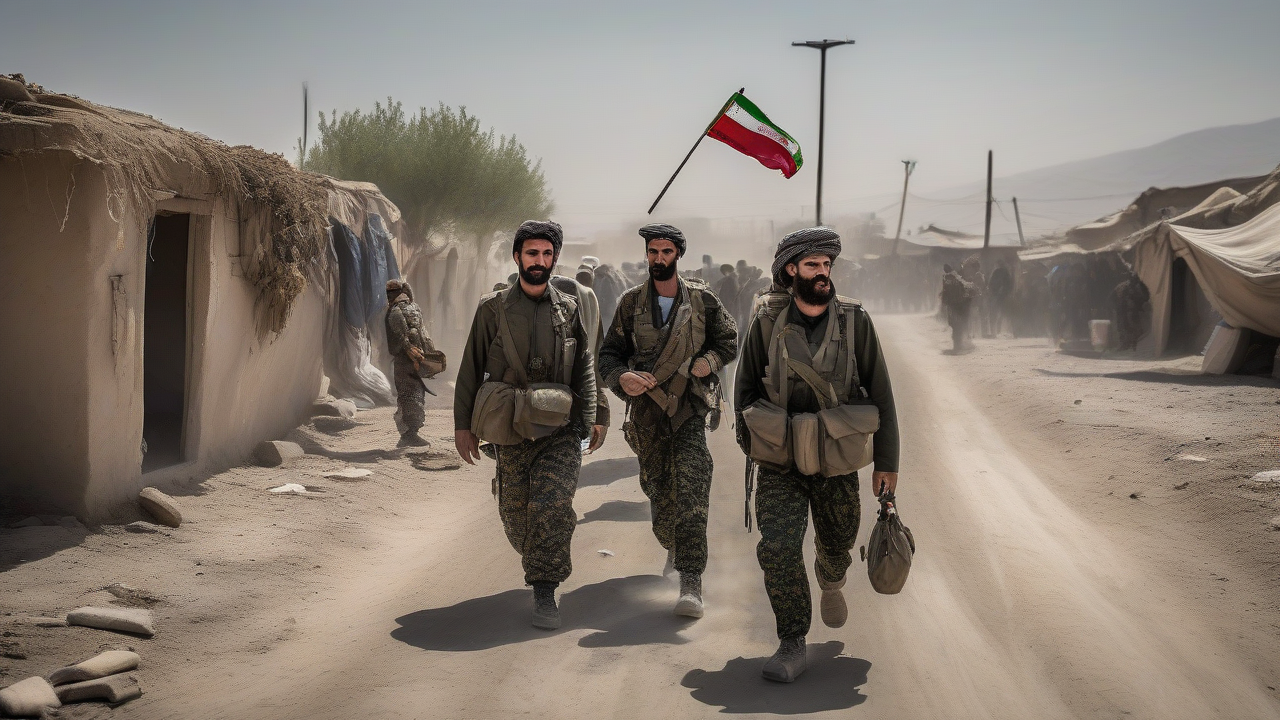
A Recipe for Disaster: The Dangers of Using Iranian Kurds as a Proxy Force
The latest revelations that the United States and Israel have considered using Iranian Kurds as a ground force should serve as a stark warning to policymakers: such a move would be a recipe for disaster. As reported by the NYT Opinion, this strategy is not only misguided but also potentially catastrophic, with far-reaching consequences for the region and beyond. In this analysis, we will examine the potential pitfalls of such a policy and argue that it is a mistake that could have devastating repercussions.
The Risks of Proxy Warfare
The idea of using Iranian Kurds as a proxy force is not new, but it is a notion that has been repeatedly discredited by experts and historians. The Kurds, an ethnic minority in Iran, have long been seeking greater autonomy and rights, but using them as a ground force would be a gross miscalculation. It would not only put the Kurdish population at risk but also destabilize the entire region. As the NYT Opinion piece highlights, the consequences of such a move would be unpredictable and potentially disastrous. What would happen if the Kurdish forces were to be defeated or caught in the middle of a conflict? Would the United States and Israel be prepared to provide them with the necessary support and protection?
Counterarguments and Concerns
Some might argue that using Iranian Kurds as a proxy force could be an effective way to counter Iranian influence in the region. However, this argument is based on a flawed assumption that the Kurds would be willing and able to take on such a role. The reality is that the Kurds have their own agenda and priorities, and using them as a proxy force would be a betrayal of their trust and autonomy. Furthermore, it would also undermine the legitimacy of the Kurdish movement and create divisions within the community. Can we really afford to take such a risk, especially when the consequences of failure would be so severe?
A Call to Caution
In conclusion, the idea of using Iranian Kurds as a ground force is a dangerous and misguided strategy that could have disastrous consequences. As the NYT Opinion piece so eloquently argues, it is a recipe for disaster that could destabilize the entire region and put the Kurdish population at risk. In this opinion, it is crucial that policymakers exercise caution and consider the long-term implications of such a move. We must ask ourselves: what are the potential benefits of using Iranian Kurds as a proxy force, and do they outweigh the risks? The answer, in this analysis, is a resounding no. It is time for the United States and Israel to rethink their strategy and consider alternative solutions that do not involve using proxy forces or putting innocent lives at risk. The future of the region depends on it.


Reader Comments