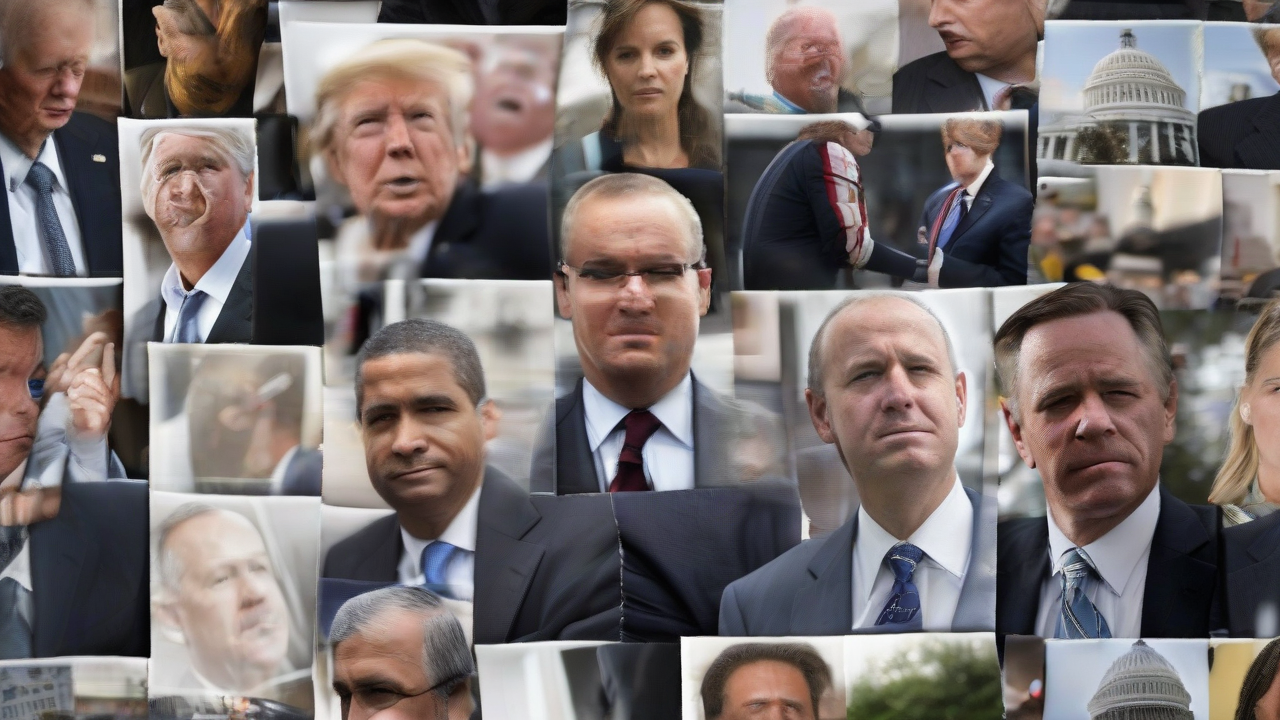
A Reckoning for America’s Global Reputation
The writing is on the wall: the United States’ current approach to international relations, as exemplified by the Trump administration’s antics, is a recipe for disaster. As the New York Times Opinion piece so astutely observes, it’s a stark choice between revising the budget or risking a seismic shift in America’s relationship with the rest of the world. In my opinion, this is not a difficult decision – the consequences of inaction will be catastrophic.
The facts are clear: the Trump administration’s way of doing business with the world is a zero-sum game, where America’s interests are prioritized at the expense of everyone else. This approach has already led to a decline in international cooperation, a rise in protectionism, and a general sense of unease among allies and adversaries alike. As the NYT Opinion piece notes, the budget is a major sticking point, with the administration’s spending priorities reflecting a callous disregard for the well-being of other nations. The question is, how much longer can America afford to pursue this course before the rest of the world decides it’s had enough?
Some might argue that a strong America, unencumbered by the constraints of international agreements and alliances, is the key to global stability. But this is a misguided notion, born of a flawed understanding of how the world works. In reality, international relations are a delicate balancing act, requiring cooperation, compromise, and a willingness to listen to others. The Trump administration’s approach, on the other hand, is a blunt instrument, more likely to provoke conflict than prevent it. What happens when the rest of the world decides to push back against America’s unilateralism? Will we be prepared to face the consequences of our actions?
The Cost of Isolationism
The costs of this approach are already being felt, from the erosion of international institutions to the rise of nationalist sentiment around the world. The NYT Opinion piece is correct in highlighting the budget as a key factor in this equation – by prioritizing military spending over diplomacy and international cooperation, the administration is effectively choosing to go it alone, rather than working with others to address common challenges. But at what cost? The world is a complex, interconnected place, where problems like climate change, pandemics, and economic inequality require collective action. Can we really afford to abandon the international stage, just when our presence is needed most?
In my analysis, the answer is a resounding no. It’s time for America to rethink its approach to international relations, to recognize that our interests are inextricably linked with those of other nations. This means revising the budget to prioritize diplomacy, development, and international cooperation, rather than simply throwing more money at the military. It means working with others to address common challenges, rather than trying to go it alone. And it means recognizing that our actions have consequences, not just for ourselves, but for the rest of the world.
A Call to Action
So what’s next? In my opinion, the choice is clear: we can continue down the path of isolationism and unilateralism, or we can choose a different course, one that recognizes the value of international cooperation and the importance of working together to address common challenges. The consequences of inaction will be severe, from the erosion of America’s global reputation to the rise of new international conflicts. But if we act now, if we choose to revise the budget and prioritize diplomacy and international cooperation, we can still avoid the worst of these outcomes. The question is, will we take this opportunity, or will we continue to sleepwalk towards disaster? The world is watching, and the clock is ticking.
Reader Comments