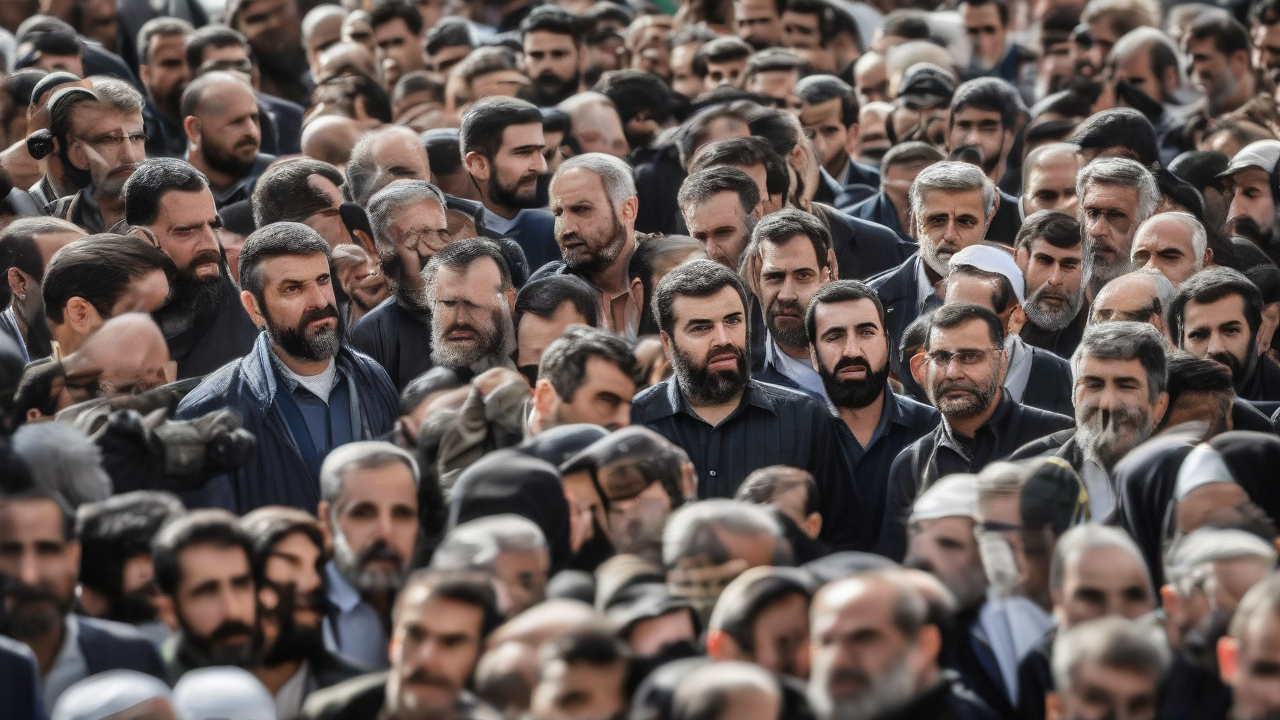
A Delicate Balance: Weighing the Consequences of Engagement with Iran
As the world grapples with the complexities of international relations, a recent column by Nicholas Kristof in the NYT Opinion has sparked a heated debate about the risks and gains of engaging with Iran. In my opinion, this discussion is long overdue, and it’s time to take a closer look at the potential consequences of our actions. According to the responses to Kristof’s column, it’s clear that readers are divided on the issue, with some arguing that engagement is the key to unlocking a more peaceful future, while others believe that it’s a recipe for disaster.
The Risks of Engagement
On one hand, engaging with Iran could lead to a number of benefits, including increased economic cooperation and a reduction in tensions between our two nations. As Kristof notes, Iran is a country with a rich history and culture, and its people deserve our respect and engagement. However, we must also be aware of the potential risks involved, including the possibility of Iran using its newfound relationships to further its own interests at the expense of others. For example, what if Iran were to use its increased economic ties to fund its military expansion or support terrorist organizations? Don’t we have a responsibility to consider the potential consequences of our actions, and to ensure that we’re not inadvertently contributing to the destabilization of the region?
Counterarguments and Concerns
Some may argue that engagement with Iran is the only way to bring about positive change, and that isolating the country will only serve to further entrench its hardline regime. But isn’t this a simplistic view, one that fails to take into account the complexities of the situation? Don’t we need to consider the potential risks and consequences of our actions, rather than simply relying on good intentions? What if, instead of bringing about positive change, our engagement with Iran were to embolden its leaders, and to convince them that they can act with impunity? Wouldn’t this be a catastrophic mistake, one that could have far-reaching and devastating consequences?
A Call to Action
In my opinion, the key to navigating this complex situation is to approach it with a clear-eyed and nuanced understanding of the potential risks and benefits. We need to be aware of the potential pitfalls of engagement, and to take steps to mitigate them. This means being cautious and deliberate in our dealings with Iran, and ensuring that we’re not inadvertently contributing to the destabilization of the region. It also means being willing to walk away from the negotiating table if necessary, and to prioritize our own interests and values. As we move forward, we must ask ourselves: what are the potential consequences of our actions, and are we prepared to live with them? Only by taking a thoughtful and informed approach can we hope to achieve a positive outcome, and to create a more peaceful and stable future for all. In the end, it’s up to us to weigh the risks and gains of engagement with Iran, and to make a decision that’s in the best interests of our nation and the world.
Reader Comments