
A Significant Ruling with Far-Reaching Implications
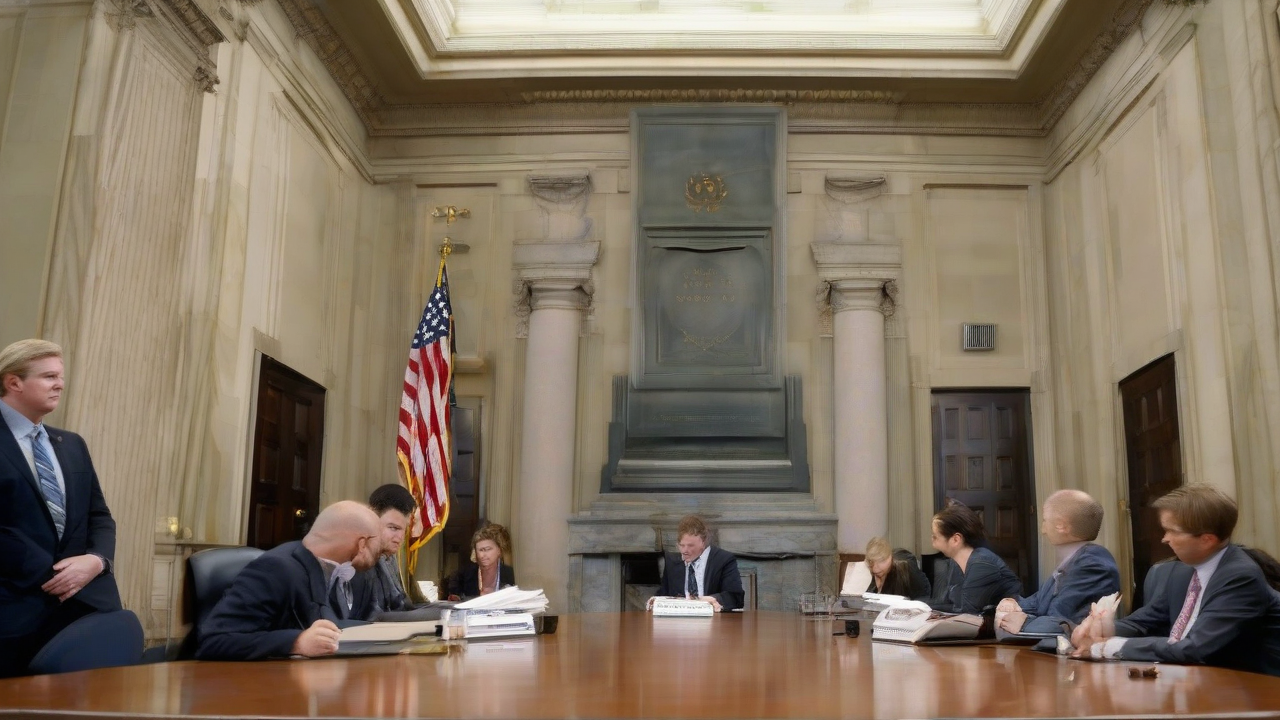
In a landmark decision, a federal appeals court has upheld a $42 million verdict in favor of Iraqi victims of U.S. abuse, as reported by the New York Times. This ruling is significant not only for the victims and their families but also for the broader implications it has on the accountability of private contractors involved in military operations.
Background and Context
The case revolves around the actions of a Virginia-based contractor that provided interrogators to the U.S. military following the 2003 invasion of Iraq. The contractor’s involvement in the abuse of Iraqi detainees has been a subject of controversy and legal battles for years. Analysts note that this case highlights the complex and often murky legal landscape surrounding the use of private contractors in military conflicts. Observers point out that the ruling sets a precedent for holding such contractors accountable for their actions, which could have far-reaching consequences for how future military operations are conducted.
Impact on Victims and Their Families
The verdict is a significant victory for the victims of abuse and their families, who have been seeking justice for years. According to sources, the damages awarded will provide some measure of compensation for the suffering endured by the victims. However, the move also signals a broader shift in how the U.S. legal system approaches cases involving human rights abuses committed during military conflicts. Experts suggest that this ruling could pave the way for similar cases to be brought against other contractors and even against the U.S. government itself.
Broader Implications and Trends
The ruling comes at a time when there is growing scrutiny of the role of private contractors in military operations. The use of contractors has become increasingly common in recent years, with many arguing that it allows for greater flexibility and cost savings. However, others point out that it also raises concerns about accountability and the potential for human rights abuses. As reported by the New York Times, the case against the Virginia contractor is just one example of the many legal battles being fought over the actions of private contractors in Iraq and elsewhere.
What’s Next
Looking ahead, observers will be watching to see how this ruling affects the behavior of private contractors involved in military operations. There are likely to be further legal challenges and potentially even new legislation aimed at clarifying the role and responsibilities of contractors. Additionally, the U.S. government may face increased pressure to provide greater oversight and accountability of contractors operating in conflict zones. As the situation continues to unfold, one thing is clear: the ruling has significant implications for the future of military operations and the role of private contractors within them.
Conclusion and Analysis
In conclusion, the upheld verdict of $42 million in favor of Iraqi victims of U.S. abuse is a significant development with far-reaching implications. Analysts note that the ruling highlights the need for greater accountability and oversight of private contractors involved in military operations. While the verdict provides some measure of justice for the victims and their families, it also raises important questions about the future of military operations and the role of contractors within them. As the situation continues to evolve, it will be important to watch for further developments and to consider the potential consequences of this ruling for U.S. military policy and international relations. According to sources, including the New York Times, this case will likely be closely watched by legal experts, human rights advocates, and military analysts in the months and years to come.

Reader Comments