
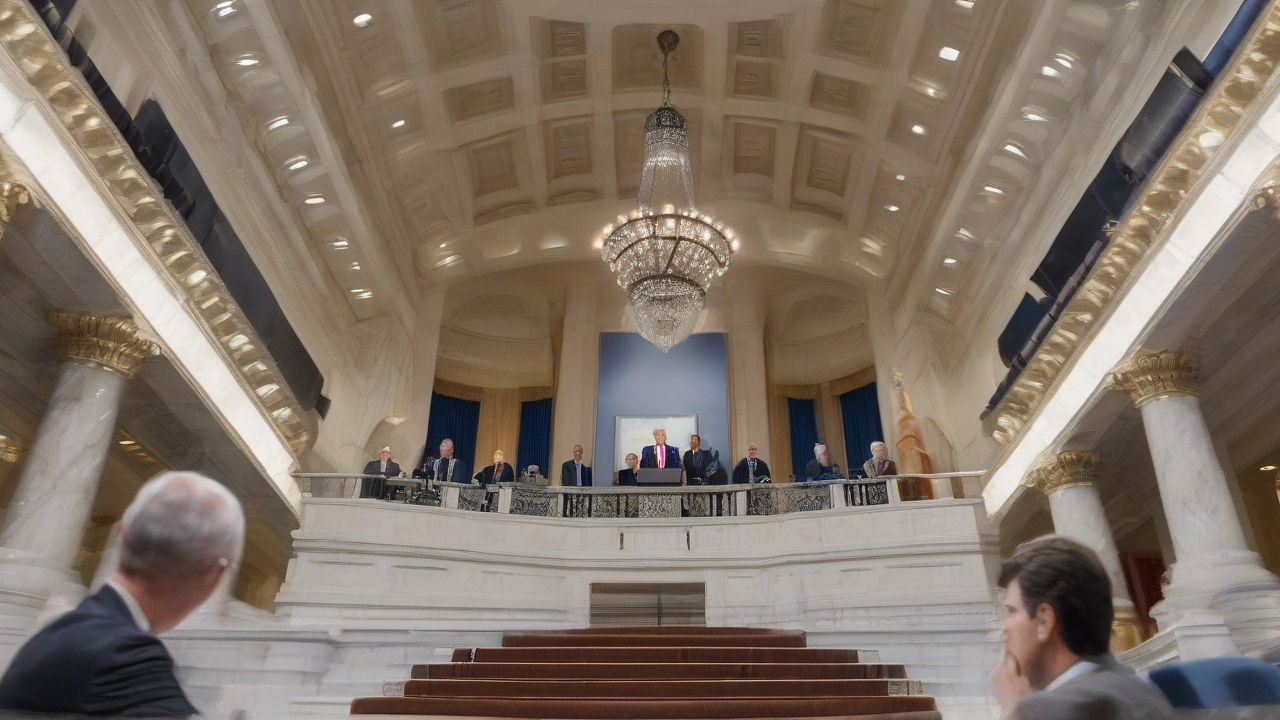
A Presidential Legacy of Confrontation
The recent naming of the U.S. military operation against Iran as “Epic Fury” underscores the confrontational approach that has come to define the Trump presidency, according to analysts. This choice, as reported by the New York Times, reflects a leader whose time in office has been characterized by a penchant for aggressive rhetoric and action. Observers point out that such a naming decision is not merely symbolic but sets the tone for the administration’s foreign policy stance, particularly in relation to Iran.
Context and Implications
The move signals a significant escalation in the geopolitical tensions between the United States and Iran, a situation that has been simmering for years. Analysts note that the branding of military operations can have profound implications, influencing public perception and setting the stage for future diplomatic and military engagements. In the context of U.S.-Iran relations, which have seen periods of heightened tension and brief moments of diplomacy, the naming of “Epic Fury” suggests a hardline approach. This stance is likely to affect not only the immediate region but also have broader implications for global security and diplomatic efforts.
Expert Analysis and Public Reaction
Observers point out that the decision to name the operation “Epic Fury” is consistent with President Trump’s style of leadership, which often emphasizes strength and decisiveness. However, critics argue that such an approach can alienate potential allies and limit the room for diplomatic maneuvering. As reported by sources, the reaction to the operation’s naming has been mixed, with some supporting the strong stance against Iran and others expressing concern over the potential for further escalation and the impact on regional stability.
Impact on Regional and Global Security
The stakes are high, with the potential for the conflict to draw in other regional players and affect global oil markets. Analysts indicate that the situation demands careful monitoring, given the complex web of alliances and interests in the Middle East. The move is also seen as a test of the Trump administration’s ability to navigate complex geopolitical situations, with the outcome likely to influence the legacy of the presidency.
Looking Ahead
As the situation continues to unfold, what to watch next includes the response from Iran and other regional actors, as well as any shifts in the international community’s stance towards the conflict. According to sources, upcoming diplomatic meetings and statements from key players will be crucial in determining the trajectory of the situation. The New York Times has reported on the initial reactions and the ongoing developments, providing insight into the evolving nature of the conflict. As the world waits to see how “Epic Fury” plays out, the focus will be on whether the operation achieves its intended goals without sparking wider conflict, and what this means for the future of U.S. foreign policy under the Trump administration.
Reader Comments