
Introduction to a Complex Issue
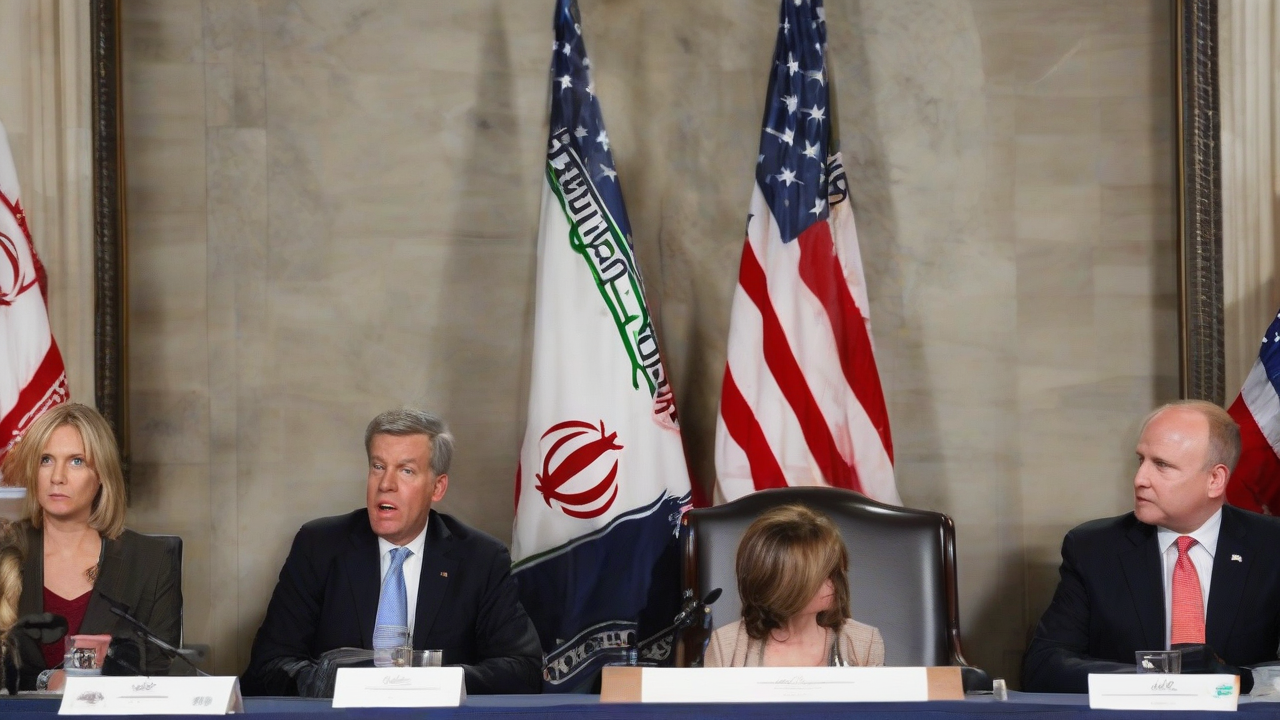
The Iranian situation has become a focal point of international concern, with the United States playing a pivotal role in shaping the geopolitical landscape. According to reports from the New York Times, the president’s stance on Iran has been marked by inconsistencies, leaving observers to ponder the implications of such unpredictability. Analysts note that this approach, while potentially a negotiating tactic, poses significant challenges when dealing with sensitive and high-stakes issues like those involving Iran.
The Shifting Sands of Policy
Observers point out that the president’s tendency to adopt contradictory positions is not new, but its application to Iran policy introduces a layer of complexity. The move signals a departure from traditional diplomatic approaches, where consistency and clarity are typically valued. As reported by the New York Times, this negotiating style, as described by the president’s aides, aims to keep counterparts engaged and guessing. However, in the context of Iran, where the stakes are exceedingly high, such an approach can lead to confusion and miscalculation.
Context and Implications
The implications of these shifting positions are far-reaching, affecting not only the immediate parties involved but also the broader international community. Experts emphasize that consistency in foreign policy is crucial, especially when dealing with nations like Iran, where trust and predictability are already in short supply. The consequences of war, should it become a reality, would be catastrophic, affecting global stability, economies, and human lives on a massive scale. The current situation underscores the need for a coherent and stable approach to international relations, one that prioritizes dialogue, diplomacy, and the avoidance of conflict.
Impact Analysis
The people most directly affected by the president’s Iran policy are the Iranian citizens themselves, along with those in neighboring countries and beyond who could be impacted by the fallout of any conflict. Additionally, the global community, including allies and adversaries of the United States, is watching the situation closely, as the potential for escalation could draw in multiple parties. The stakes are clear: a miscalculation or misinterpretation of intentions could lead to devastating consequences, including loss of life, displacement, and long-term instability in the region.
Expert Perspective
Analysts and observers of international relations note that the current stance on Iran reflects a broader trend in global politics, where traditional norms and practices are being challenged. The shift towards more unpredictable and assertive foreign policy postures is seen by some as a response to changing global dynamics and the rise of new powers. However, others caution that such an approach, while potentially yielding short-term gains, poses significant long-term risks, including the erosion of international law, the destabilization of critical regions, and the undermining of global governance structures.
Forward-Looking
As the situation with Iran continues to evolve, what to watch next includes any upcoming diplomatic engagements, statements from key stakeholders, and developments on the ground that could influence the trajectory of events. According to sources, the next few weeks will be critical in determining whether the current tensions can be managed through diplomacy or if the situation will escalate further. The international community remains vigilant, awaiting clear signals of intent and action from all parties involved.
Conclusion
The complexity of the Iranian issue, coupled with the president’s negotiating style, presents a challenging landscape for diplomats and policymakers. As reported by the New York Times, understanding the president’s positions on Iran requires navigating a web of sometimes contradictory statements and actions. Moving forward, clarity, consistency, and a commitment to diplomatic solutions will be essential in mitigating the risks associated with this volatile situation. Observers will be closely watching the administration’s next moves, seeking indicators of a coherent strategy that prioritizes peace and stability over confrontation.
Reader Comments