
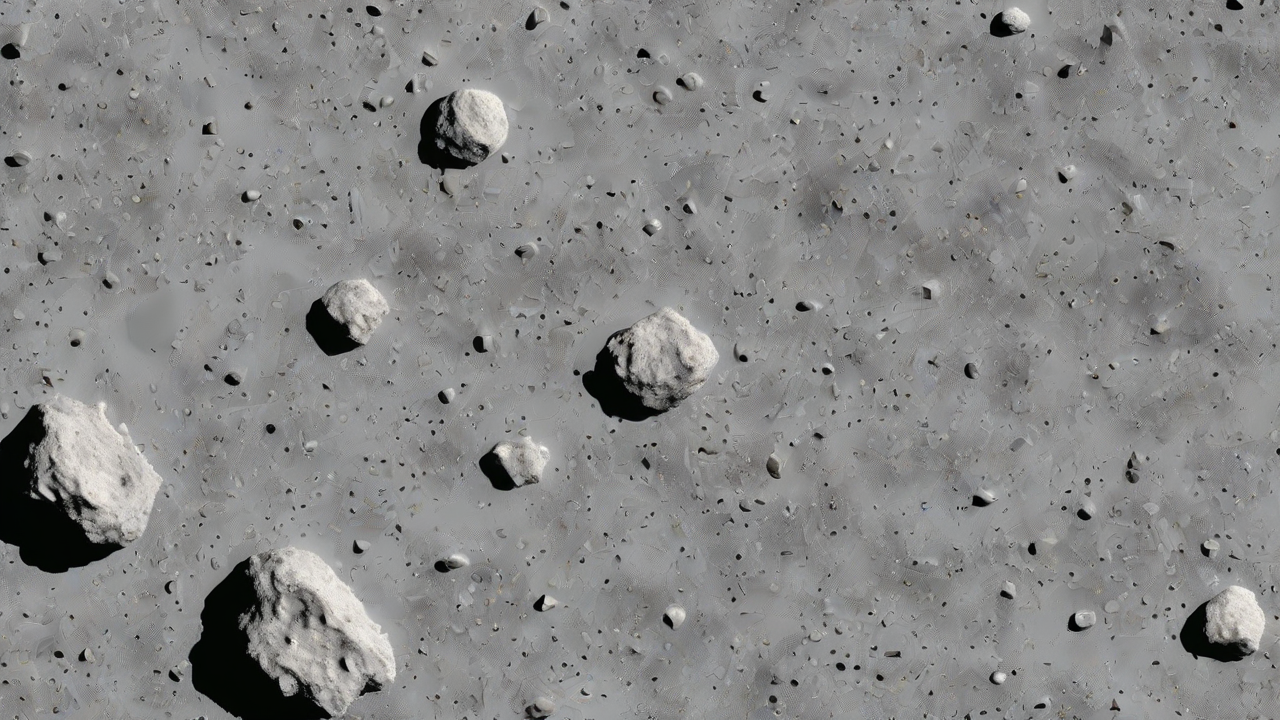
Discovery of Life’s Building Blocks in Asteroid Ryugu
A groundbreaking finding has emerged from the analysis of samples collected from the asteroid Ryugu, as reported by New Scientist. According to this research, all five of the canonical nucleobases, which are the fundamental components of DNA and RNA, have been detected in these extraterrestrial samples. This discovery is significant because it suggests that the raw materials necessary for life as we know it are not unique to Earth and can be found elsewhere in our solar system.
Implications for the Origins of Life
The presence of these nucleobases in the asteroid Ryugu implies that the basic ingredients for life are widespread in the universe. Analysts note that this finding supports the theory that life on Earth could have originated from material delivered by asteroids or comets. Observers point out that the discovery of these essential compounds in a celestial body other than our planet underscores the possibility that life might not be exclusive to Earth. The move signals a significant advancement in our understanding of the origins of life and the potential for life to exist elsewhere.
Context and Significance
As researchers delve deeper into the composition of asteroids and comets, they are uncovering evidence that these celestial bodies played a crucial role in delivering the building blocks of life to Earth. The detection of nucleobases in Ryugu’s samples highlights the importance of continuing to explore and study our solar system for clues about how life began. Experts emphasize that understanding the origins of life is not only a fundamental question in biology but also has profound implications for astrobiology and the search for extraterrestrial life.
Impact on Astrobiology Research
The discovery of nucleobases in asteroid Ryugu is expected to have a profound impact on the field of astrobiology. Scientists will be keenly interested in further analyzing the samples to gain a deeper understanding of the chemical processes that occur on asteroids and how these might contribute to the emergence of life. As reported by New Scientist, this finding opens up new avenues for research into the possibility of life existing elsewhere in our solar system and beyond. The stakes are high, as this research could ultimately lead to a greater understanding of whether we are alone in the universe.
Future Research Directions
Looking ahead, the next steps in this research will involve more detailed analysis of the Ryugu samples and potentially exploring other asteroids and comets for similar signs of life’s building blocks. Upcoming missions and research projects will be closely watched as scientists seek to build on this discovery and push the boundaries of our knowledge about the origins of life. According to sources, the continued exploration of our solar system and the study of celestial bodies like Ryugu will be crucial in unraveling the mysteries of life’s beginnings and its potential existence beyond Earth.
Conclusion and Next Steps
In conclusion, the finding of all five canonical nucleobases in samples from the asteroid Ryugu marks a significant milestone in the search for the origins of life. As this research continues to unfold, it will be important to follow the latest developments and discoveries. With the possibility of life existing elsewhere in the universe now more plausible than ever, the scientific community and the public alike will be eagerly awaiting the next breakthrough in this fascinating field of study. Sources indicate that further research and exploration will be necessary to fully understand the implications of this discovery and to determine what it might mean for our understanding of life in the universe.
Reader Comments