
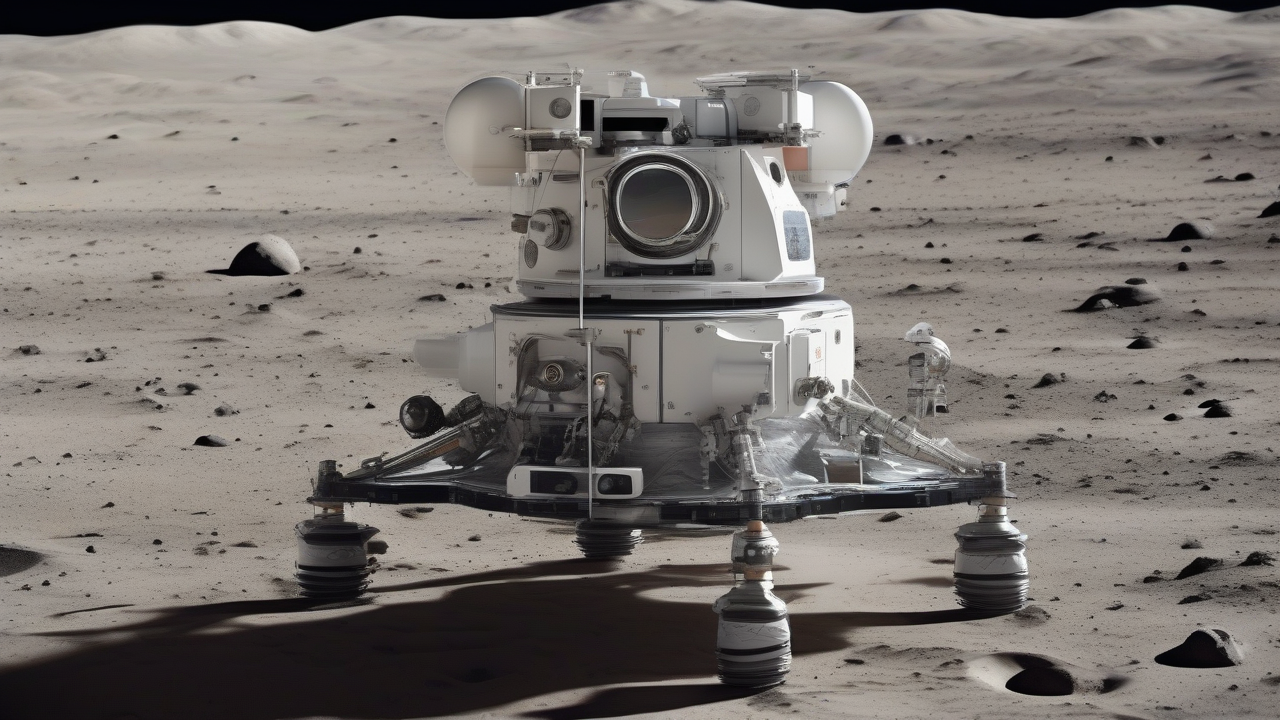
Lunar Exploration Heats Up as China Eyes Historic Moon Landing
In a significant development that could mark a major milestone in space exploration, China is poised to send its first astronauts to the moon, with the Rimae Bode region emerging as a prime landing site. This area, often referred to as a “geological museum,” offers a unique window into the moon’s complex history, making it an attractive destination for scientific research.
Why Rimae Bode?
Analysts note that the selection of Rimae Bode as a potential landing site is largely driven by its geological significance. The region is characterized by a diverse array of lunar features, including ancient craters, lava flows, and volcanic ash deposits. According to sources, this diversity makes Rimae Bode an ideal location for China’s first crewed lunar mission, as it would provide scientists with a wealth of opportunities to study the moon’s composition, structure, and evolution.
Implications of a Successful Landing
Observers point out that a successful landing in Rimae Bode would not only mark a major achievement for China’s space program but also have significant implications for the global space community. As reported by Scientific American, the mission would demonstrate China’s capabilities in lunar exploration and potentially pave the way for future manned missions to the moon. Furthermore, the scientific data collected during the mission would contribute to a better understanding of the moon’s geology and history, which could, in turn, inform strategies for future lunar exploration and development.
Evaluating Landing Sites
Phys.org reports that the Chinese space agency has been evaluating several potential landing sites for its manned moon mission, with Rimae Bode emerging as a top contender. The site selection process involves careful consideration of various factors, including the region’s geological characteristics, accessibility, and safety. Experts indicate that the final decision will depend on a range of technical and scientific factors, as well as the mission’s overall objectives and requirements.
The Global Context
The move signals a new era of competition in lunar exploration, with China, the United States, and other nations vying to establish a presence on the moon. As Gizmodo notes, China’s efforts to land astronauts on the moon could potentially beat NASA’s plans to return humans to the lunar surface. This development has significant implications for the future of space exploration, as nations seek to expand their presence in space and unlock the moon’s resources.
What’s Next?
As China prepares to send its first astronauts to the moon, observers will be watching closely to see how the mission unfolds. According to Nature, the success of the mission will depend on a range of factors, including the performance of the spacecraft, the astronauts’ training, and the effectiveness of the mission’s scientific instruments. With the mission’s launch date approaching, space enthusiasts and scientists alike will be eagerly awaiting news of the astronauts’ historic landing on the moon.


Reader Comments