
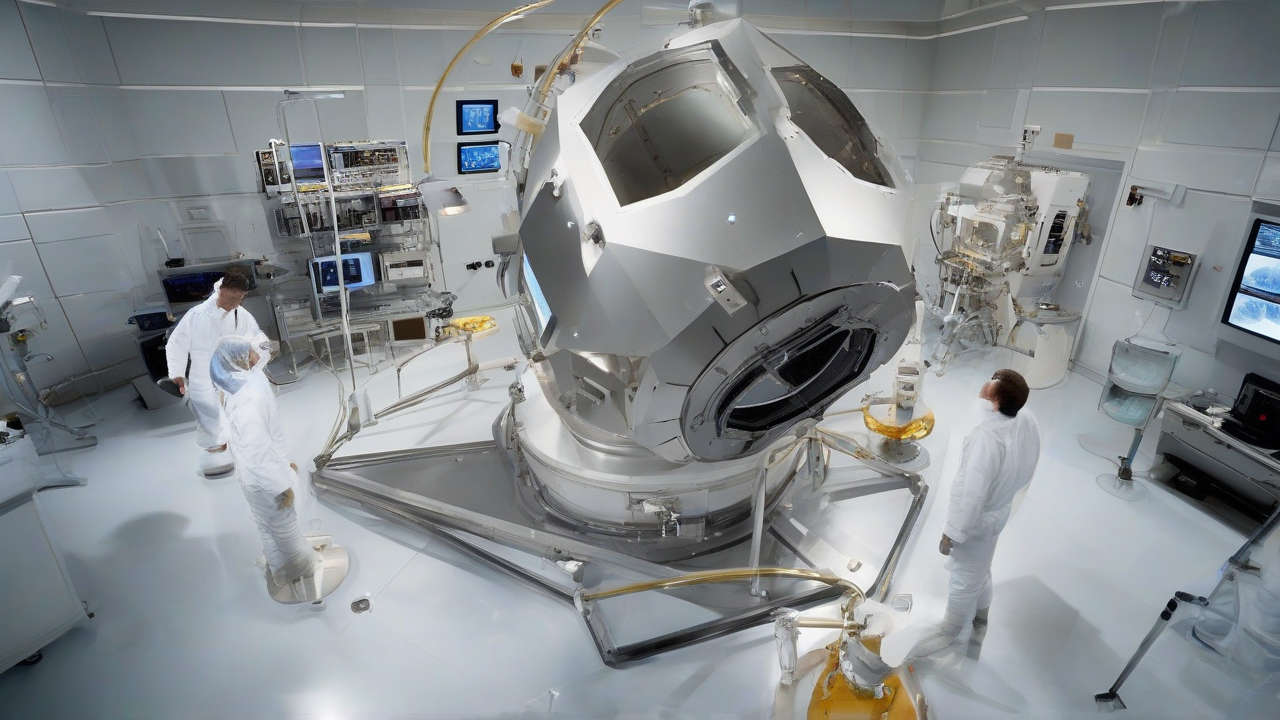
A New Era in Asteroid Defense
In a groundbreaking achievement, NASA has successfully altered the trajectory of an asteroid, marking a significant milestone in the pursuit of protecting Earth from potential asteroid threats. According to NASA, the Double Asteroid Redirection Test (DART) mission has demonstrated that humans can indeed redirect asteroids in space, offering a glimmer of hope in the face of asteroid-related doom.
The Mission and Its Implications
The DART mission involved crashing a spacecraft into the asteroid Didymos, which orbits the sun, to test the feasibility of changing its orbit. As reported by NASA, the mission resulted in a 0.15-second shift in the asteroid’s trajectory, proving that this technique can be used to deflect asteroids that may be on a collision course with Earth. Observers point out that this achievement has significant implications for the field of asteroid defense, as it provides a viable option for protecting our planet from potential threats.
Why It Matters
Asteroids have been a topic of interest and concern for scientists and space agencies around the world, as they pose a significant threat to Earth’s safety. The ability to deflect or redirect asteroids can be a game-changer in preventing catastrophic events. Analysts note that the success of the DART mission is a crucial step towards developing a robust asteroid defense system, which can help mitigate the risks associated with asteroid impacts. According to sources, the DART mission is a significant advancement in the field of asteroid defense, and its results will be closely studied by scientists and space agencies worldwide.
The Science Behind the Mission
The DART mission was designed to test the kinetic impactor technique, which involves crashing a spacecraft into an asteroid to change its trajectory. The mission targeted the asteroid Didymos, which is a binary asteroid system consisting of two asteroids orbiting each other. By crashing the spacecraft into the smaller asteroid, NASA scientists aimed to alter its orbit and measure the effects of the impact. As reported by The Independent, the mission was a landmark defense test, demonstrating the feasibility of using kinetic impactors to deflect asteroids.
Impact and Future Developments
The success of the DART mission has significant implications for the future of asteroid defense. The mission’s results will be used to inform the development of future asteroid defense systems, which can help protect Earth from potential asteroid threats. According to CNN, the DART mission has accelerated the orbit of two asteroids around the sun, demonstrating the effectiveness of the kinetic impactor technique. As scientists continue to study the results of the mission, they will be watching for any future developments in asteroid defense, including the potential for new missions and technologies.
What’s Next
As the scientific community continues to analyze the results of the DART mission, NASA and other space agencies will be working towards developing more advanced asteroid defense systems. According to sources, the next steps will involve further testing and refinement of the kinetic impactor technique, as well as the development of new technologies and strategies for asteroid defense. As reported by Yahoo, the DART mission has proven that humans can redirect asteroids in space, and the future of asteroid defense looks promising. With ongoing research and development, scientists and space agencies will be working towards creating a safer and more secure environment for our planet.
Reader Comments