
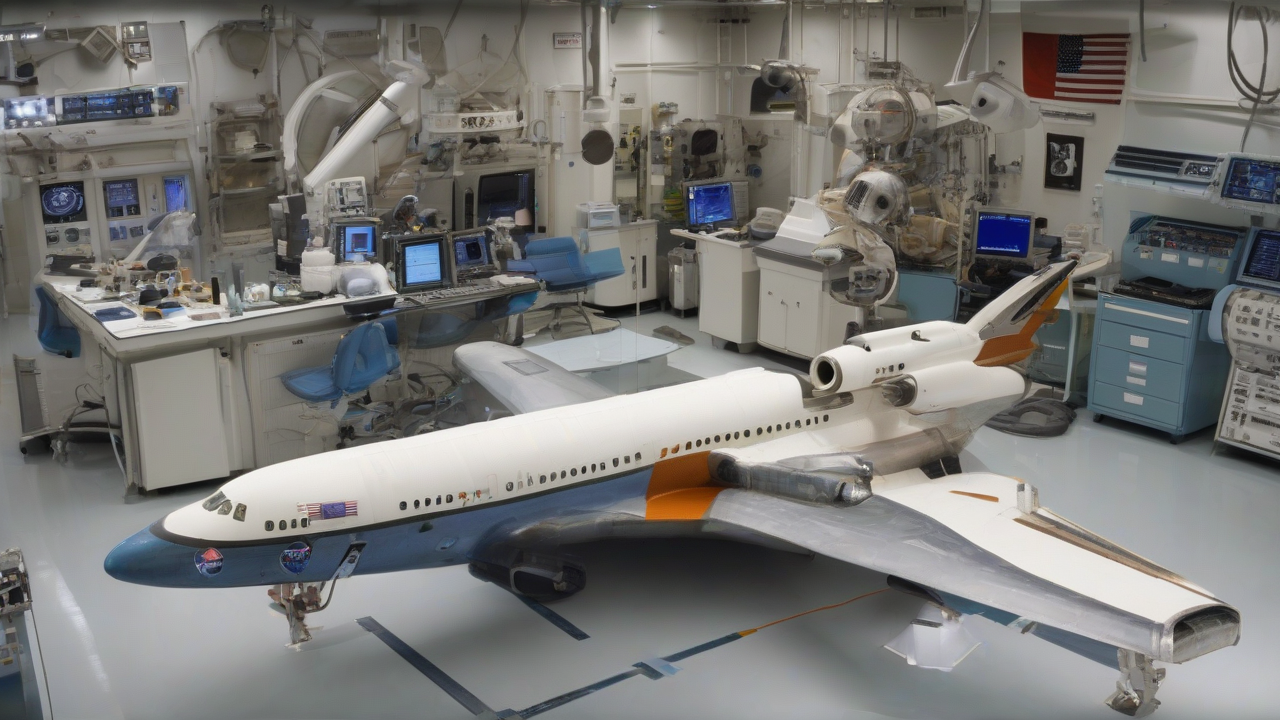
Introduction to Next-Generation Aircraft Research
A significant development in the aviation sector is underway, as researchers strive to create more efficient and cost-effective aircraft. According to information from NASA, the Subsonic Vehicle Technologies and Tools (SVTT) project is at the forefront of this effort, focusing on the development of technologies and tools for various types of aircraft. This initiative has the potential to revolutionize the industry by lowering operating costs for next-generation single-aisle aircraft.
Background and Objectives
The SVTT project is geared towards advancing knowledge, technologies, and concepts that can enable major reductions in operating costs. By exploring different speed regimes, including those of next-generation vertical take-off and landing and fixed-wing subsonic aircraft, researchers aim to push the boundaries of what is currently possible. As reported by NASA, this project is part of a broader effort to improve the efficiency and sustainability of air travel, which is essential for meeting the growing demand for air transportation while minimizing its environmental impact.
Expert Analysis and Implications
Analysts note that the success of the SVTT project could have far-reaching implications for the aviation industry. By developing more efficient aircraft, airlines could significantly reduce their fuel consumption, leading to lower operating costs and reduced greenhouse gas emissions. Observers point out that this, in turn, could make air travel more affordable and accessible to a wider range of people, which would be a major step forward in terms of social and economic development. The move signals a shift towards a more sustainable and environmentally friendly approach to air travel, which is likely to become increasingly important in the coming years.
Impact and Stakeholders
The SVTT project has the potential to affect a wide range of stakeholders, from airlines and aircraft manufacturers to passengers and the environment. As the project progresses, it is likely to have a significant impact on the aviation industry, leading to changes in the way aircraft are designed, built, and operated. According to sources, the project’s focus on lowering operating costs could also lead to increased competition among airlines, which would ultimately benefit consumers. However, the project’s success will depend on the ability of researchers to overcome the technical challenges associated with developing more efficient aircraft.
Future Developments and Watchpoints
As the SVTT project continues to advance, there are several key developments to watch out for. Researchers are likely to face significant technical challenges as they work to develop more efficient aircraft, and overcoming these challenges will be crucial to the project’s success. Additionally, the project’s impact on the aviation industry will depend on the ability of airlines and aircraft manufacturers to adopt and implement the new technologies and tools being developed. With the project’s progress being closely monitored by industry watchers, the next major milestone will be the completion of the research phase and the beginning of the testing and implementation phase, which is expected to provide further insights into the project’s potential to transform the aviation industry.
Reader Comments