
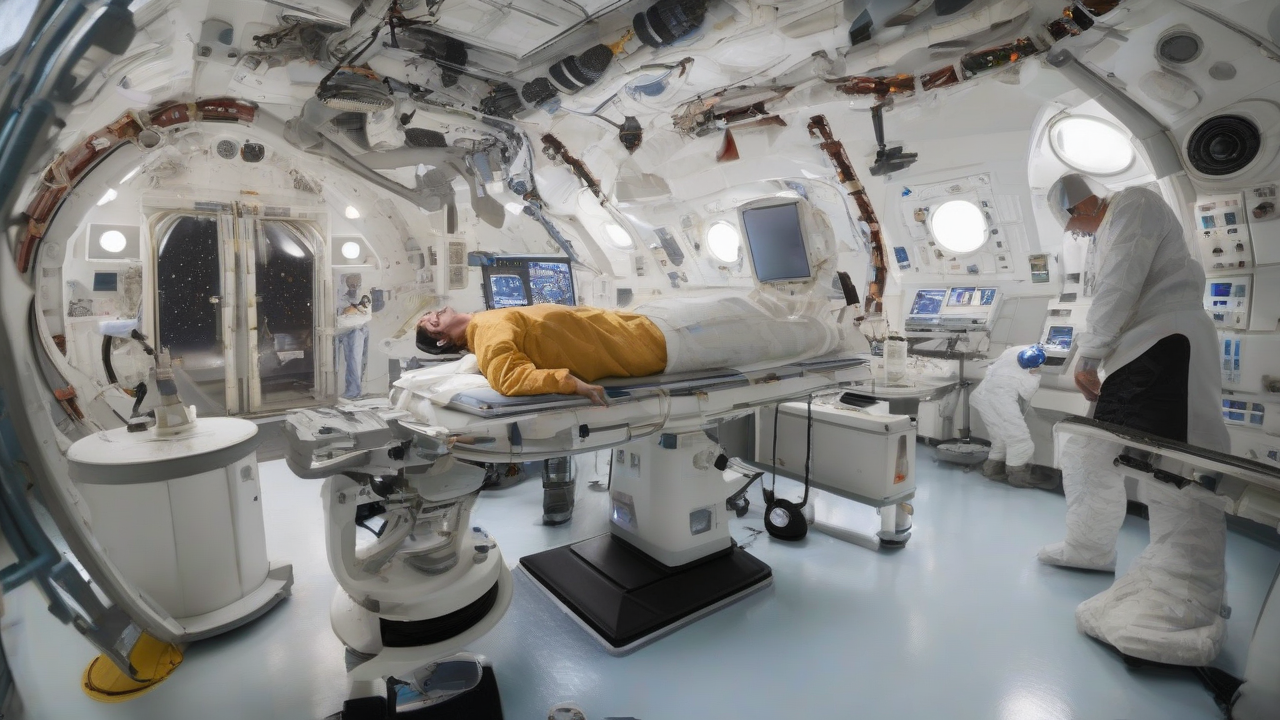
Introduction to Risk Estimation in Spaceflight Hardware
A significant development in the field of space exploration has emerged, as the NASA Engineering and Safety Center (NESC) has created a method for estimating risk when reducing nondestructive evaluation (NDE) on spaceflight hardware, according to information published by NASA. This breakthrough comes as a response to the cost and schedule impacts associated with performing NDE, which has led some to consider descoping or eliminating these inspections on certain hardware.
Context and Background
Performing NDE is a crucial aspect of ensuring the safety and reliability of spaceflight hardware. However, the process can be time-consuming and costly, leading some to question whether it is necessary for all components. NASA’s Technical Standard NASA-STD-5019A outlines the requirements for NDE in spaceflight hardware, but the new method developed by NESC provides a framework for estimating the risks associated with reducing or eliminating these inspections. Analysts note that this approach could potentially save time and resources, but it also raises concerns about the potential impact on safety.
Expert Perspective
Observers point out that the move signals a shift towards a more nuanced approach to NDE, one that takes into account the specific risks and requirements of each component. According to sources, the NESC method provides a systematic approach to estimating risk, allowing engineers to make informed decisions about where to reduce or eliminate NDE inspections. This approach is seen as a significant improvement over the current one-size-fits-all approach, which can be overly conservative and costly.
Impact Analysis
The new method is expected to have a significant impact on the space industry, particularly for companies involved in the design and manufacture of spaceflight hardware. As reported by NASA, the method could potentially save millions of dollars in costs associated with NDE, while also reducing the time required for inspection and testing. However, the stakes are high, and any reduction in NDE inspections must be carefully considered to ensure that safety is not compromised.
Forward-Looking Developments
As the space industry continues to evolve, it is likely that the NESC method will play a critical role in shaping the approach to NDE. According to NASA, the method is expected to be widely adopted, and its impact will be closely monitored. In the coming months, industry watchers will be paying close attention to how the method is implemented and what effects it has on the safety and reliability of spaceflight hardware. Upcoming developments, such as the release of new technical standards and guidelines, will also be closely watched to see how they incorporate the NESC method.
Conclusion and Next Steps
In conclusion, the development of the NESC method for estimating risk when reducing NDE on spaceflight hardware is a significant step forward for the space industry. As the industry continues to push the boundaries of space exploration, it is essential that safety and reliability are not compromised. The NESC method provides a systematic approach to estimating risk, and its adoption is expected to have a significant impact on the industry. In the coming months, it will be essential to monitor the implementation of the method and its effects on safety and reliability, as well as to watch for upcoming developments and updates from NASA and other industry stakeholders.
Reader Comments