
Breakthrough in Welding Technology
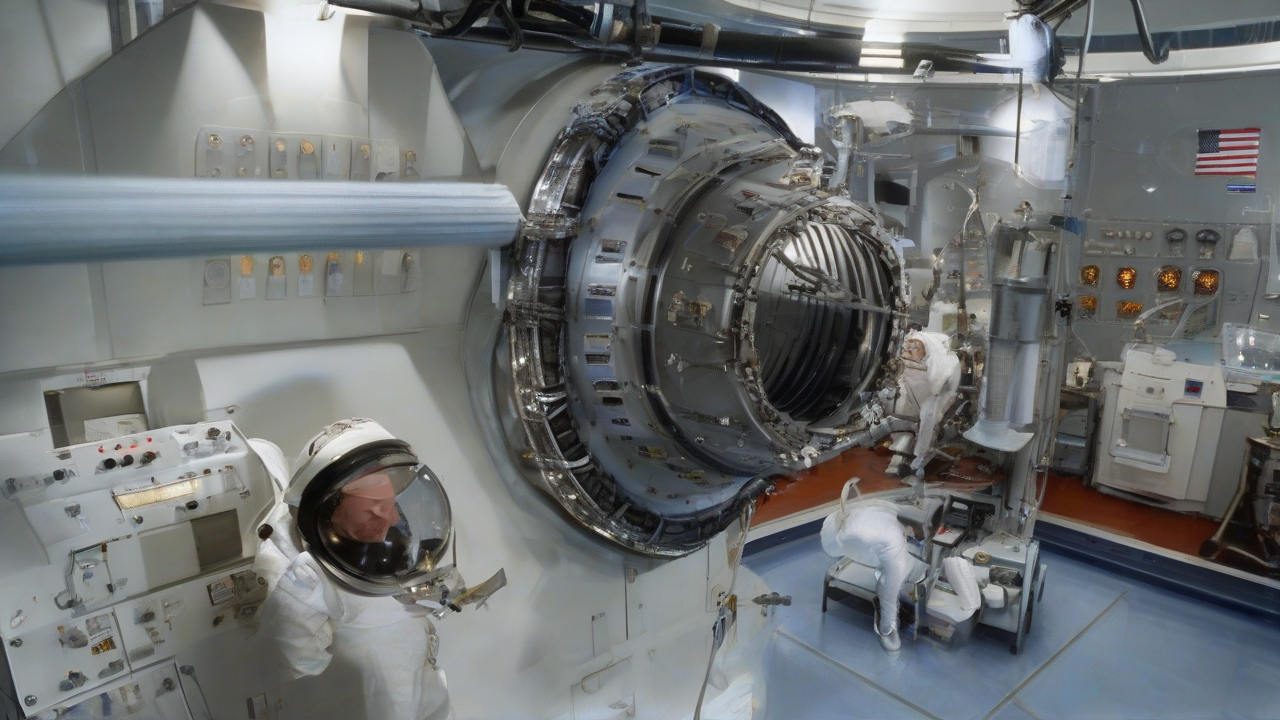
A significant advancement in friction stir welding has been achieved by the NASA Engineering and Safety Center (NESC), as reported by NASA. The NESC developed innovative tools and techniques to address the issue of poor tensile strength and low topography anomalies in welds formed using self-reacting friction stir welding (SRFSW). This breakthrough is expected to have a substantial impact on the manufacturing industry, particularly in the production of high-strength, lightweight materials.
The Challenge of Friction Stir Welding
Friction stir welding is a solid-state welding process that has gained popularity in recent years due to its ability to produce high-quality welds without melting the material. However, the process has been plagued by issues of poor tensile strength and low topography anomalies, which can compromise the integrity of the weld. The NESC’s assessment aimed to identify the root cause of these problems and develop solutions to improve the welding process.
A Combination of Techniques
According to NASA, the NESC used a combination of techniques to improve the friction stir welding process. By leveraging their expertise and resources, the team was able to develop innovative tools and methods that address the specific challenges associated with SRFSW. The exact details of these techniques are outlined in a report published by NASA, which provides a comprehensive overview of the NESC’s findings and recommendations.
Implications and Applications
The improved friction stir welding process has significant implications for various industries, including aerospace, automotive, and construction. The ability to produce high-strength, lightweight materials with improved weld quality can lead to increased efficiency, reduced costs, and enhanced safety. Analysts note that this breakthrough can also enable the development of new materials and structures that were previously impossible to produce using traditional welding methods.
Expert Perspective
Observers point out that the NESC’s achievement demonstrates the importance of collaborative research and development in addressing complex technical challenges. The move signals a significant shift towards more efficient and effective welding processes, which can have a profound impact on the manufacturing industry. As reported by NASA, the NESC’s innovative approach to friction stir welding has the potential to revolutionize the way materials are joined and shaped.
Future Developments
As the manufacturing industry continues to evolve, it is likely that the improved friction stir welding process will play a critical role in shaping the future of materials production. With the NESC’s breakthrough, companies can expect to see improved weld quality, increased efficiency, and reduced costs. Looking ahead, industry watchers will be monitoring the adoption and implementation of this new technology, as well as any potential challenges or limitations that may arise. According to sources, the next step will be to refine and commercialize the process, making it more widely available to manufacturers and industries around the world.
Reader Comments