
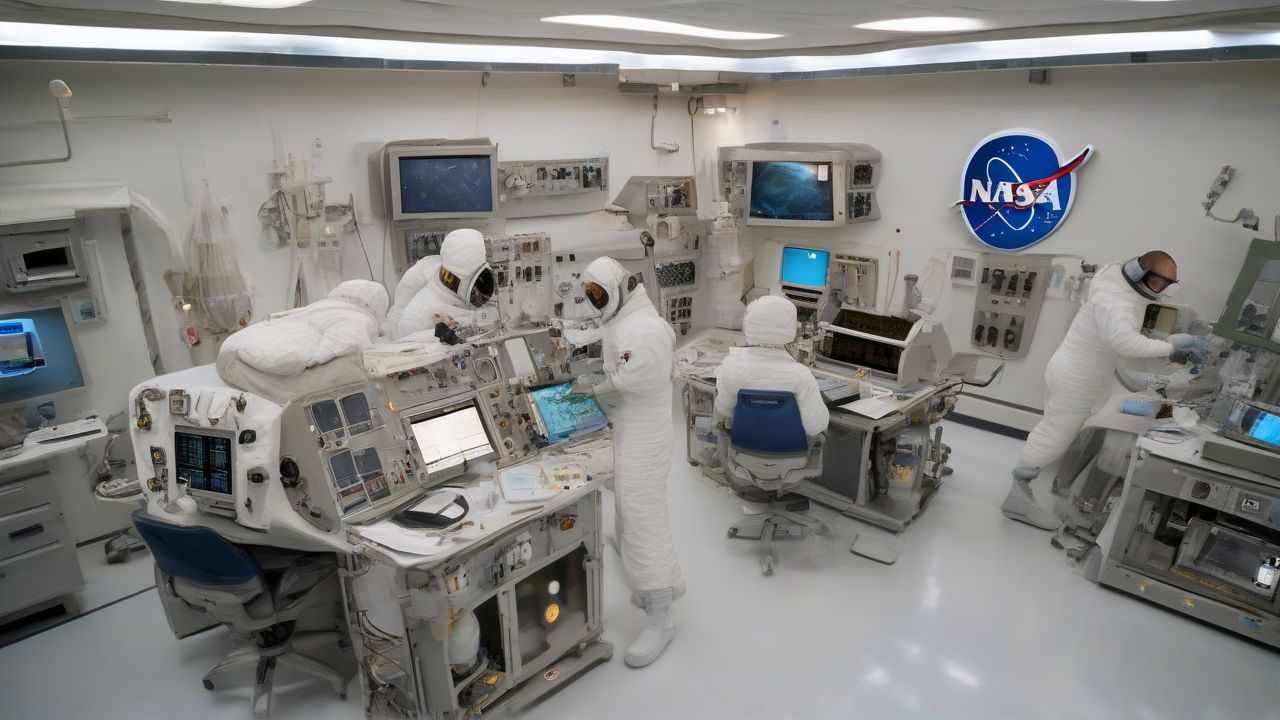
Introduction to a Historic Mission
A major milestone in space exploration is on the horizon, as NASA’s Artemis II mission is set to embark on a groundbreaking journey around the Moon. According to NASA, the crew of the Orion spacecraft, comprising NASA astronauts Reid Wiseman, Victor Glover, and Christina Koch, along with Canadian Space Agency astronaut Jeremy Hansen, will reach space just eight minutes after liftoff. This marks the beginning of an approximately 10-day test flight that promises to be a pivotal moment in the history of space travel.
The Mission’s Objectives and Significance
Analysts note that the Artemis II mission is a crucial step towards returning humans to the lunar surface by 2025. The mission’s primary objective is to test the Orion spacecraft and its crew in a lunar flyby, paving the way for future manned missions to the Moon and beyond. Observers point out that this mission is significant not only for its scientific value but also for its potential to inspire a new generation of space enthusiasts and scientists. As reported by NASA, the success of Artemis II will have far-reaching implications for the future of space exploration, with potential applications in fields such as astronomy, geology, and materials science.
The Crew’s Journey and Challenges
The crew of the Orion spacecraft will face numerous challenges during their 10-day journey, including navigating the harsh conditions of space, conducting scientific experiments, and testing the spacecraft’s systems. Sources indicate that the astronauts will have to adapt to a microgravity environment, which can affect the human body in various ways, including causing muscle and bone loss. Despite these challenges, the crew is well-prepared, having undergone extensive training to ensure their safety and success.
Impact and Implications
The Artemis II mission has significant implications for the global space community, with many countries and organizations watching with keen interest. The success of this mission could pave the way for international cooperation in space exploration, with potential collaborations between NASA and other space agencies. According to NASA, the mission’s outcomes will also have a major impact on the development of new technologies, including advanced propulsion systems, life support systems, and radiation protection.
What to Watch Next
As the Artemis II mission prepares for liftoff, space enthusiasts and scientists alike are eagerly awaiting the outcome. In the coming weeks, NASA will provide updates on the mission’s progress, including the crew’s activities, scientific experiments, and any challenges they may face. With the mission’s success, the stage will be set for the next major milestone in space exploration: the return of humans to the lunar surface. As the world watches with bated breath, one thing is certain – the Artemis II mission will be a historic moment in the annals of space travel, marking a major step towards a new era of exploration and discovery.
Reader Comments