
Introduction to a New Era in Space Exploration
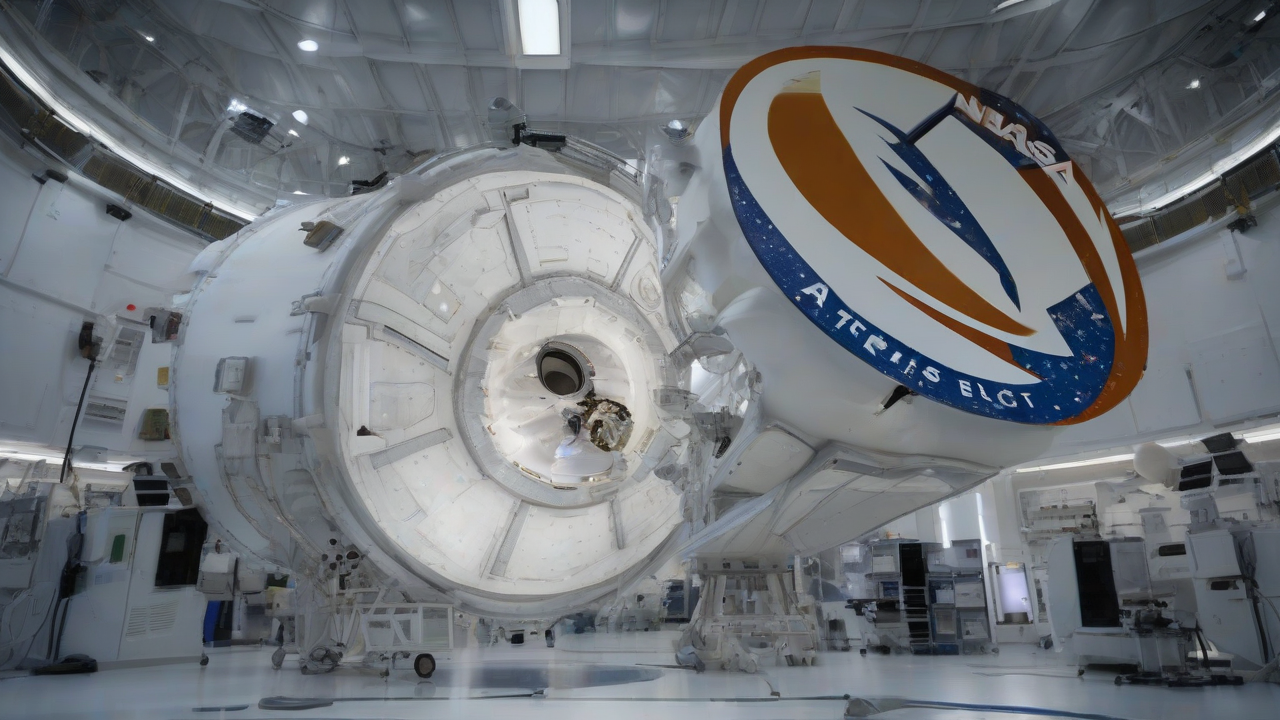
A significant milestone in space travel is on the horizon, as NASA’s Artemis II mission is set to embark on a historic journey around the Moon. According to NASA, the mission will launch with a crew of four experienced astronauts, including NASA’s Reid Wiseman, Victor Glover, and Christina Koch, as well as Canadian Space Agency astronaut Jeremy Hansen. As reported by NASA, the Orion spacecraft is expected to reach space approximately eight minutes after liftoff, marking the beginning of a 10-day test flight.
The Mission’s Objectives and Significance
Analysts note that the Artemis II mission is a crucial step towards establishing a sustainable human presence on the lunar surface. Observers point out that the mission’s success will pave the way for future lunar expeditions, including the Artemis III mission, which aims to return humans to the Moon by 2025. The move signals a significant shift in space exploration, as NASA and its international partners work together to push the boundaries of human knowledge and achievement. According to sources, the mission will provide valuable insights into the performance of the Orion spacecraft and its crew, as well as the effectiveness of the mission’s navigation and communication systems.
The Crew’s Journey and Challenges
As the astronauts venture around the Moon, they will face a range of challenges, including extreme temperatures, radiation exposure, and the psychological effects of prolonged space travel. Experts indicate that the crew will have to work together seamlessly to overcome these challenges and ensure the success of the mission. The stakes are high, as the mission’s outcome will have significant implications for the future of space exploration. According to NASA, the crew will conduct a series of scientific experiments and tests, including a lunar flyby and a return journey to Earth.
Impact and Implications
The Artemis II mission is expected to have a significant impact on the space industry, as well as on the general public. Analysts note that the mission’s success will inspire a new generation of scientists, engineers, and astronauts, and will help to drive innovation and investment in the space sector. Observers point out that the mission will also provide valuable insights into the effects of space travel on the human body, which will be crucial for future long-duration missions to the Moon and beyond. As reported by NASA, the mission will be closely monitored by scientists and engineers, who will be analyzing the data and results in real-time.
What to Watch Next
As the Artemis II mission prepares for launch, space enthusiasts and experts alike will be watching closely to see how the mission unfolds. According to NASA, the mission is scheduled to launch in the near future, with a series of updates and press conferences planned to keep the public informed. Sources indicate that the mission’s success will depend on a range of factors, including the performance of the Orion spacecraft, the crew’s ability to work together, and the effectiveness of the mission’s navigation and communication systems. As the mission progresses, observers will be looking for signs of success, including the crew’s safe return to Earth and the completion of the mission’s scientific objectives.
Reader Comments