
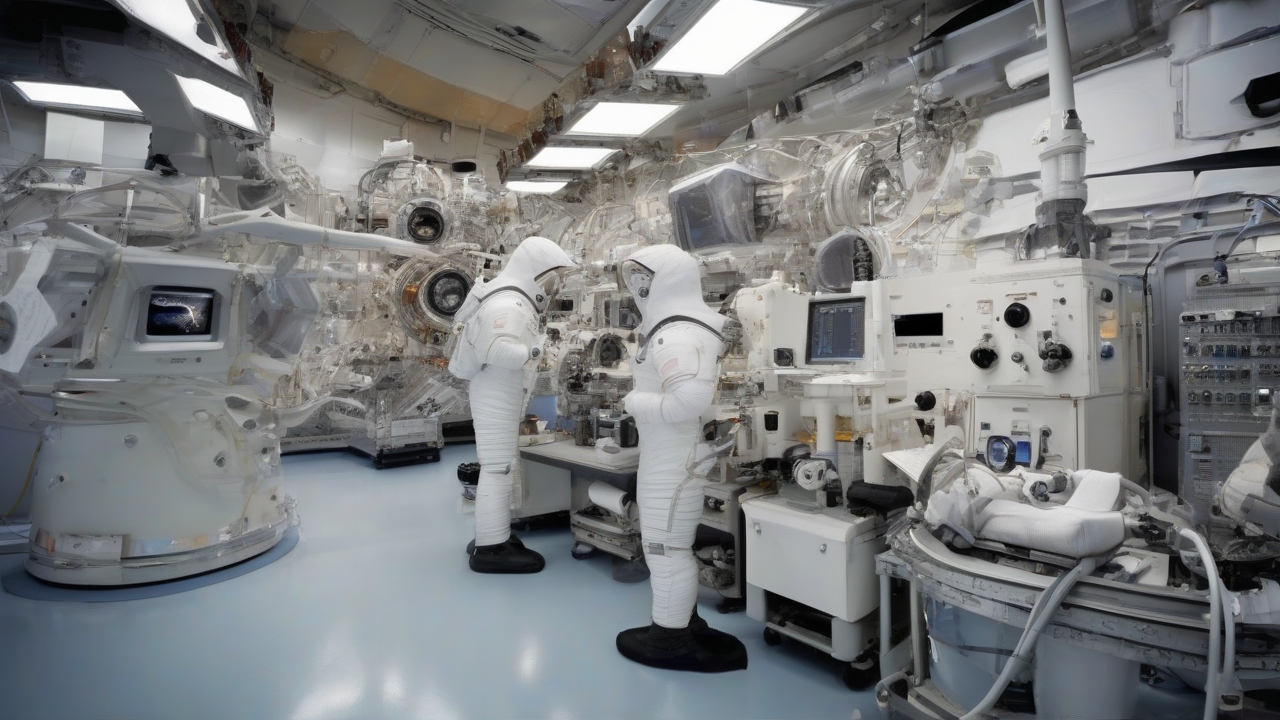
A Century of Innovation: Celebrating 100 Years of Modern Rocketry
As the world marks a major milestone in space exploration, analysts note that the first liquid-fueled rocket launch, which took place 100 years ago, has had a profound impact on the development of modern rocketry. According to NASA, this groundbreaking achievement, made possible by Robert Goddard’s pioneering work, has paved the way for numerous breakthroughs in space travel and exploration. The New York Times reports that Goddard’s launch, which occurred in a Massachusetts cabbage patch, was a pivotal moment in the history of spaceflight, signaling the beginning of a new era in rocket science.
The Significance of Goddard’s Achievement
Observers point out that Goddard’s innovation was not just about launching a rocket, but about demonstrating the feasibility of liquid-fueled propulsion, which has become a cornerstone of modern space exploration. As reported by Ars Technica, Goddard’s design and engineering expertise have inspired generations of scientists and engineers, shaping the course of space travel and exploration. The Wall Street Journal notes that Goddard’s achievement has had far-reaching implications, enabling the development of more powerful and efficient rockets that have taken humans to the moon and beyond.
Impact on Space Exploration
The impact of Goddard’s achievement on space exploration cannot be overstated. According to NASA, the development of liquid-fueled rockets has enabled the agency to launch numerous successful missions, including the Apollo moon landings and the International Space Station. Sources indicate that the technology has also been used in a variety of other applications, including satellite launches and space probes. As noted by Space, the legacy of Goddard’s achievement continues to inspire new generations of scientists and engineers, driving innovation and advancement in the field of space exploration.
Looking to the Future
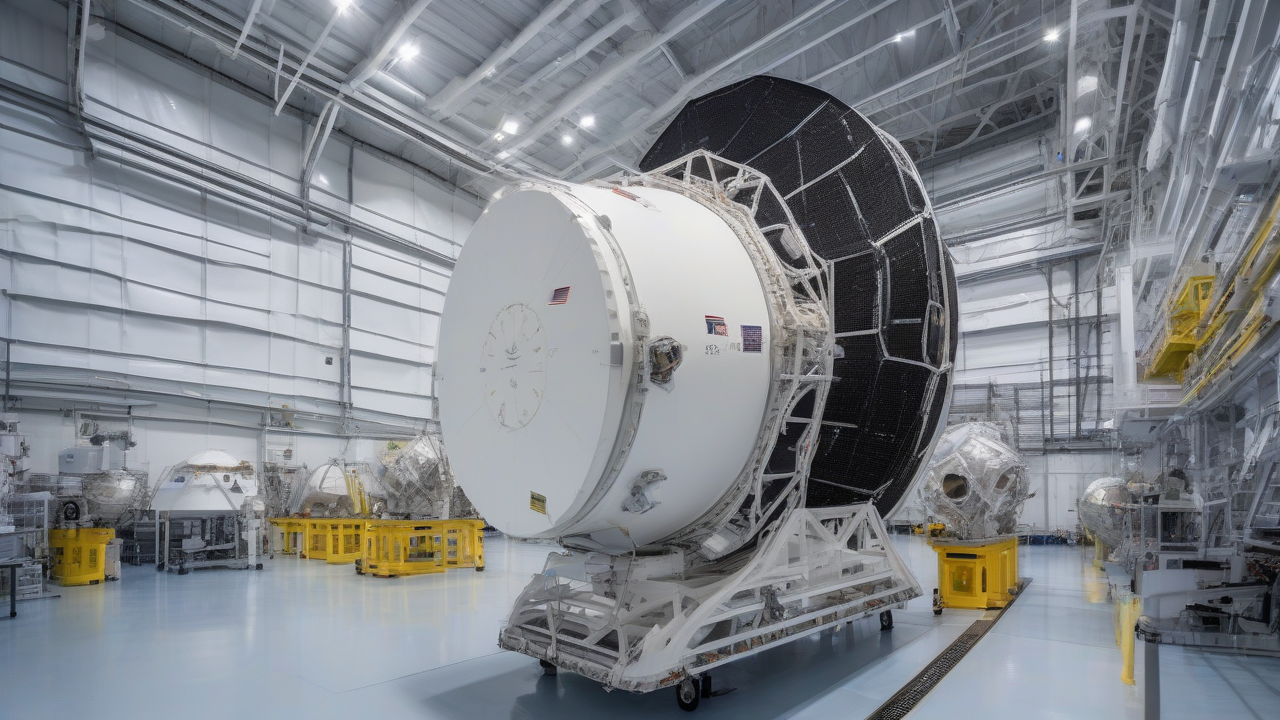
As the world looks to the future of space exploration, analysts note that the next 100 years are likely to be shaped by continued innovation and advancement in rocket technology. According to NASA, the agency is currently working on a new generation of rockets, including the Space Launch System (SLS) and the Orion spacecraft, which are designed to take humans deeper into space than ever before. The New York Times reports that private companies, such as SpaceX and Blue Origin, are also playing a major role in the development of new rocket technologies, driving competition and innovation in the industry. As the world celebrates 100 years of modern rocketry, it is clear that the future of space exploration is bright, with numerous exciting developments on the horizon.
Reader Comments