
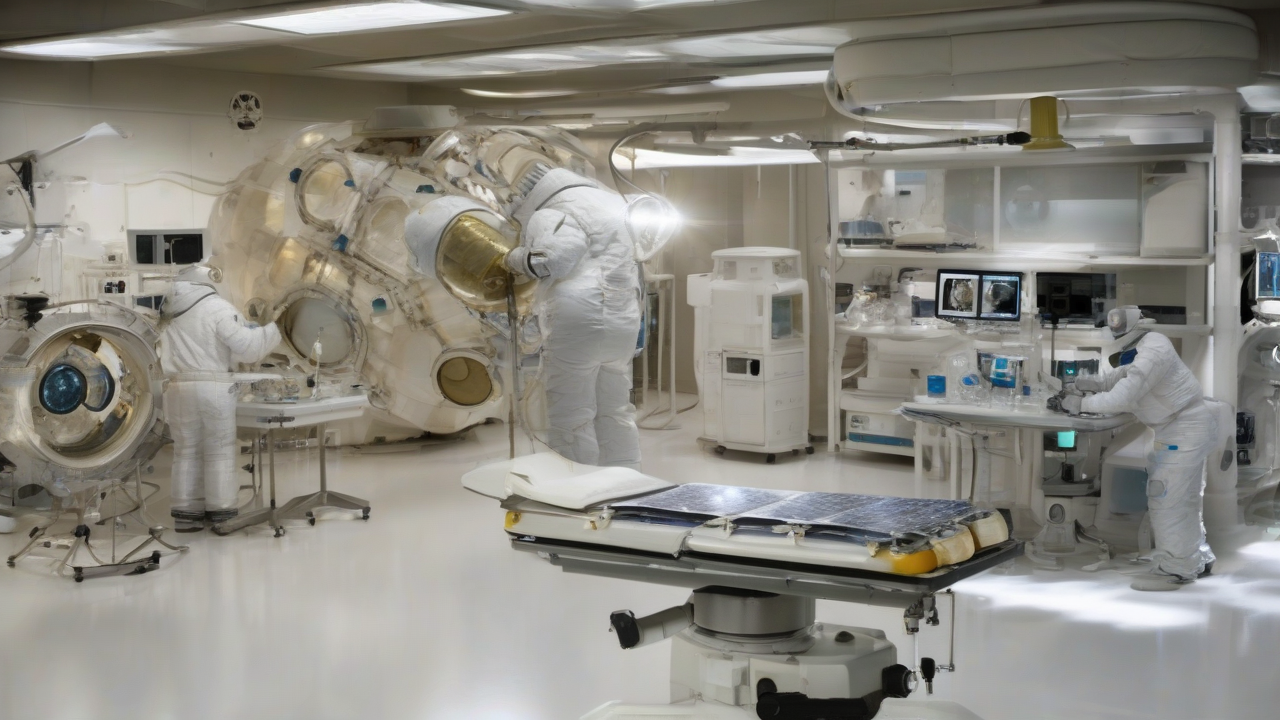
Space Travel Risks: NASA’s Vigilant Eye on Solar Activity
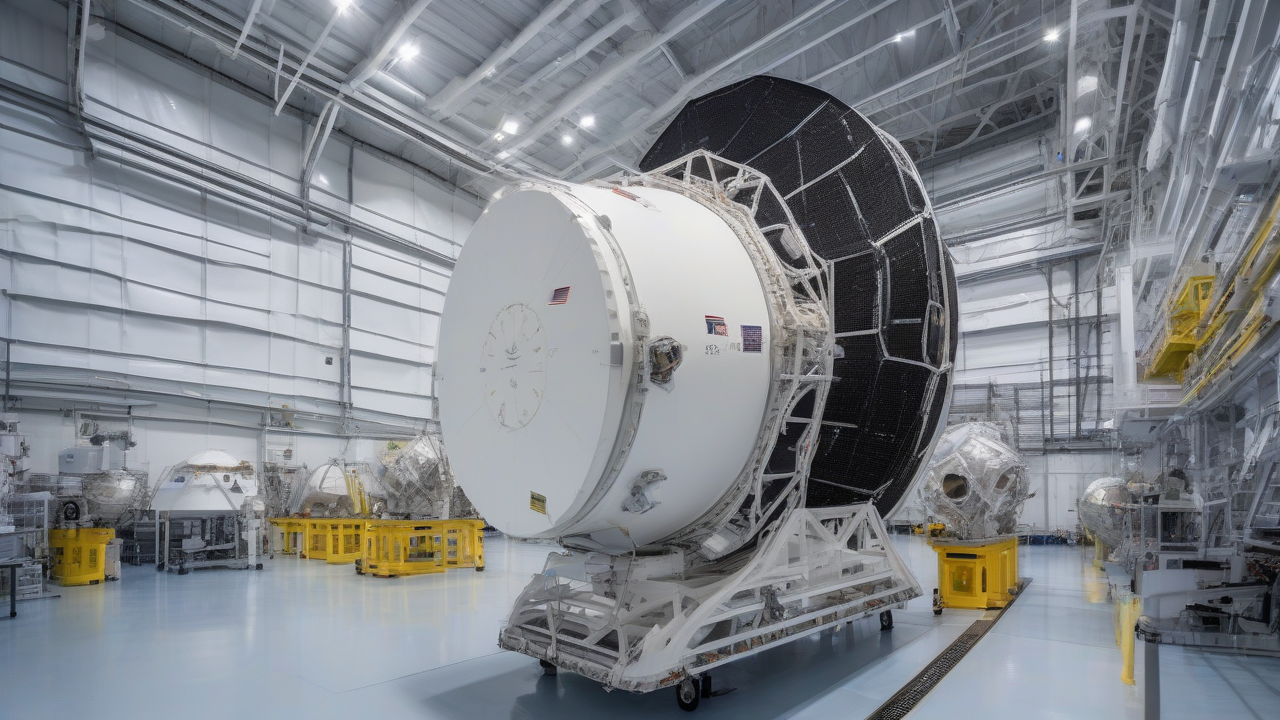
As the highly anticipated Artemis II mission prepares to send four astronauts on a historic journey around the Moon, NASA experts are keenly focused on a critical aspect of space travel: protecting the crew from the intense power of the Sun. According to NASA, the astronauts will venture beyond Earth’s protective magnetic field, relying on the Orion spacecraft as their primary shield against the harsh conditions of deep space.
The Importance of Solar Monitoring
The Sun’s intense radiation and energetic particles pose a significant threat to both the astronauts and the electronic systems on board the spacecraft. To mitigate this risk, NASA is working closely with the National Oceanic and Atmospheric Administration (NOAA) to monitor solar activity during the 10-day flight. As reported by NASA, this collaboration will enable the agencies to anticipate and respond to any potential solar storms that could impact the mission.
Expert Analysis: Understanding the Risks
Analysts note that the Artemis II mission marks a crucial step in NASA’s plans to return humans to the lunar surface by 2025. The success of this mission will depend on the ability of the Orion spacecraft to protect the crew from the harsh conditions of space. Observers point out that the spacecraft’s design and the careful monitoring of solar activity are critical components of this effort. According to sources, NASA’s experience in monitoring solar activity will be invaluable in ensuring the safety of the astronauts on board.
Impact on Space Exploration
The Artemis II mission is not only a significant step in NASA’s lunar exploration plans but also an important milestone in the development of deep space travel capabilities. The agency’s ability to protect astronauts from the risks associated with space travel will be crucial in enabling longer-duration missions to the Moon and beyond. As the space agency pushes the boundaries of human spaceflight, the stakes are high, and the success of this mission will have far-reaching implications for the future of space exploration.
What’s Next: Upcoming Developments
As the Artemis II mission approaches, NASA will continue to work closely with NOAA to monitor solar activity and ensure the safety of the astronauts on board. With the mission scheduled to launch in the near future, space enthusiasts and experts alike will be watching closely to see how the agency’s careful planning and preparation pay off. According to NASA, the success of this mission will pave the way for future lunar missions and ultimately, a manned mission to Mars. Sources indicate that the next major milestone will be the launch of the Artemis III mission, which will mark the first time humans have visited the lunar surface since the Apollo era.
Reader Comments