
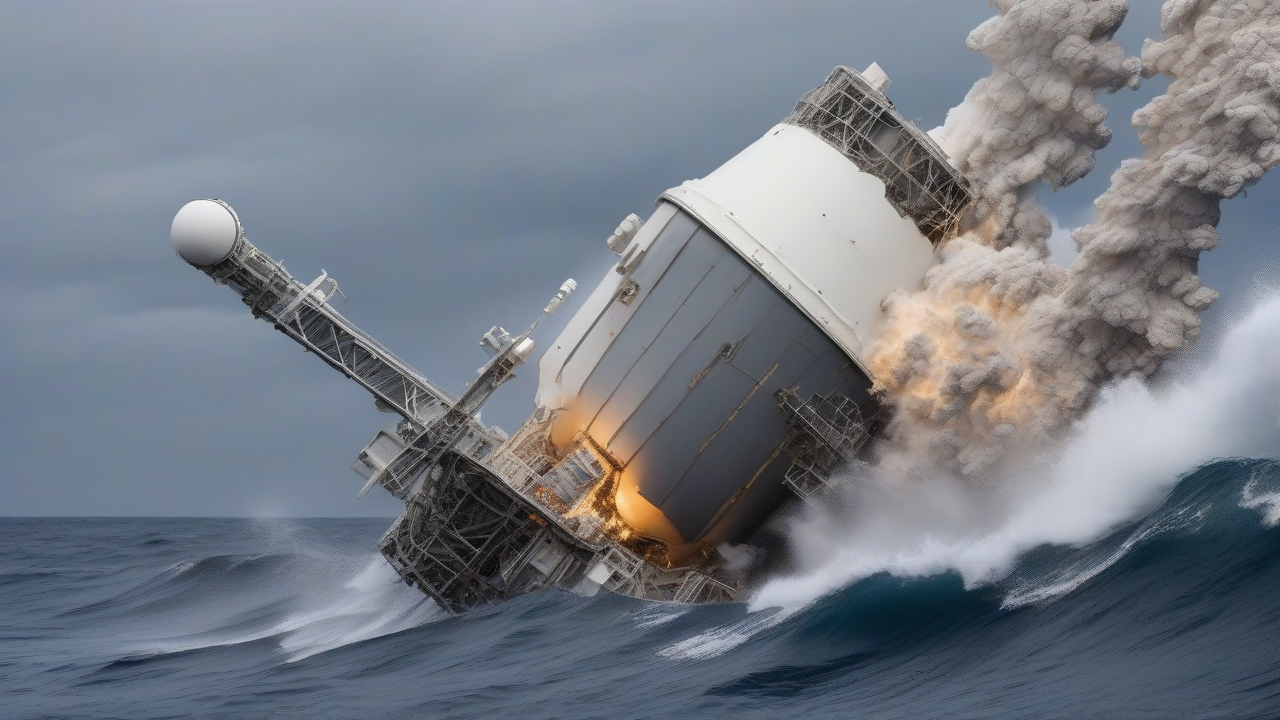
Uncontrolled Re-entry: NASA Satellite Crashes into Eastern Pacific Ocean
In a dramatic conclusion to its operational life, a 1,300-pound NASA satellite has crashed back to Earth, making an uncontrolled re-entry into the planet’s atmosphere over the eastern Pacific Ocean. According to reports from NASA and as documented by space observation outlets, the re-entry of the Van Allen Probe A marks the end of an era for a spacecraft that has significantly contributed to our understanding of the Earth’s radiation belts.
Background and Mission Significance
The Van Allen Probe A, part of the Van Allen Probes mission launched in 2012, was designed to study the Earth’s radiation belts and the dynamic variations that occur within them. Over its operational lifetime, the spacecraft has provided invaluable data, enhancing our comprehension of space weather and its impact on both satellites in orbit and technological systems on Earth. Analysts note that the mission’s findings have been crucial in the development of more resilient space exploration technologies and in understanding the hazards posed by space radiation to both human explorers and electronic systems.
Risks and Implications of Uncontrolled Re-entry
Observers point out that while the risk of damage from falling debris is considered small, the uncontrolled nature of the satellite’s re-entry poses challenges in predicting exactly where and when the spacecraft would break apart and potentially drop debris. The move signals a careful watch by space agencies and debris tracking entities to ensure public safety and to study the re-entry process for future reference. As reported by CNN, NASA and other space agencies have been monitoring the satellite’s descent closely, providing updates on the expected re-entry window.
Global Response and Coordination
The international community, including space agencies and scientific organizations, has been alerted to the re-entry, highlighting the global coordination and vigilance required in managing space debris and ensuring the safety of populations potentially at risk. According to abcnews.com, the re-entry of the satellite over the eastern Pacific Ocean was expected to occur with minimal risk to populated areas, thanks to careful tracking and prediction by NASA and international partners.
Impact Analysis and Future Considerations
The re-entry of the Van Allen Probe A affects not only the scientific community, which will now have to rely on other missions for data on the Earth’s radiation belts, but also raises awareness about the increasing issue of space debris. Experts indicate that as more satellites are launched into orbit, the risk of collisions and the accumulation of debris in Earth’s orbit become more significant concerns. The incident underscores the need for sustainable space practices, including the development of technologies and protocols for the safe disposal of satellites at the end of their operational lives.
Forward-Looking Considerations
As the space community reflects on the successful mission and eventual re-entry of the Van Allen Probe A, attention turns to upcoming satellite launches and the measures being taken to mitigate the risks associated with space debris. Upcoming decisions on international regulations regarding satellite disposal and the development of new technologies for debris removal will be critical in addressing these challenges. According to sources, including Universe Today, the future of space exploration will depend on balancing the benefits of satellite technology with the need to protect Earth’s orbit from hazardous debris.
Conclusion and Next Steps
The crash of the Van Allen Probe A into the eastern Pacific Ocean marks a significant event in the history of space exploration, highlighting both the achievements of space missions and the challenges posed by the increasing presence of human-made objects in orbit. As the world watches for the next developments in space technology and policy, the importance of international cooperation, scientific research, and responsible space stewardship will continue to grow. With the re-entry of the Van Allen Probe A, the stage is set for a renewed focus on sustainable space practices and the safe management of space debris, ensuring that future generations can continue to explore and benefit from space without jeopardizing Earth’s environment.
Reader Comments