
Uncontrolled Reentry: NASA Spacecraft Crashes into Pacific Ocean
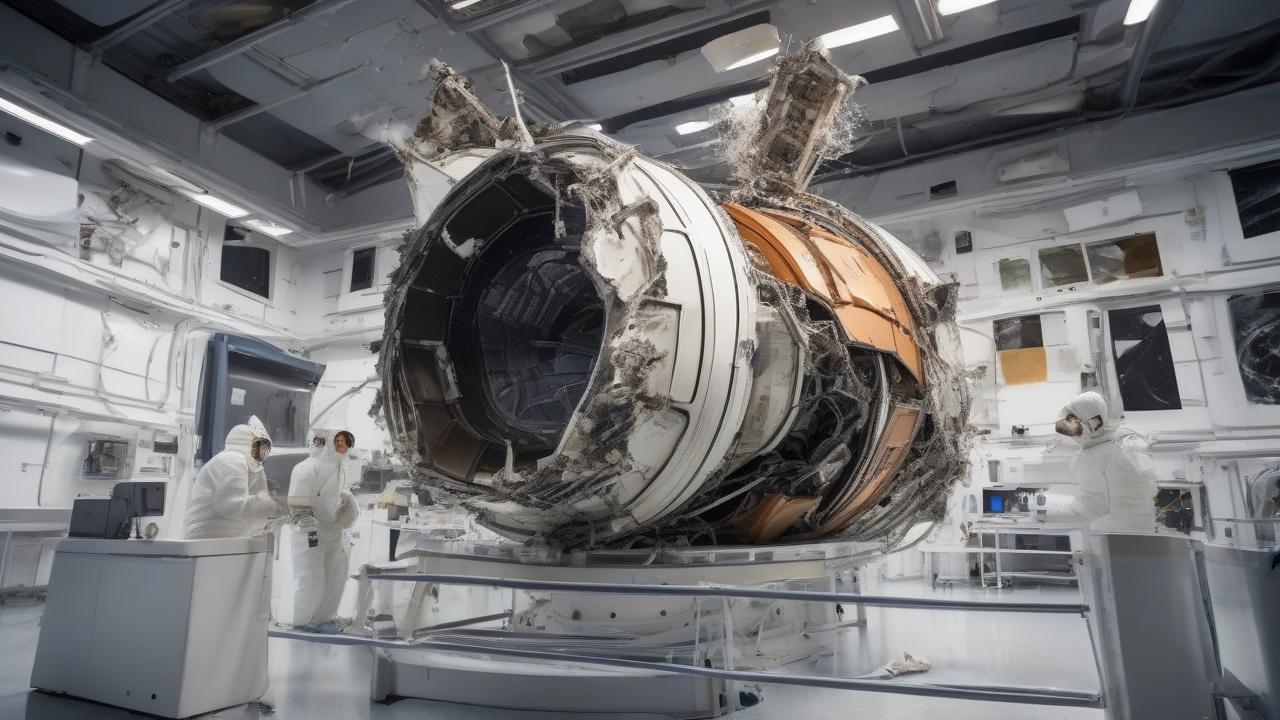
In a dramatic conclusion to its 14-year mission, a NASA spacecraft has crashed back to Earth in an uncontrolled reentry, splashing down in the eastern Pacific Ocean. According to reports from NASA, as cited by ScienceAlert, the Van Allen Probe A, weighing approximately 1,300 pounds, reentered the Earth’s atmosphere, marking the end of its successful orbit.
A Legacy of Space Exploration
The Van Allen Probe A was part of a duo of spacecraft launched in 2012 to study the Van Allen Radiation Belts, a region of intense radiation surrounding the Earth. Observers point out that the mission has significantly expanded our understanding of space weather and its impact on the Earth’s magnetic field. Analysts note that the data collected by the Van Allen Probes has been invaluable in helping scientists predict and prepare for potential radiation storms that could affect both astronauts and electronic systems in space.
Implications of the Crash
The uncontrolled reentry of the spacecraft has raised questions about the safety and environmental impact of such events. Experts emphasize that the risk of damage or injury from falling spacecraft debris is minimal, given the vastness of the ocean and the remote location of the splashdown. However, the move signals a growing need for more sustainable and responsible practices in space exploration, including the development of technologies that can safely deorbit and dispose of spacecraft at the end of their mission.
Impact on the Environment
As reported by BBC, the crash of the Van Allen Probe A has sparked concerns about the potential environmental impact of space debris. While the spacecraft itself is designed to disintegrate upon reentry, leaving little to no debris, the incident highlights the importance of responsible space practices. Sources indicate that NASA and other space agencies are working to develop guidelines and regulations for the safe disposal of spacecraft, minimizing the risk of damage to the environment and human populations.
What’s Next
As the space community continues to monitor the aftermath of the Van Allen Probe A’s reentry, attention is turning to the upcoming missions and the development of new technologies that can mitigate the risks associated with space exploration. According to CNN, NASA is planning to launch a new series of spacecraft designed to study the Earth’s magnetic field and the Van Allen Radiation Belts, building on the legacy of the Van Allen Probes. With the FOX Weather report citing the successful completion of the Van Allen Probe A’s mission, the focus is now on the future of space exploration and the importance of responsible and sustainable practices in the industry.
Looking to the Future
The crash of the Van Allen Probe A serves as a reminder of the complexities and challenges of space exploration. As space agencies and private companies continue to push the boundaries of space travel and research, the need for careful planning, sustainable practices, and international cooperation becomes increasingly important. With the eastern Pacific Ocean splashdown marking the end of an era for the Van Allen Probes, the space community is looking to the future, driven by a shared passion for discovery and a commitment to responsible exploration of the cosmos.
Reader Comments