
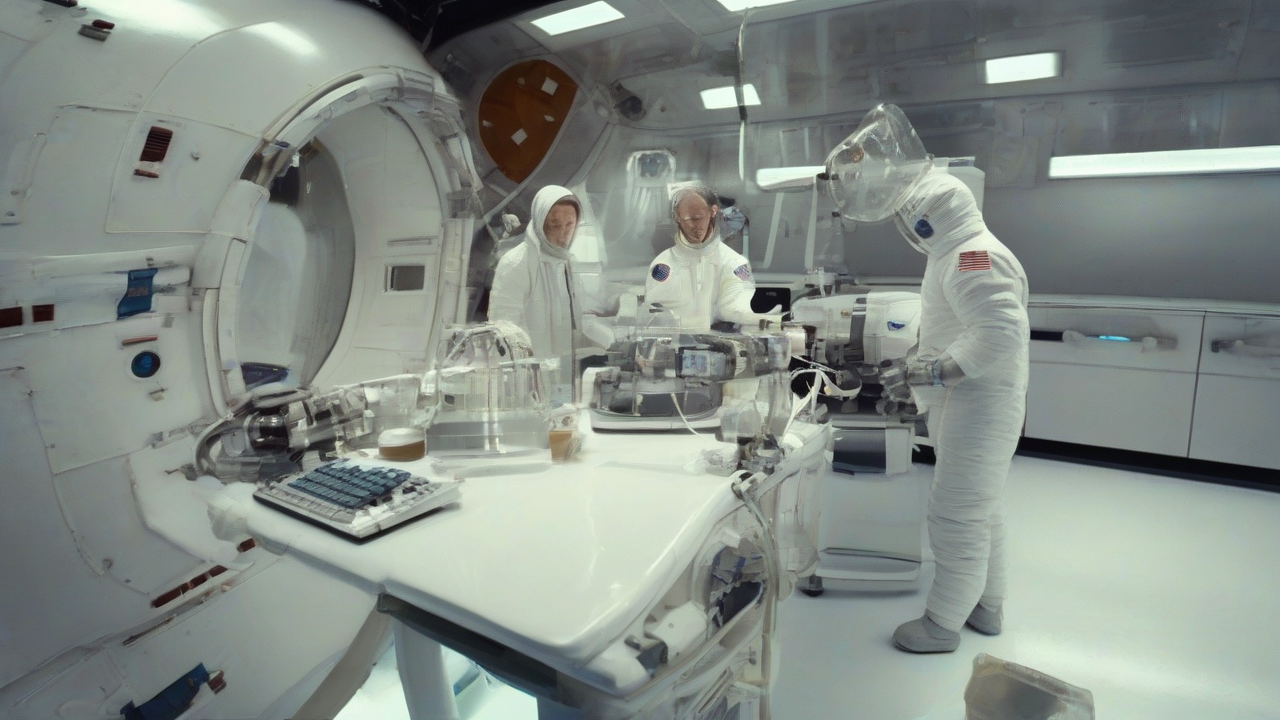
Understanding the Role of Biofilms in Space Exploration
A recent study conducted by NASA volunteers has shed light on the adaptability of biofilms in space, a crucial aspect of understanding the behavior of microorganisms in extraterrestrial environments. According to NASA, biofilms are complex communities of microorganisms that adhere to each other and to surrounding surfaces, playing a vital role in various ecosystems on Earth.
The Importance of Biofilms
Biofilms are intricately linked to life on our planet, facilitating essential functions in both human and plant systems. They can be found in diverse environments, from aquatic ecosystems to the human body, where they contribute to various processes such as digestion and immune system function. Analysts note that the study of biofilms is essential to understanding the intricacies of life on Earth and potentially in space.
Implications for Space Exploration
The NASA study signals a significant step forward in understanding how biofilms adapt to microgravity environments, a crucial aspect of long-duration space missions. Observers point out that the behavior of microorganisms in space can have significant implications for the health and safety of astronauts, as well as the potential for contamination of spacecraft and equipment. As reported by NASA, the study’s findings can inform the development of strategies to mitigate the risks associated with biofilm growth in space.
The Study’s Findings
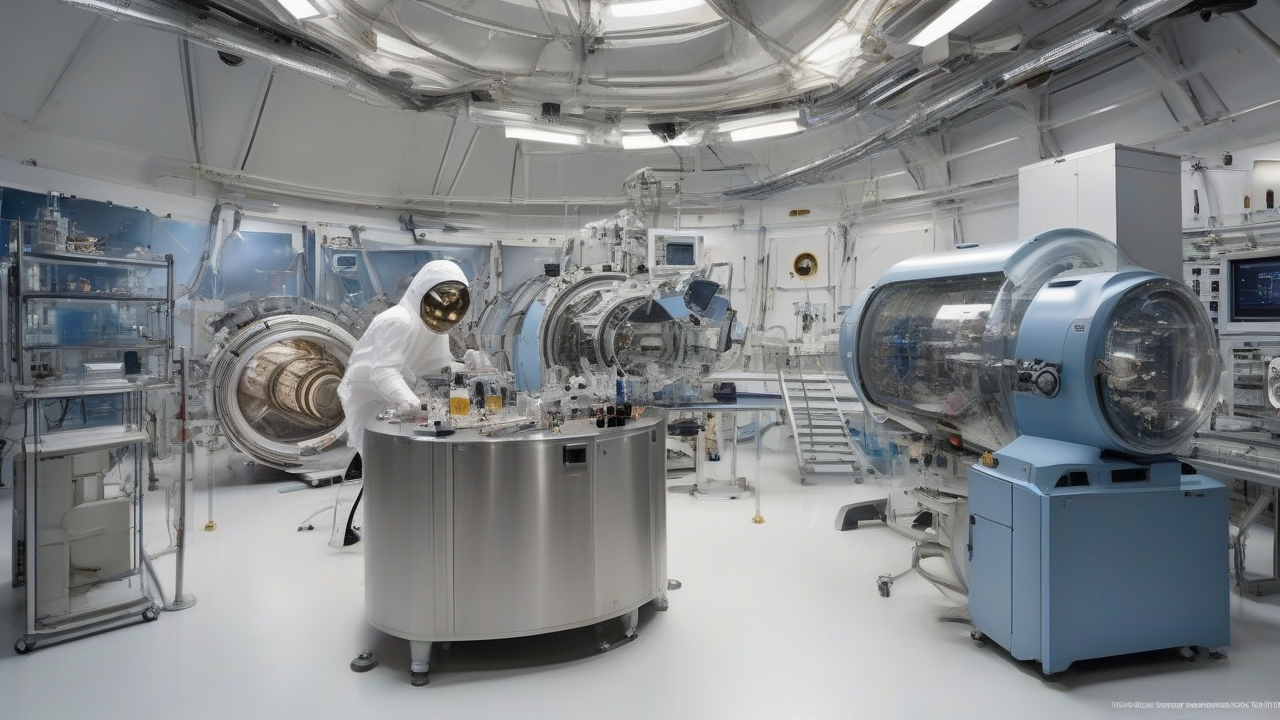
According to sources, the NASA study involved the use of a specialized facility to simulate microgravity conditions, allowing researchers to observe the behavior of biofilms in a controlled environment. The results of the study indicate that biofilms can adapt to microgravity conditions, potentially leading to changes in their behavior and interactions with surrounding surfaces. Experts note that these findings can have significant implications for the design of spacecraft and equipment, as well as the development of strategies to prevent the growth of biofilms in space.
Impact on Future Space Missions
The study’s findings are expected to have a significant impact on the planning and execution of future space missions. Analysts note that the ability to understand and mitigate the risks associated with biofilm growth can help to ensure the health and safety of astronauts, as well as the success of long-duration missions. As NASA continues to push the boundaries of space exploration, the study of biofilms and their adaptability in space will remain a critical area of research.
What’s Next
As the space agency looks to the future, observers point out that the study of biofilms will play a crucial role in the development of strategies to support long-duration space missions. According to NASA, upcoming studies will focus on the development of techniques to prevent the growth of biofilms in space, as well as the investigation of the potential risks associated with biofilm contamination. With the continued advancement of space exploration, the understanding of biofilms and their behavior in microgravity environments will remain a vital area of research, with significant implications for the success of future missions.
Reader Comments