

Space Exploration Milestone Ahead
A major milestone in space exploration is on the horizon, as NASA sets its sights on sending humans around the Moon for the first time in over five decades. According to the latest update from the space agency, a launch date of March 6 has been targeted for the Artemis II mission, marking a significant step forward in humanity’s quest to venture further into space.
Background and Significance
The Artemis II mission is a crucial component of NASA’s broader ambitions to return humans to the lunar surface by 2025, as part of the Artemis program. This program aims to establish a sustainable presence on the Moon, with the ultimate goal of using the lunar surface as a stepping stone for further human exploration of the solar system. The success of the Artemis II mission would pave the way for the Artemis III mission, which is slated to include the first woman and the first person of color to walk on the Moon.
Recent Developments and Preparations
The decision to target a March 6 launch date follows a successful “wet dress rehearsal” of the Artemis II mission, as reported by the BBC. This rehearsal, which took place recently, was a critical test of the mission’s systems and procedures, and its success has given NASA the confidence to proceed with the launch preparations. The “wet dress rehearsal” involved fueling the rocket and conducting a simulated countdown, allowing the mission team to test the launch sequence and identify any potential issues.
Mission Overview and Objectives
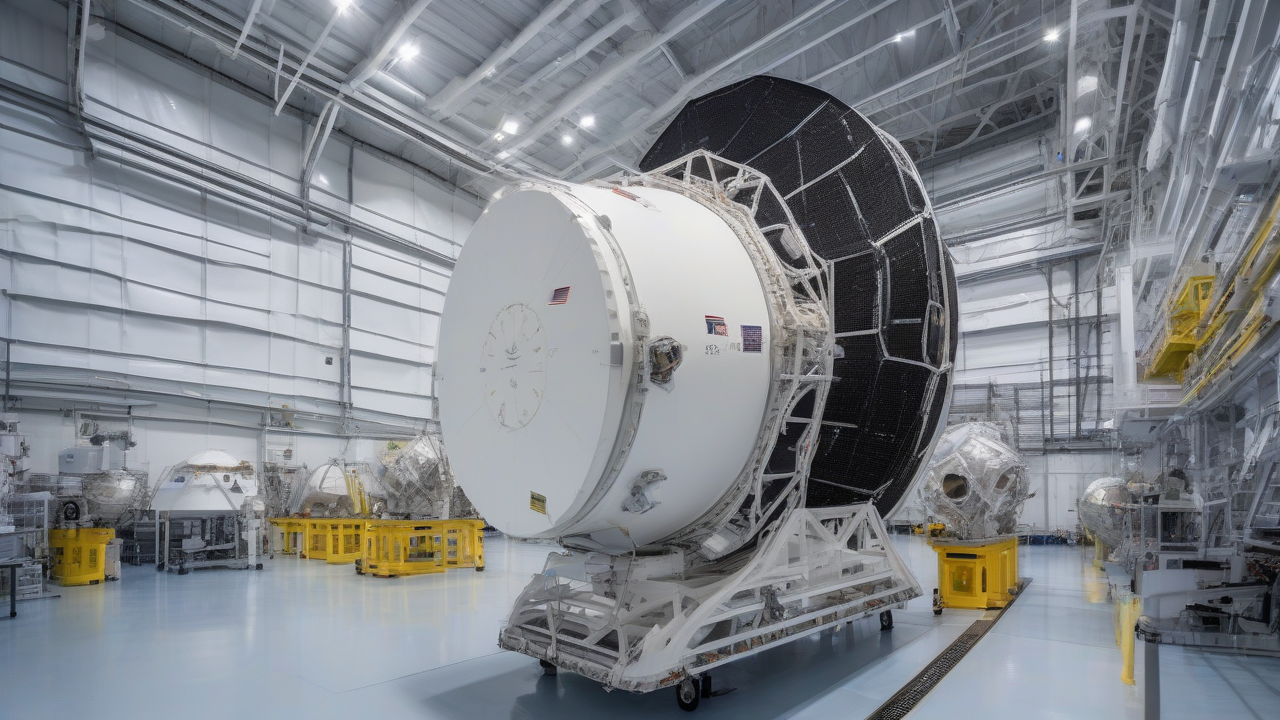
The Artemis II mission will see four astronauts embark on a 10-day journey around the Moon, covering a distance of over 2,000 miles. The mission will test the capabilities of the Orion spacecraft and the Space Launch System (SLS) rocket, which will be used to propel the crew on their journey. The astronauts will fly closer to the Moon than any human has before, and will conduct a series of scientific experiments and tests during their mission.
Impact and Implications
The success of the Artemis II mission would have significant implications for the future of space exploration. It would demonstrate the capability to send humans beyond low-Earth orbit, and would pave the way for further missions to the Moon and beyond. The mission would also provide valuable insights into the effects of long-duration spaceflight on the human body, and would help to inform the development of future missions to Mars and other destinations in the solar system.
What’s Next
As the launch date approaches, NASA will be conducting a series of final checks and tests to ensure that the mission is ready to proceed. The space agency will also be providing regular updates on the mission’s progress, including details of the crew’s training and preparations. With the Artemis II mission, humanity is poised to take a major step forward in space exploration, and the world will be watching with bated breath as the mission unfolds. According to sources, the next major milestone will be the launch of the Artemis III mission, which is currently slated for 2025. However, the success of the Artemis II mission will be crucial in determining the timeline for future missions.


Reader Comments