
Discovery of a New Planet Type
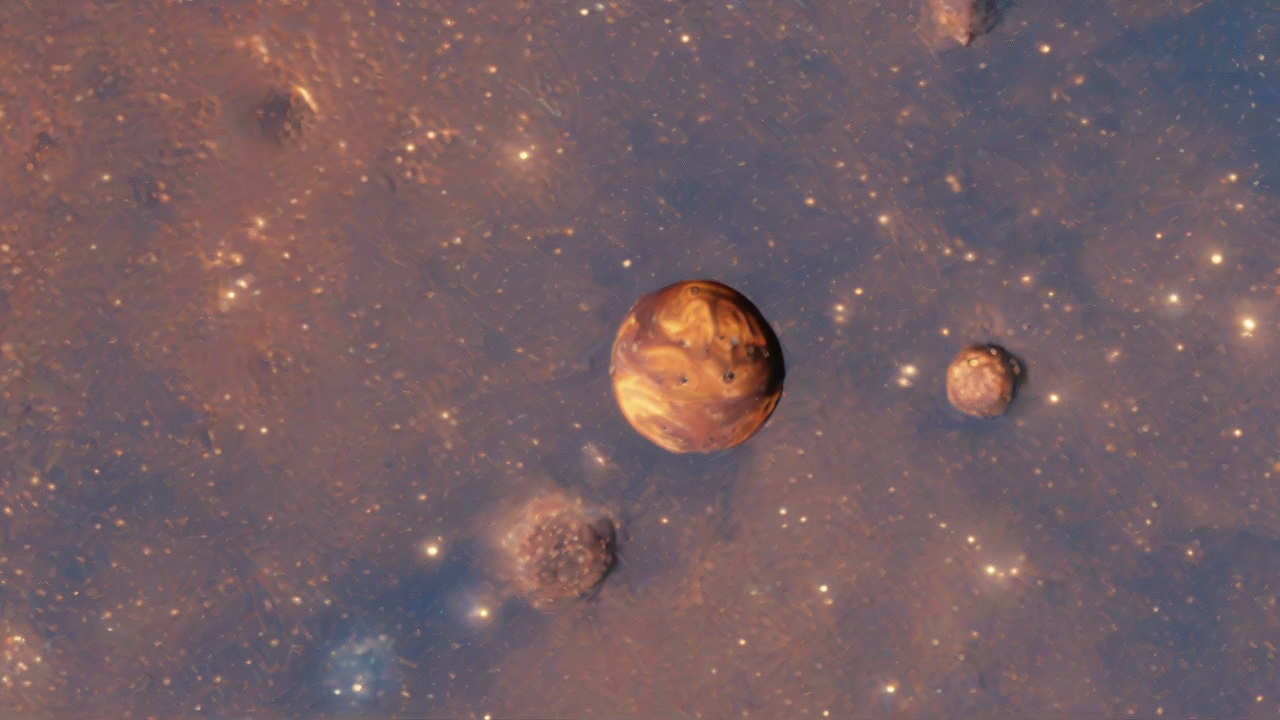
In a groundbreaking finding, scientists have identified a new type of planet that exists in a “molten, mushy state,” according to research published in Nature. This extraordinary discovery was made possible by the study of a planet located 35 light-years from Earth, known as L 98-59 d. As reported by The Guardian, this planet is a super-Earth, with a composition that is vastly different from any other known planet.
A New Class of Planets
The research, which was also covered by IFLScience and the Financial Times, suggests that L 98-59 d is a volatile-rich planet, with a surface that is characterized by a perpetual magma ocean. This means that the planet’s surface is constantly in a state of molten, liquid rock, making it a truly unique and extreme environment. Phys.org notes that this type of planet is thought to store abundant sulfur in its magma ocean, which has significant implications for our understanding of planetary formation and evolution.
Implications for Planetary Science
Analysts note that the discovery of this new type of planet has significant implications for the field of planetary science. As observers point out, the existence of a planet with a molten surface challenges our current understanding of planetary formation and evolution. The move signals a new era in the study of exoplanets, with scientists eager to learn more about these extreme worlds. According to sources, the study of L 98-59 d is providing valuable insights into the formation and evolution of planets, and is helping to shed light on the diversity of planetary environments that exist in the universe.
Impact on Our Understanding of the Universe
The discovery of L 98-59 d is having a major impact on our understanding of the universe, with experts suggesting that this type of planet could be more common than previously thought. As reported by The Guardian, the finding is also raising questions about the potential for life on these extreme worlds. While the conditions on L 98-59 d are unlikely to support life as we know it, the discovery of this planet is expanding our understanding of what is possible in the universe. Sources indicate that further research is needed to fully understand the implications of this discovery, but it is clear that the study of L 98-59 d is opening up new avenues of research in the field of planetary science.
What’s Next
As scientists continue to study L 98-59 d, they are eager to learn more about the composition and evolution of this extreme planet. According to Nature, further research is needed to determine the exact mechanisms that are driving the planet’s molten surface, and to understand the implications of this discovery for our understanding of planetary formation and evolution. With new missions and telescopes coming online in the near future, observers point out that we can expect to learn even more about this fascinating planet and others like it. As the study of exoplanets continues to evolve, it is clear that the discovery of L 98-59 d is just the beginning of a new era in planetary science.


Reader Comments