
Breakthrough in Cryopreservation: Scientists Successfully Revive Brain Activity in Frozen Tissue
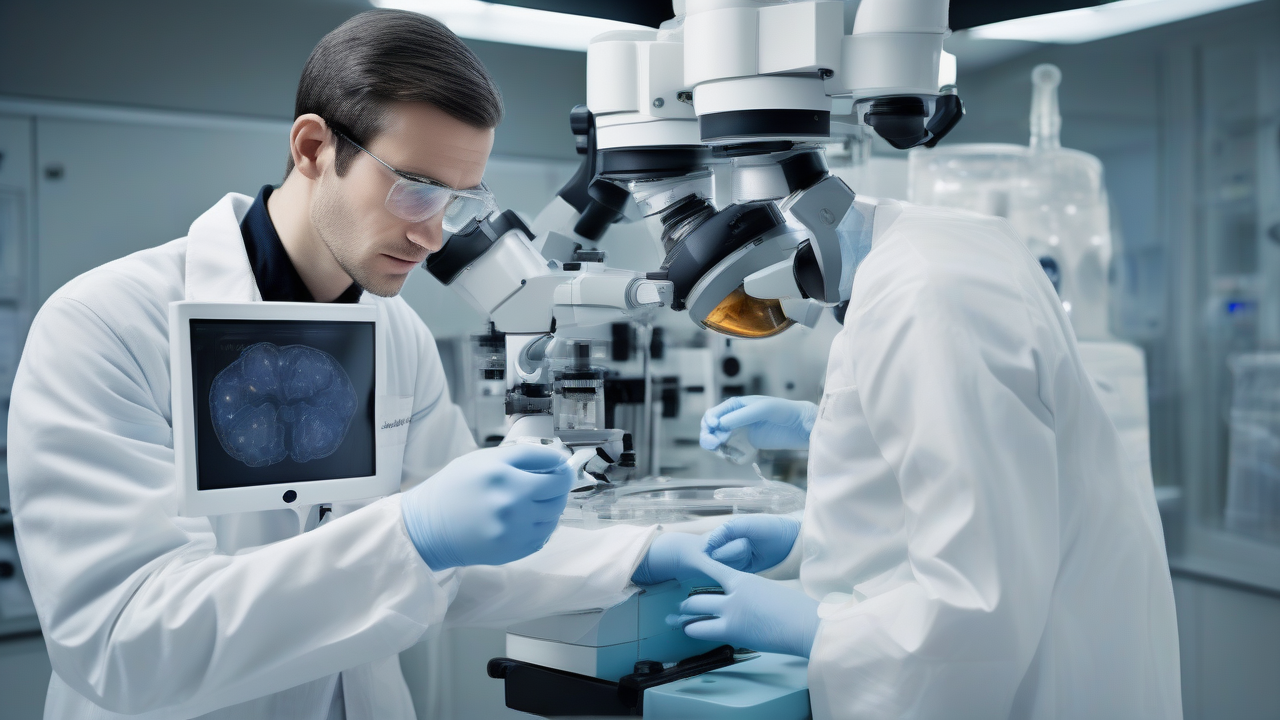
In a groundbreaking achievement, scientists have successfully revived brain activity in frozen mouse brains after seven days in a suspended state, according to a recent study reported by The Daily Galaxy and Scientific American. This unprecedented breakthrough in cryopreservation has significant implications for the field of neuroscience and raises important questions about the potential for preserving human brains in the future.
Context and Significance
The ability to preserve and revive brain tissue has long been a topic of interest in the scientific community, with potential applications in fields such as medicine, neuroscience, and even space exploration. Cryopreservation, the process of preserving tissue or organs at extremely low temperatures, has been explored as a means of preserving brain function and structure. However, until now, reviving brain activity in frozen tissue has proven to be a significant challenge. As reported by IFLScience, the study’s findings suggest that it may be possible to preserve brain tissue at temperatures as low as -196°C and still revive electrical activity after thawing.
Expert Analysis
Analysts note that this breakthrough has the potential to revolutionize our understanding of brain function and behavior. By preserving brain tissue in a frozen state, scientists may be able to study the brain in greater detail, potentially leading to new insights into the causes of neurological disorders and the development of more effective treatments. Observers point out that the study’s findings also raise important questions about the ethics of cryopreservation and the potential for preserving human brains in the future. According to Medical Xpress, the study’s authors suggest that their findings could have significant implications for the field of neuroscience and beyond.
Impact and Implications
The successful revival of brain activity in frozen tissue has significant implications for a range of fields, from medicine to space exploration. For example, the ability to preserve and revive brain tissue could potentially be used to develop new treatments for neurological disorders, such as Alzheimer’s disease or Parkinson’s disease. Additionally, the technology could be used to preserve human brains for potential future use, raising important questions about the ethics of such a practice. As sources indicate, the study’s findings are based on research conducted on mouse brains, and further study is needed to determine the potential applications of this technology in humans.
Looking to the Future
As researchers continue to explore the potential of cryopreservation, several key questions remain to be answered. What are the limitations of this technology, and how can it be improved? What are the potential applications of this technology, and how might it be used in the future? According to Inshorts, the study’s authors suggest that their findings are just the beginning of a new era of research into cryopreservation and its potential applications. As the scientific community continues to study and refine this technology, it will be important to consider the potential implications and ethics of preserving and reviving brain tissue. With further research and development, this breakthrough has the potential to revolutionize our understanding of the brain and its many functions.

Reader Comments