
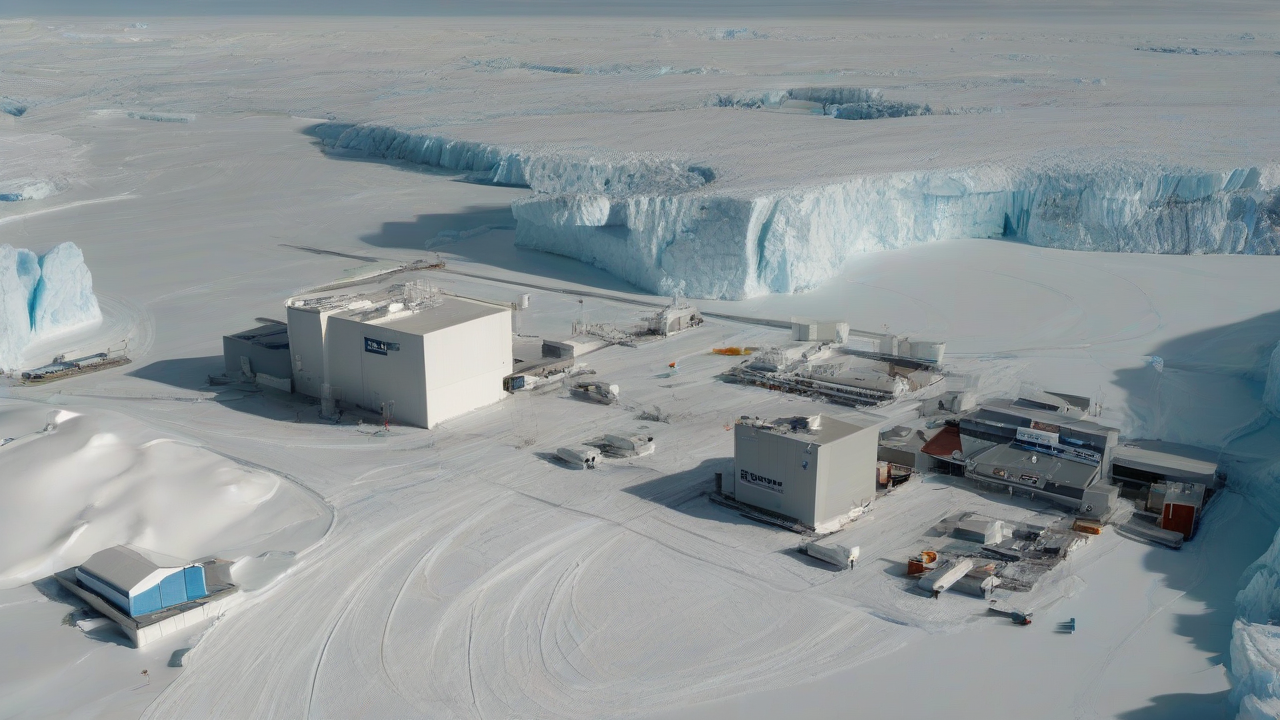
Introduction to a Critical Glacier
The Thwaites Glacier, a key component of the Antarctic ice sheet, is under intense scrutiny due to its potential for significant ice loss. According to recent models reported by Phys.org, this glacier alone could account for as much ice loss as the entire Antarctic continent by 2067. This projection underscores the critical role the Thwaites Glacier plays in the global conversation about climate change and sea-level rise.
Context and Implications
Observers point out that the Thwaites Glacier is often referred to as the “doomsday glacier” due to its potential to raise sea levels dramatically if it were to melt completely. Analysts note that the glacier’s instability is partly due to its unique geography, with parts of it resting on bedrock below sea level, making it more susceptible to melting from underneath by warmer ocean waters. The move signals a significant shift in how scientists understand and predict ice sheet dynamics, emphasizing the need for continuous monitoring and updated models to forecast future changes accurately.
Expert Analysis and Concerns
Experts in the field of glaciology are concerned about the rapid changes observed in the Thwaites Glacier. As reported by Phys.org, the latest models suggest that the rate of ice loss from this glacier could accelerate significantly in the coming decades, contributing substantially to global sea-level rise. This not only poses a threat to coastal communities and ecosystems but also highlights the complexity and urgency of addressing climate change. The implications are far-reaching, with potential impacts on global food security, water resources, and human migration patterns.
Impact on Global Communities
The potential for the Thwaites Glacier to rival the entire Antarctic ice loss by 2067 has profound implications for communities worldwide. Analysts note that sea-level rise associated with such significant ice loss could lead to more frequent and severe coastal flooding, erosion, and saltwater intrusion into freshwater sources. This, in turn, could affect the livelihoods of millions of people living in low-lying areas and islands, displacing communities and threatening biodiversity. The stakes are clear: understanding and mitigating the effects of climate change on glaciers like Thwaites is crucial for global sustainability and security.
Looking Forward
As scientists continue to monitor the Thwaites Glacier and refine their models, the international community awaits critical decisions and developments. Upcoming climate summits and research initiatives will be closely watched for their potential to address the urgent need for climate action. According to sources, including Phys.org, the next few years will be pivotal in determining the fate of glaciers like Thwaites and the future of coastal communities worldwide. The focus will be on translating scientific warnings into tangible policy actions and global cooperation to mitigate the worst effects of climate change.
Conclusion and Next Steps
The warning signs from the Thwaites Glacier serve as a stark reminder of the pressing need for climate action. As the world moves forward, it is essential to prioritize research, international cooperation, and the implementation of policies aimed at reducing greenhouse gas emissions and protecting vulnerable communities. The future of the Thwaites Glacier and, by extension, the stability of the Antarctic ice sheet, hangs in the balance. With precise and timely action, it may still be possible to mitigate the most catastrophic outcomes of climate change, but the window for such action is rapidly closing.


Reader Comments