
Shift in Tournament Setup
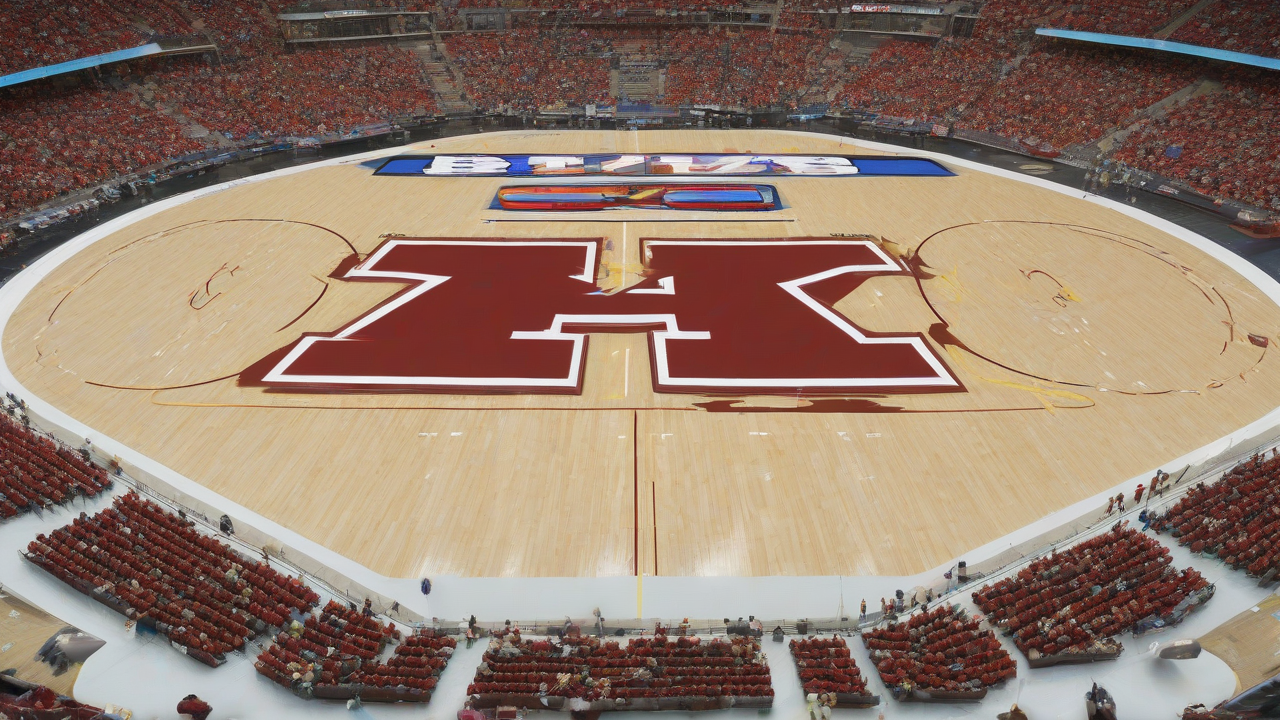
In a move that underscores the importance of player safety and performance, the Big 12 Conference has decided to transition from an LED glass floor to a traditional hardwood court for the remainder of its tournament, according to reports from ESPN and On3. This change comes after significant complaints and concerns were raised about the playing conditions on the innovative, yet problematic, LED court.
Background and Concerns
The use of an LED glass floor was initially seen as a bold step forward in terms of aesthetics and technological integration into sports. However, it quickly became apparent that the surface posed significant challenges for the players. Observers point out that the LED floor was slippery, leading to difficulties in traction and movement, which are critical components of basketball. As reported by The Washington Post, the slippery nature of the floor resulted in injuries, further highlighting the need for a change.
Decision and Implementation
Analysts note that the decision to switch to a hardwood court for the semifinals and final games of the tournament is a pragmatic response to the issues encountered with the LED floor. The Big 12 Commissioner, in an appearance on ESPN, as mentioned by The Topeka Capital-Journal, addressed the situation, emphasizing the conference’s commitment to ensuring the best possible conditions for competition. This move signals a return to a more traditional and proven surface, one that is widely recognized for its safety and playability.
Impact and Implications
The switch to a hardwood court will undoubtedly have a positive impact on the players, allowing them to compete without the unnecessary risks associated with the LED glass floor. Experts in the field suggest that the change will lead to better performances and a reduction in injuries, as players will be able to move more securely and predictably on the court. Furthermore, this decision reflects a broader trend in sports towards prioritizing player safety and well-being, as noted by analysts who follow sports management and administration.
Broader Context
The abandonment of the LED court also raises questions about the integration of technology into sports arenas. While innovation can enhance the spectator experience and provide new avenues for branding and advertising, it must be balanced against the fundamental needs of the athletes. Observers point out that the failure of the LED glass floor in this context serves as a reminder that technological advancements must be carefully considered and tested before implementation, especially when they directly impact player safety and performance.
Forward Look
As the Big 12 Tournament proceeds with its new hardwood court, fans and analysts alike will be watching closely to see how this change affects the dynamics of the games. Upcoming matches will provide valuable insight into whether the switch improves player safety and enhances the overall quality of competition. Moreover, the decision by the Big 12 Conference may set a precedent for other sports organizations considering similar technological innovations, prompting a wider discussion on the role of technology in sports and the importance of prioritizing athlete safety above novelty.
Reader Comments