
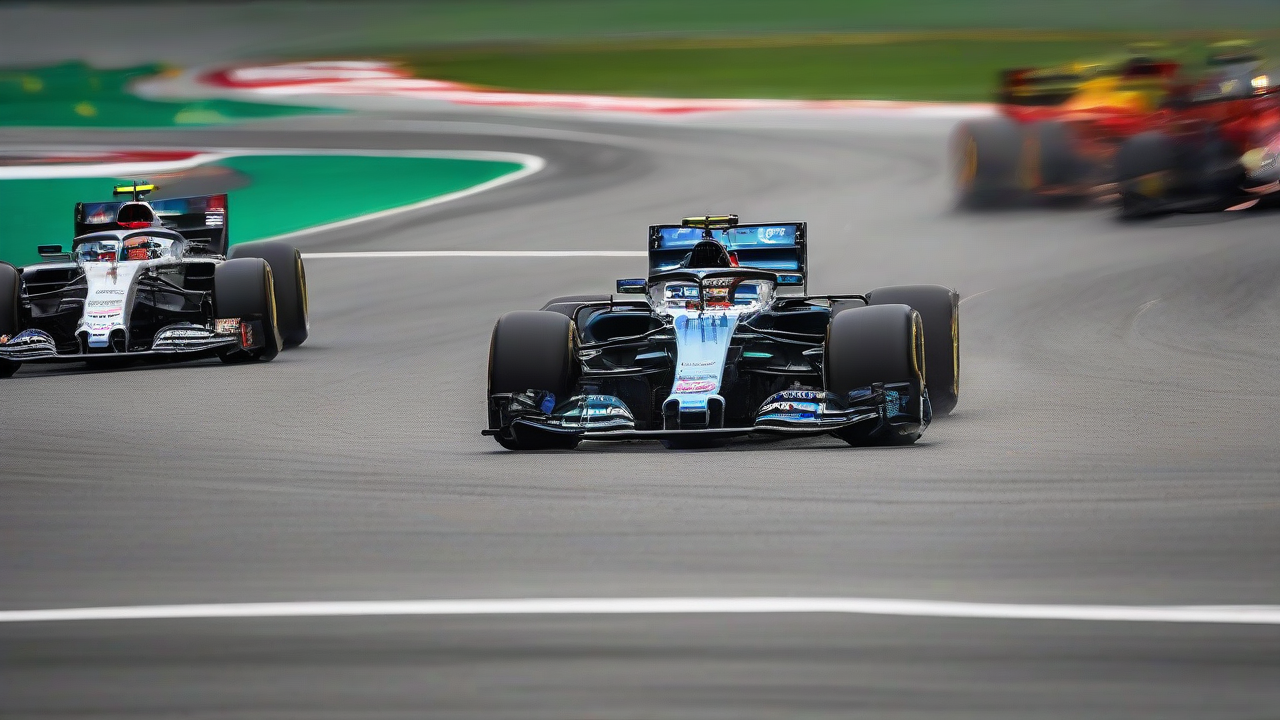
Middle East Conflict Leads to Cancellation of F1 Races
The escalating conflict in the Middle East has resulted in the cancellation of two highly anticipated Formula 1 races, according to reports from Motorsport.com and other reputable sources. The Bahrain and Saudi Arabian Grands Prix, initially scheduled to take place in April, will no longer proceed as planned. This decision comes as a direct consequence of the ongoing tensions in the region, which have raised concerns about the safety and feasibility of hosting international sporting events.
Background and Implications
Observers point out that the cancellation of these races is a significant development, not only for the world of Formula 1 but also for the broader sporting community. The move signals a growing awareness of the potential risks and challenges associated with hosting major events in areas affected by conflict. Analysts note that the decision to cancel the races is likely to have far-reaching implications, impacting not only the teams and drivers involved but also the local economies and communities that rely on these events for revenue and exposure.
Impact on the Sporting Community
The cancellation of the Bahrain and Saudi Arabian Grands Prix is expected to affect a wide range of stakeholders, including teams, drivers, sponsors, and fans. As reported by Formula 1 and The Hill, the decision to call off the races has been made with the safety and well-being of all parties involved in mind. However, the move is also likely to have significant financial and logistical implications, particularly for teams that have already invested considerable resources in preparing for the events.
Broader Context and Trends
The cancellation of the F1 races in Bahrain and Saudi Arabia is part of a larger trend, in which international sporting events are being increasingly impacted by geopolitical tensions and conflicts. Experts suggest that this trend is likely to continue, with many events being forced to adapt to changing circumstances and uncertainties. The move also highlights the importance of considering the potential risks and challenges associated with hosting major events in areas affected by conflict, and the need for organizers and stakeholders to be proactive and responsive to changing circumstances.
What’s Next
As the situation in the Middle East continues to evolve, fans and stakeholders will be watching closely to see how the cancellation of the Bahrain and Saudi Arabian Grands Prix will impact the overall Formula 1 calendar. According to sources, including BBC and Politico, the F1 community is likely to be affected in various ways, with potential changes to the schedule and lineup of events. With the racing season already underway, observers will be keenly observing the developments in the region, and the potential implications for future events. As the situation unfolds, one thing is certain – the world of Formula 1 will be closely watching the developments in the Middle East, and the potential impact on the sport.



Reader Comments