
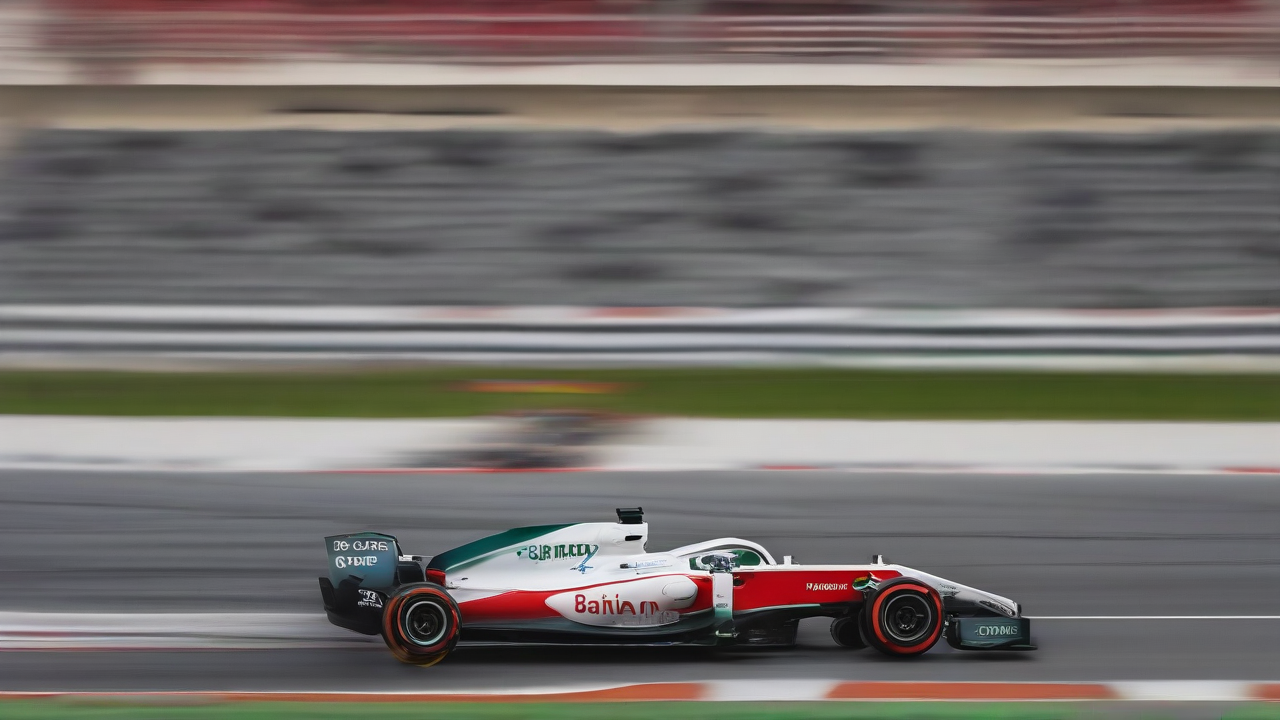
Middle East Conflict Impacts Global Sports
The escalating conflict in the Middle East has officially led to the cancellation of two major Formula 1 races, as reported by Motorsport.com and confirmed by Formula 1. The Bahrain and Saudi Arabian Grand Prix, initially scheduled for April, will not take place due to the ongoing tensions in the region. This decision comes as the conflict enters its 15th day, with international leaders, including former US President Trump, urging countries to take measures to secure the Strait of Hormuz, according to CNN.
Broader Implications and Context
Analysts note that the cancellation of these races signals a significant impact on global sports events due to geopolitical tensions. The move is seen as a precautionary measure to ensure the safety of participants, staff, and spectators. Observers point out that this is not the first time geopolitical conflicts have affected sporting events, but the current situation in the Middle East poses unique challenges. The decision to cancel the races in Bahrain and Saudi Arabia underscores the complexities of hosting international events in regions prone to conflict, as highlighted by ESPN and The Guardian.
Impact on the Formula 1 Calendar
The cancellation of the Bahrain and Saudi Arabian Grand Prix will undoubtedly affect the Formula 1 calendar, with potential rescheduling or replacement races being considered. According to sources, Formula 1 is exploring options to adjust the schedule, but no official announcements have been made. The move is expected to have significant implications for teams, drivers, and fans, who had been looking forward to these events. As reported by Motorsport.com, the cancellation is a result of the ongoing assessment of the situation in the Middle East, and the decision was made in consultation with relevant stakeholders.
Economic and Political Ramifications
The cancellation of these races is also likely to have economic and political ramifications for the region. Bahrain and Saudi Arabia have invested heavily in hosting Formula 1 events, which are seen as prestigious and economically beneficial. The loss of these events may impact local businesses and economies, which had been expecting an influx of visitors and revenue. Furthermore, the decision to cancel the races may be perceived as a reflection of the region’s instability, which could have broader political implications.
What to Watch Next
As the situation in the Middle East continues to unfold, fans and stakeholders will be watching closely for any updates on the Formula 1 calendar. The upcoming days and weeks will be crucial in determining the fate of the racing season, with potential announcements on rescheduled or replacement races. According to Formula 1, the organization is committed to finding solutions that prioritize the safety and well-being of all involved, while also ensuring the integrity of the championship. As the conflict continues, the sports world will be closely monitoring developments and their impact on international events.


Reader Comments