Controversy Surrounds Iran’s World Cup Participation
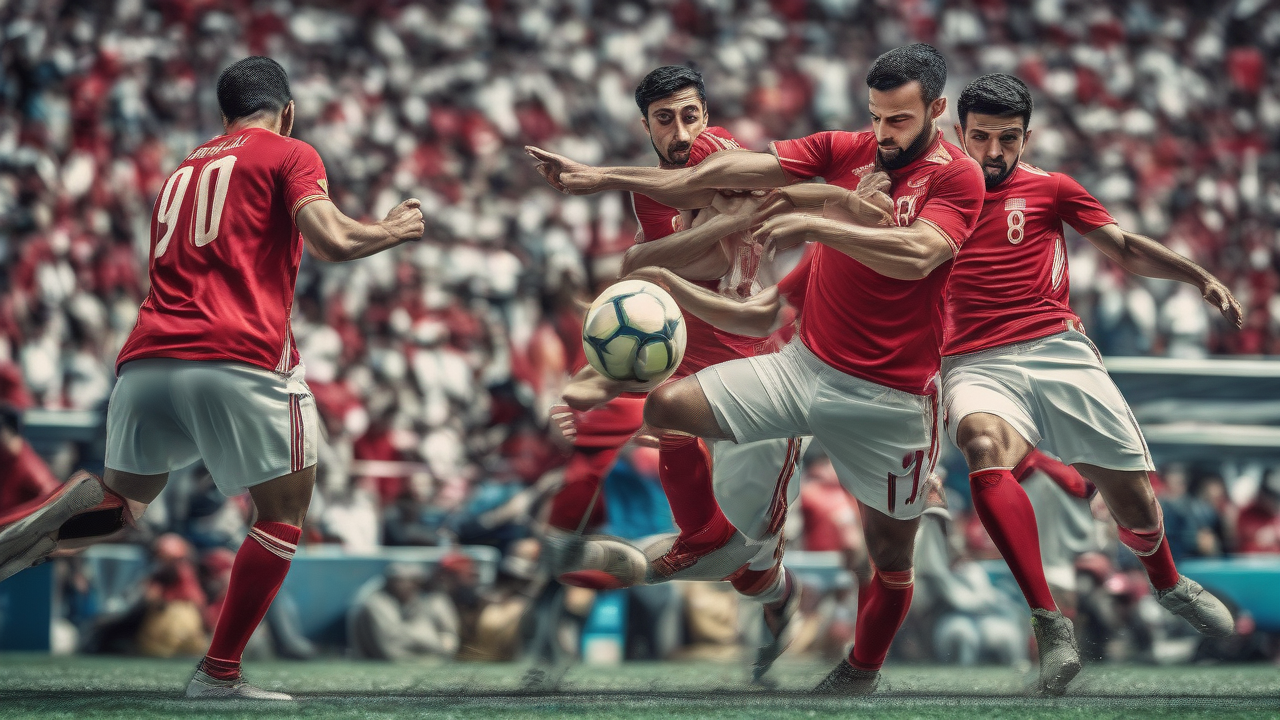
In a surprising statement, US President Donald Trump has expressed mixed sentiments regarding Iran’s participation in the 2026 World Cup, as reported by BBC Sport. While acknowledging that Iran is “welcome” to compete in the tournament, Trump also suggested that it may not be “appropriate” for the country to participate. This statement has sparked debate and raised questions about the intersection of sports and politics on the global stage.
A Complex Geopolitical Landscape
Observers point out that the relationship between the US and Iran has been strained for decades, with tensions escalating in recent years. Analysts note that Trump’s comments may be seen as an attempt to exert pressure on Iran, which has been facing international scrutiny over its human rights record and nuclear program. The move signals a complex geopolitical landscape, where sports diplomacy is increasingly being used as a tool to influence international relations. According to experts, this phenomenon is not unique to the US-Iran dynamic, as countries around the world are using sports to further their foreign policy objectives.
Impact on the Sporting Community
The stakes are high for the sporting community, as a potential ban on Iran’s participation in the World Cup could have far-reaching consequences. Sources indicate that such a move could lead to a backlash from the international football community, with some arguing that sports should remain separate from politics. The decision could also affect the morale and motivation of Iranian athletes, who have been training for years to compete on the world stage. As reported by BBC Sport, the Iranian football team has a significant following, and a ban on their participation could lead to widespread disappointment and disillusionment among fans.
Broader Implications
The controversy surrounding Iran’s World Cup participation highlights the challenges of navigating the complex relationship between sports and politics. Experts argue that the situation is a microcosm of the broader tensions between nations, where geopolitical interests often intersect with sporting events. The incident also raises questions about the role of international sporting organizations, such as FIFA, in promoting diplomacy and understanding between nations. According to observers, the outcome of this situation will have significant implications for the future of sports diplomacy and the ability of international organizations to navigate complex geopolitical landscapes.
What’s Next
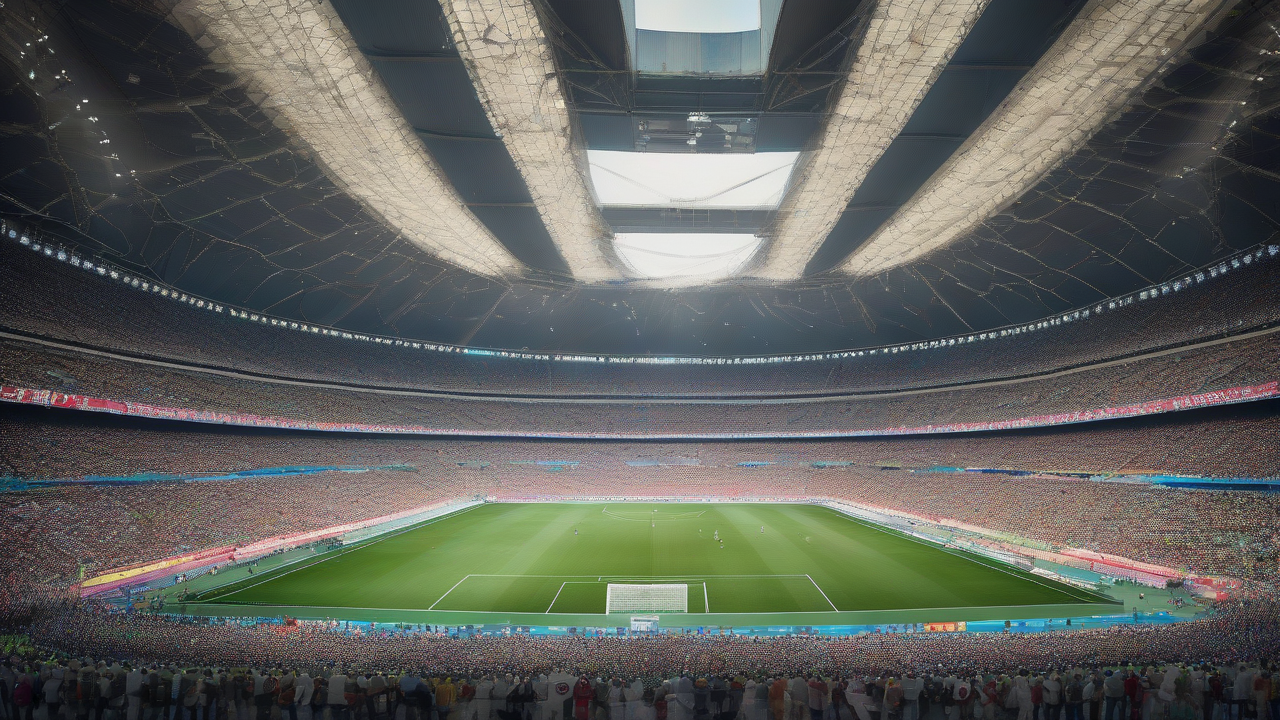
As the situation continues to unfold, observers will be watching closely to see how the US and Iran navigate this complex issue. The 2026 World Cup is still several months away, and it remains to be seen whether Iran will ultimately be allowed to participate. Sources indicate that FIFA will be under pressure to make a decision, with some arguing that the organization has a responsibility to promote sports diplomacy and understanding between nations. As the world waits with bated breath, one thing is certain – the outcome of this situation will have significant implications for the future of international sports and diplomacy.

Reader Comments