Introduction to a Growing Controversy
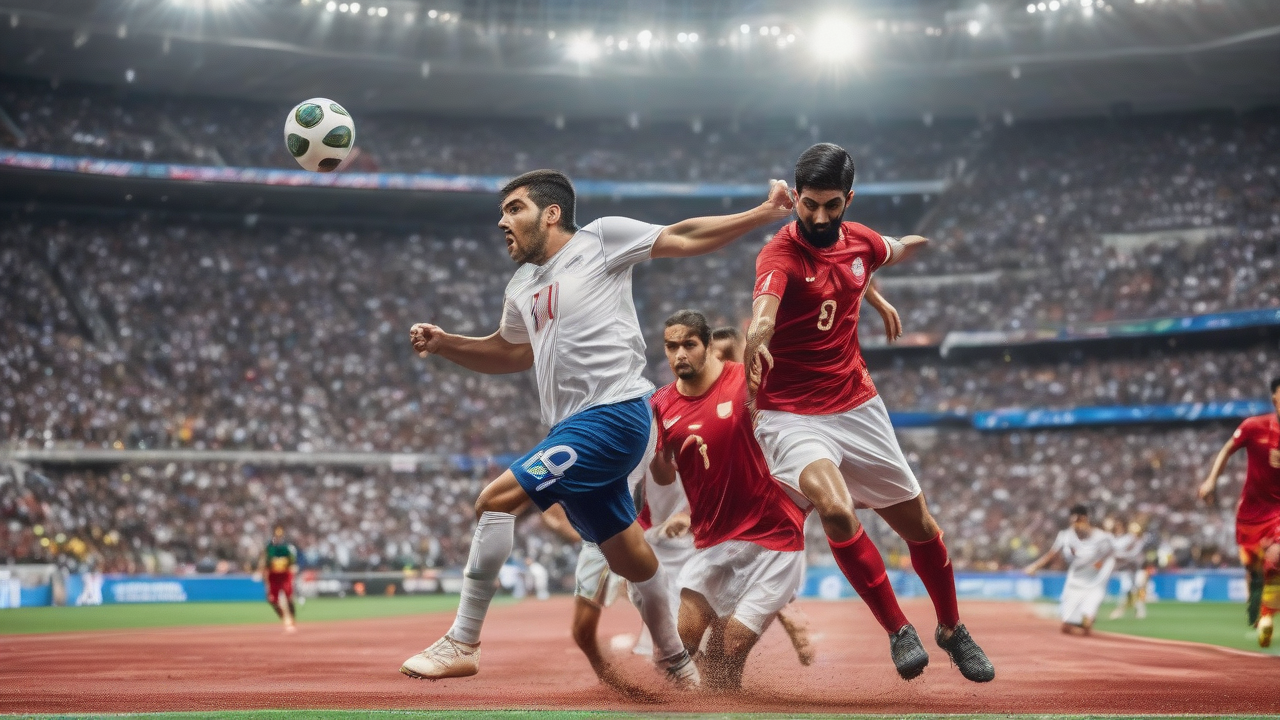
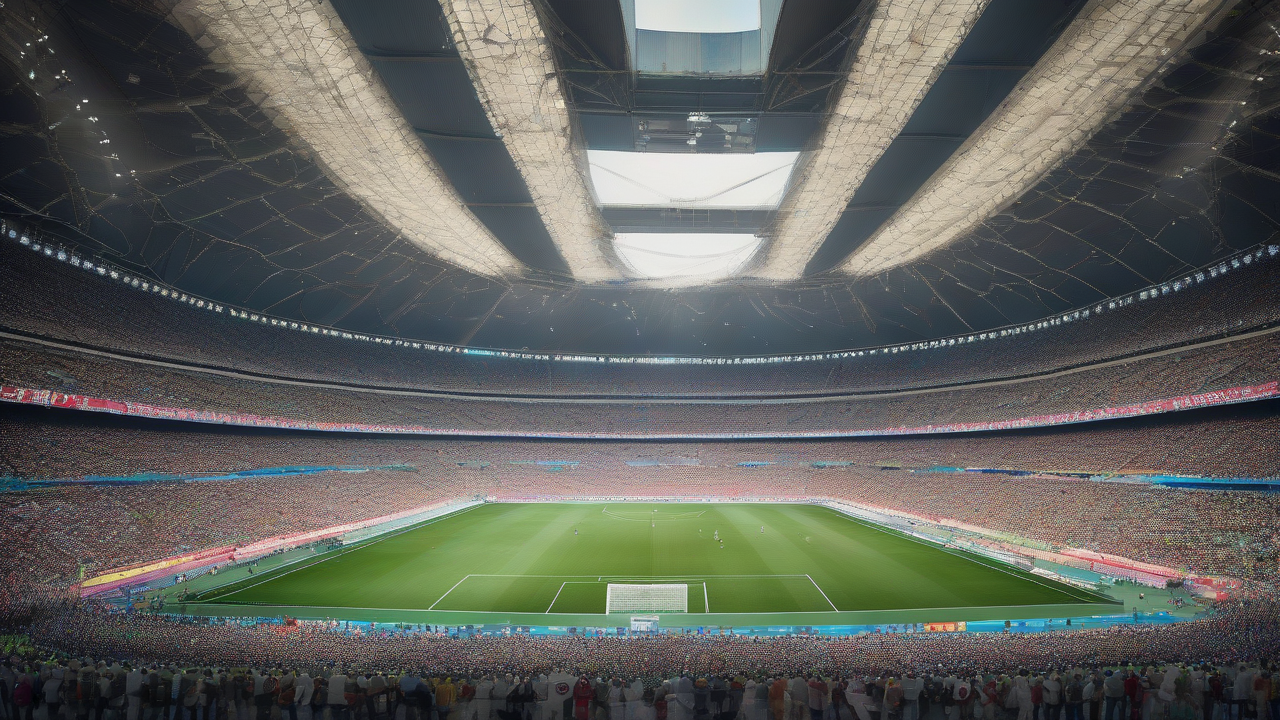
The 2026 World Cup, set to be one of the most widely viewed and highly anticipated sporting events in the world, has become the focal point of a brewing diplomatic controversy. According to a statement reported by BBC Sport, US President Donald Trump has expressed a mixed view on Iran’s participation in the upcoming tournament, stating that while Iran is “welcome,” it is not “appropriate” for them to be there. This statement comes at a time of heightened tensions between the United States and Iran, raising questions about the intersection of sports and politics on the global stage.
The Complexities of International Relations
Observers point out that the World Cup, beyond being a premier sporting event, also serves as a significant platform for international relations and diplomacy. The presence of Iran, a country with which the United States has a complex and often contentious relationship, underscores the challenges of navigating political differences in the context of global sports. Analysts note that such statements from high-profile figures like President Trump can influence public opinion and potentially impact the political climate surrounding the event.
Context and Implications
The statement’s implications extend beyond the realm of sports, touching on broader issues of international diplomacy and the role of sports in facilitating or hindering political dialogue. As reported by BBC Sport, the mixed message from President Trump reflects the delicate balance that countries must strike when engaging in international events while navigating geopolitical tensions. Experts suggest that the participation of countries like Iran in global sporting events can serve as a catalyst for dialogue and understanding, yet it can also be fraught with political sensitivities and potential controversies.
Impact on the Sporting Community
The sporting community, including fans, players, and organizers, is closely watching the developments. The World Cup is an event that brings together nations and peoples from around the globe, promoting unity and competition. However, political statements and tensions can affect the atmosphere and the spirit of the game. According to sources, the Federation Internationale de Football Association (FIFA) and other governing bodies face the challenging task of ensuring that the event remains focused on sports, despite external political pressures.
Moving Forward
As the 2026 World Cup approaches, all eyes will be on how the situation with Iran’s participation unfolds. Upcoming decisions by FIFA, as well as statements from other world leaders, will be crucial in determining the trajectory of this issue. Analysts indicate that the next few months will be pivotal, with potential developments including further statements from President Trump, reactions from the Iranian government, and decisions from international sporting bodies. The world will be watching to see how the intersection of sports and politics plays out on this global stage, and what this might mean for the future of international sporting events.
Reader Comments