
A New Chapter for EV Batteries
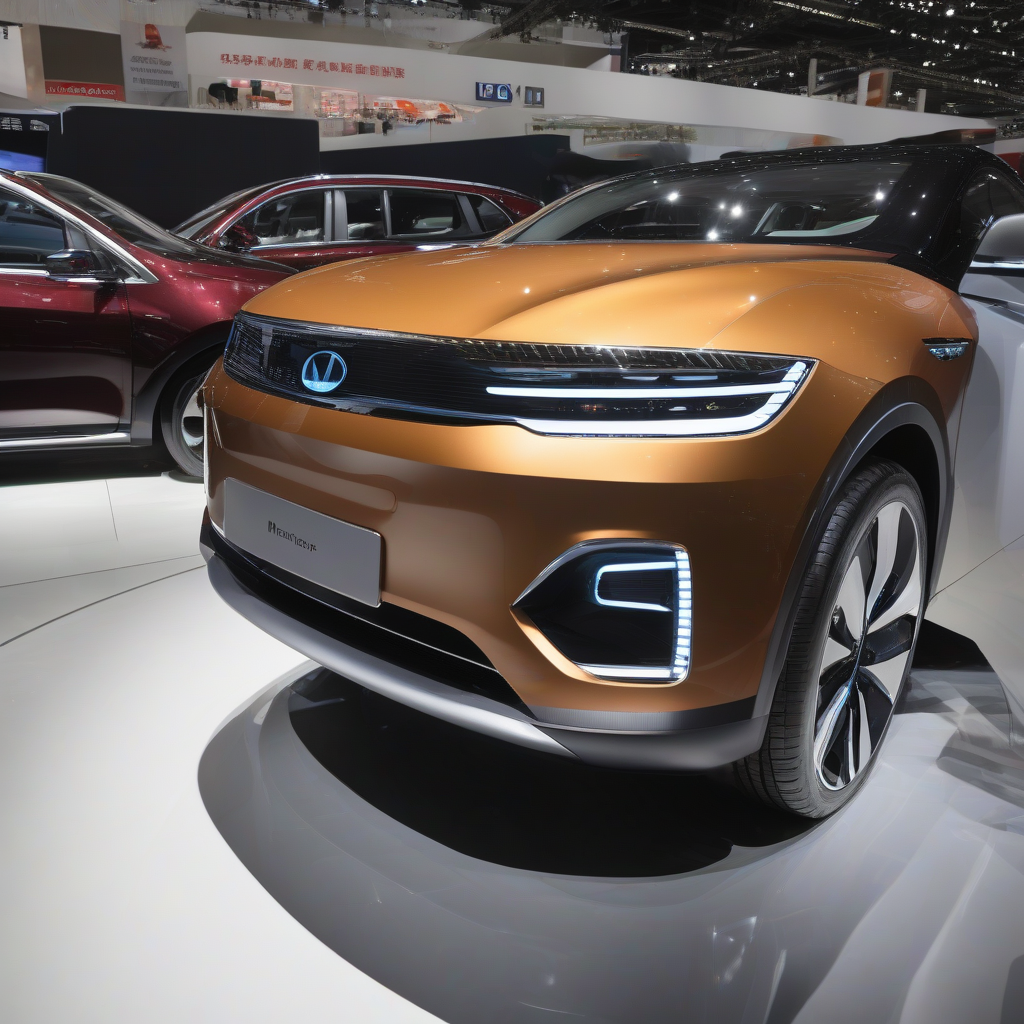
The electric vehicle industry has reached a significant milestone with the announcement that the Changan Nevo A06 will become the first production EV sold with a sodium-ion battery. The Chinese automaker’s decision marks the beginning of what many industry observers believe could be a transformative shift away from the lithium-ion chemistry that has dominated the market for over a decade.
Sodium-ion batteries have long been viewed as a promising alternative to lithium-based cells, and the Nevo A06 represents the technology’s commercial coming-of-age.
Why Sodium Matters
The advantages of sodium-ion technology are compelling. These batteries are reportedly safer than lithium-ion alternatives, with a lower risk of thermal runaway — the chain reaction that can cause battery fires. They are also cheaper to produce, as sodium is vastly more abundant than lithium and does not carry the same geopolitical supply chain risks.
Perhaps most intriguingly for consumers in northern climates, sodium-ion batteries perform significantly better in extreme cold. Where lithium-ion cells lose substantial capacity in freezing temperatures, sodium-ion chemistry maintains more consistent performance — a characteristic that could make EVs more practical in regions where cold weather has been a persistent barrier to adoption.
Trade-offs Remain
The technology is not without limitations. Current sodium-ion batteries offer lower energy density than their lithium counterparts, meaning they store less energy per unit of weight. For the Nevo A06, this translates to a more modest driving range compared to premium lithium-ion EVs.
However, for urban commuters and drivers who primarily use their vehicles for shorter trips, the range may prove entirely adequate — particularly when weighed against the cost savings and safety benefits.
Industry Implications
The launch is being closely watched by automakers and battery manufacturers worldwide. If sodium-ion technology proves itself in real-world conditions, it could trigger a diversification of battery chemistry across the industry, reducing dependence on lithium supply chains that have been plagued by price volatility and ethical sourcing concerns.
Chinese battery giant CATL has been developing its own sodium-ion cells, and several other manufacturers have pilot programs underway, as reported by TechRadar. The Nevo A06 will serve as a critical proof of concept for the entire industry.
Looking Ahead
Industry analysts expect sodium-ion batteries to initially find their niche in affordable, short-range EVs and stationary energy storage before potentially expanding to higher-performance applications as the technology matures. The Changan launch is just the beginning of what could become a multi-billion-dollar market segment.



Reader Comments