
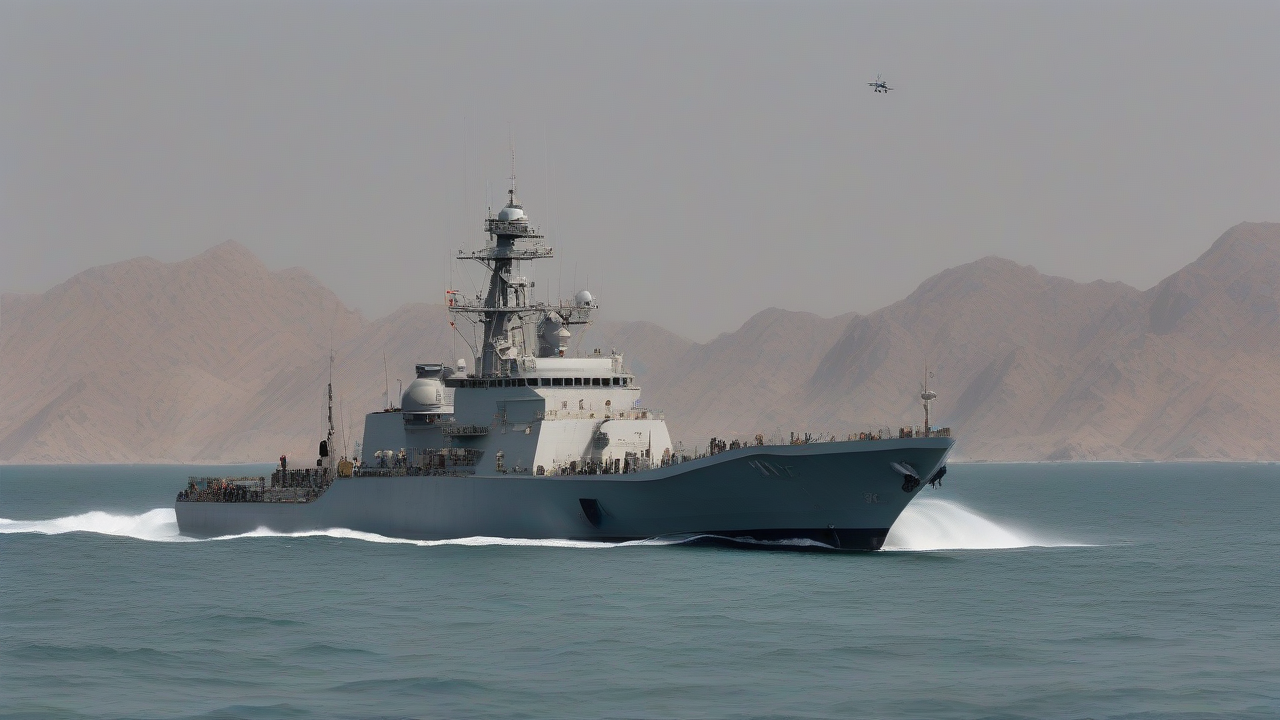
Rising Tensions in the Strait of Hormuz
The European Union is making a concerted effort to adjust its naval mission in the Middle East, with a focus on safeguarding the strategic Strait of Hormuz, according to reports from Bloomberg.com. This move comes at a time of heightened tensions between Iran and Western nations, underscoring the critical importance of maintaining stability in this vital waterway.
Context and Implications
The Strait of Hormuz, a narrow passage connecting the Persian Gulf to the Gulf of Oman, is a crucial chokepoint for global oil trade, with approximately 20% of the world’s petroleum passing through it. Observers point out that any disruption to shipping in this area could have far-reaching consequences for the global economy. Analysts note that the EU’s proposed shift in naval mission is a pragmatic response to the escalating situation, as it seeks to protect its economic interests and ensure the free flow of trade.
Expert Analysis
As reported by Bloomberg.com, the EU’s initiative is seen as a proactive measure to mitigate the risks associated with the ongoing tensions between Iran and the West. Experts emphasize that the situation in the region is highly volatile, with the potential for miscalculations or unforeseen events that could rapidly escalate into a wider conflict. The move to bolster the EU’s naval presence in the area is viewed as a necessary step to prevent such a scenario from unfolding.
Impact on Global Trade
The potential consequences of a disruption to shipping in the Strait of Hormuz are significant, with the global economy heavily reliant on the uninterrupted flow of oil and other commodities. According to sources, a closure of the strait could lead to a substantial increase in oil prices, having a ripple effect on the global economy. The EU’s efforts to safeguard the waterway are, therefore, closely watched by traders, investors, and policymakers around the world.
Forward-Looking Developments
As the situation in the region continues to evolve, observers will be closely monitoring the EU’s naval mission and its impact on the security of the Strait of Hormuz. Upcoming developments, such as potential diplomatic engagements between the EU and Iran, or changes in the regional military posture, will be critical in determining the trajectory of the situation. According to Bloomberg.com, the EU’s push to shift its naval mission is a significant development that will be closely watched in the coming weeks and months.
Regional Dynamics
The EU’s initiative is also seen as part of a broader effort to address the complex regional dynamics at play. Analysts note that the situation in the Middle East is characterized by multiple competing interests, with various nations and factions vying for influence. The EU’s move to protect the Strait of Hormuz is, therefore, viewed as a necessary step to maintain stability in the region and prevent the situation from deteriorating further. As reported by Bloomberg.com, the EU’s efforts are seen as a critical component of a broader strategy to promote peace and security in the region.
Conclusion
The European Union’s push to shift its naval mission to protect the Strait of Hormuz is a significant development in the ongoing tensions between Iran and the West. With the global economy heavily reliant on the uninterrupted flow of oil and other commodities, the EU’s efforts to safeguard the waterway are closely watched by traders, investors, and policymakers around the world. As the situation in the region continues to evolve, observers will be monitoring the EU’s naval mission and its impact on the security of the Strait of Hormuz, as well as upcoming developments that will determine the trajectory of the situation.

Reader Comments