
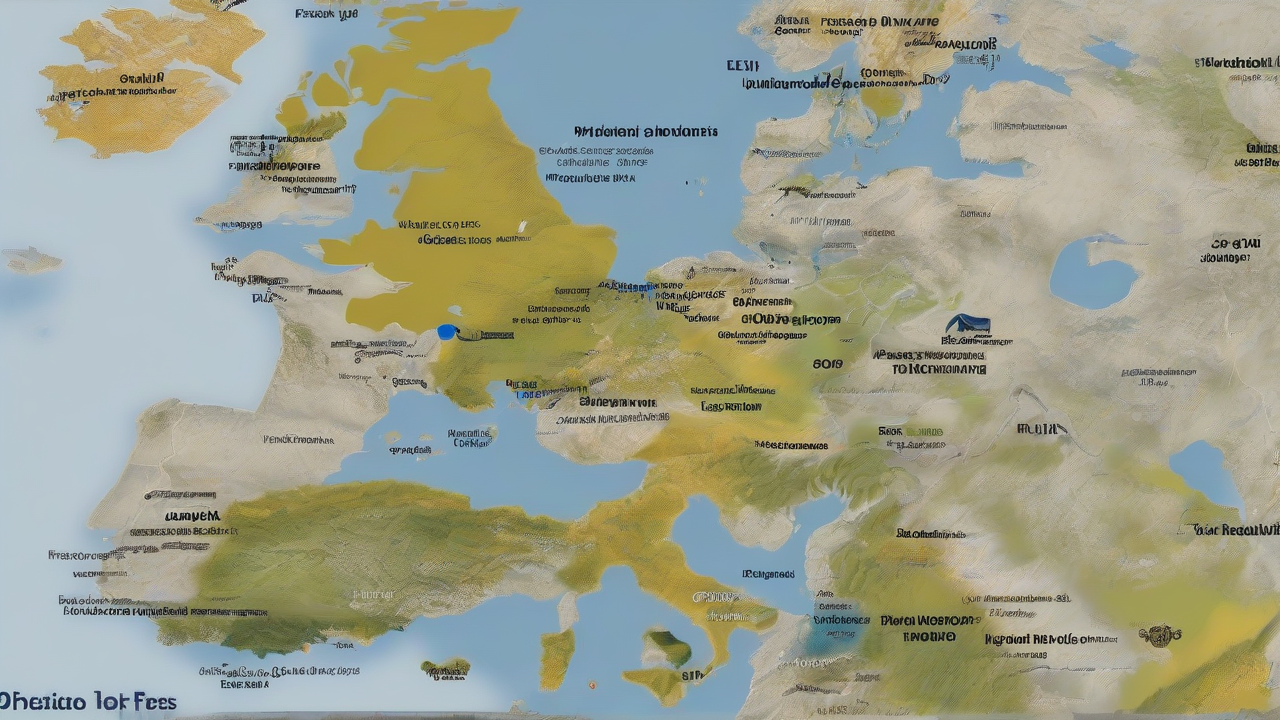
Rising Tensions in the Strait of Hormuz
The European Union is actively pursuing a diplomatic solution to ease tensions in the Strait of Hormuz, according to Commissioner Kallas, as reported by Reuters. This development comes at a critical time, with the international community increasingly concerned about the potential for conflict in the region. The Strait of Hormuz, a vital waterway connecting the Persian Gulf to the Arabian Sea, is a key shipping route for oil and other commodities, making its stability crucial for global economic interests.
A Delicate Balance of Power
Observers point out that the situation in the Strait of Hormuz is complex, involving multiple stakeholders with competing interests. The United States, under President Trump, has been seeking to build a coalition to protect shipping in the region, but efforts have been met with skepticism by some European allies. Analysts note that a diplomatic solution, as advocated by the EU, could provide a more sustainable and less confrontational approach to resolving the crisis. As CNN suggests, building a coalition requires careful diplomacy and a clear strategy, which has been lacking in the U.S. approach so far.
Economic Implications
The ongoing tensions in the Strait of Hormuz have significant economic implications, with oil prices jumping 4% recently due to doubts over the effectiveness of U.S.-backed plans to protect shipping, as reported by CNBC. This volatility in the oil market underscores the need for a stable and secure solution to the crisis. According to experts, a prolonged conflict in the region could have far-reaching consequences for the global economy, making a diplomatic solution all the more urgent.
International Cooperation
The EU’s pursuit of a diplomatic solution is seen as a positive step towards de-escalating tensions in the region. However, as NPR notes, the U.S. has also been seeking help from NATO to address the situation, which could potentially complicate efforts to find a unified international response. The move signals a recognition by the U.S. of the need for international cooperation to address the crisis, but it remains to be seen how this will play out in practice.
What’s Next
As the situation in the Strait of Hormuz continues to unfold, observers will be watching closely to see how the EU’s diplomatic efforts progress. With the U.S. facing challenges in building a coalition, and oil prices remaining volatile, the stakes are high. Upcoming developments, including potential meetings between EU and U.S. officials, will be critical in determining the course of events. According to sources, the next few weeks will be crucial in shaping the international response to the crisis, and all eyes will be on the EU’s efforts to broker a diplomatic solution. As reported by Axios, the Trump administration’s struggles to build a coalition highlight the complexities of the situation, and the need for a coordinated international response.

Reader Comments