

Rising Tensions in the Mediterranean
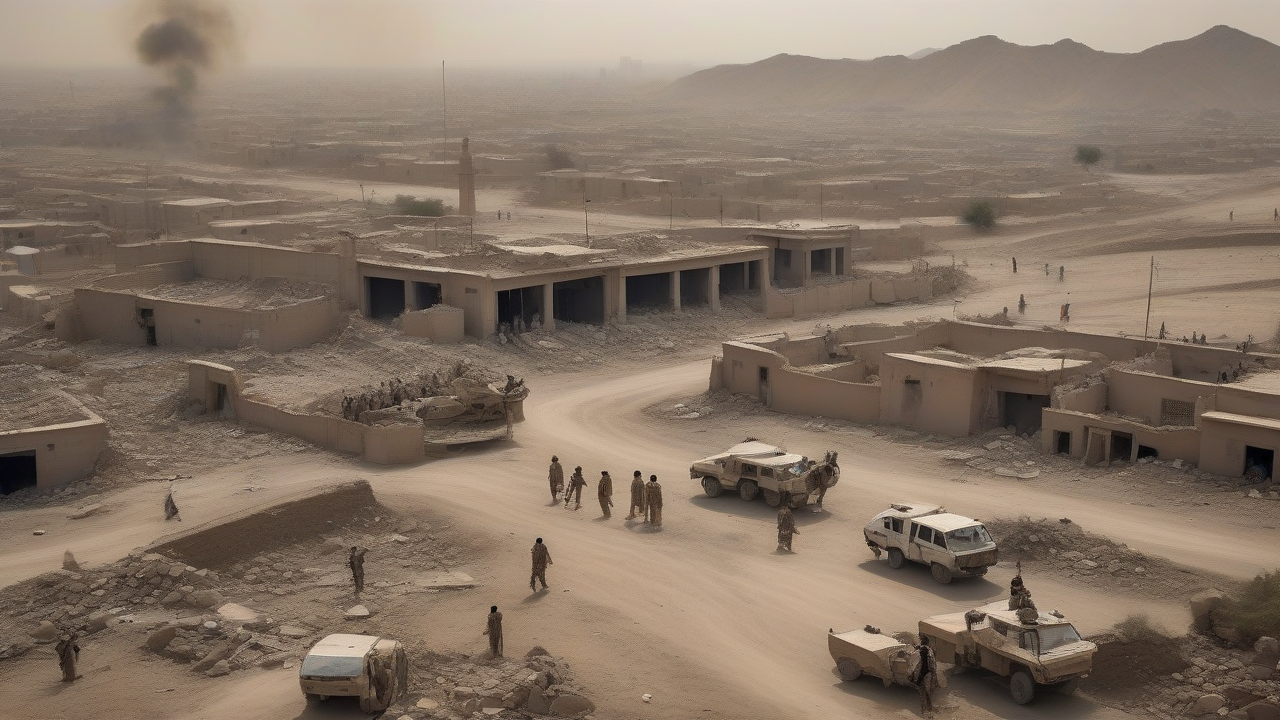
A recent drone strike has significantly escalated tensions in the Mediterranean, with Cyprus and the broader European region on high alert. According to reports from The New York Times, this development signals a critical shift in the geopolitical landscape, prompting a reevaluation of alliances in the Middle East. Analysts note that the move by France to bolster its naval presence in the region, as highlighted by Defense News, underscores the complexity of the situation and the strategic importance of the Mediterranean.
European Security Concerns
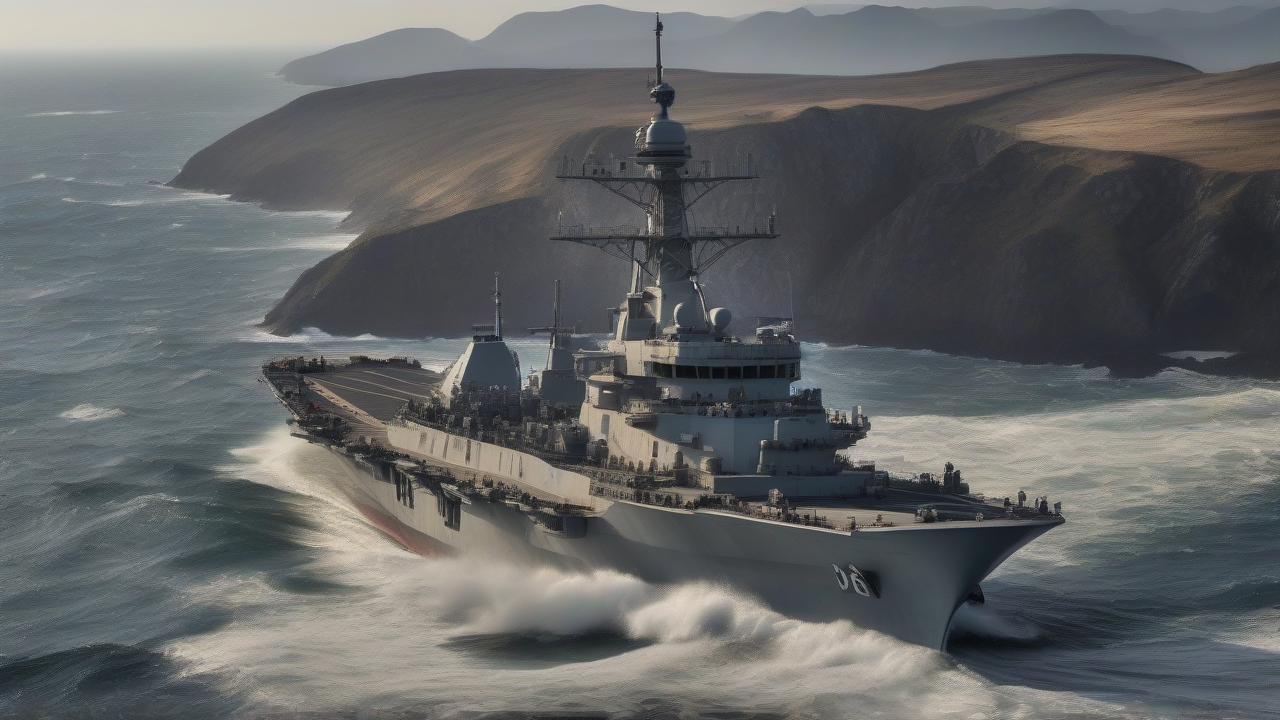
The deployment of additional French warships to the Middle East, as pledged by the French Navy and reported by USNI News, is seen as a demonstration of France’s commitment to maintaining stability in the region. Observers point out that this move also reflects the growing concern among European nations about the potential for conflict to spill over into their territories. The small island of Cyprus, in particular, has found itself at the forefront of European security concerns, as noted by CBS News, due to its strategic location and the implications of the Iran war on regional dynamics.
Global Implications
The situation in the Mediterranean has far-reaching implications, affecting not only the immediate region but also global trade and security. The Strait of Hormuz, a critical waterway for international oil trade, is now under increased scrutiny, with the French Navy pledging to provide escorts, according to USNI News. This development highlights the interconnectedness of global security and the potential for local conflicts to have widespread consequences. Experts emphasize that the current state of affairs demands a nuanced understanding of the complex interplay between regional actors and global powers.
Regional Alliances and Strategies
As reported by The Barents Observer, France’s decision to withdraw its nuclear-powered aircraft carrier from the “Cold Response” exercise signals a strategic realignment of priorities. Analysts interpret this move as indicative of France’s focus on the Mediterranean and the Middle East, reflecting a broader shift in European strategic thinking. The move signals that European nations are reassessing their alliances and military deployments in response to emerging threats and changing geopolitical realities.
Impact on Cyprus and the Region
The people of Cyprus and the broader European community are directly affected by these developments, with increased military activity and the potential for conflict posing significant risks. The economic implications are also considerable, given the importance of the region for trade and tourism. As the situation continues to unfold, observers are watching closely for signs of escalation or de-escalation, with the hope that diplomatic efforts can mitigate the risks of wider conflict.
Looking Ahead
In the coming weeks and months, several key developments will be worth watching. The deployment of additional French warships to the Middle East and the escalation of the situation in the Mediterranean will continue to be major points of focus. Furthermore, the response of other European nations and global powers to the evolving situation will be critical in determining the trajectory of the conflict. As reported by various news outlets, including The New York Times and Defense News, the international community is bracing for potential further developments, underscoring the need for ongoing diplomatic engagement and strategic cooperation to address the complex security challenges in the region.

Reader Comments