
Introduction to a Divisive Issue
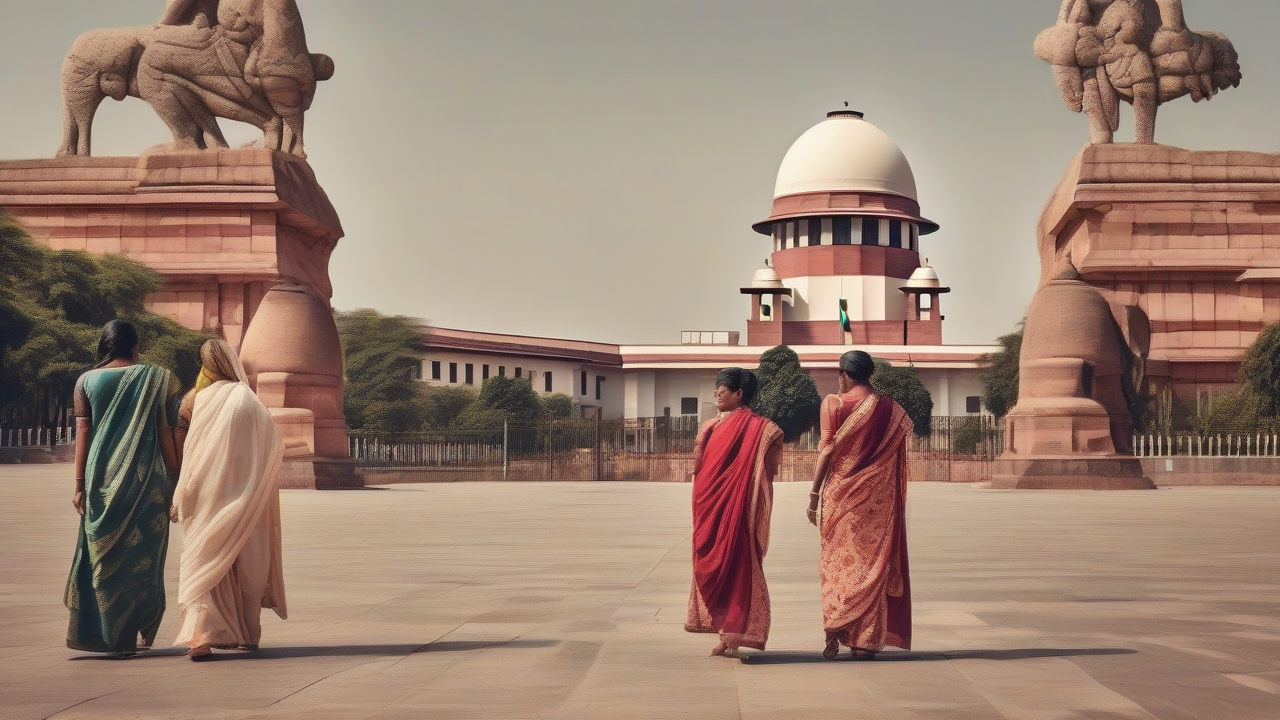
A recent decision by India’s top court has sparked renewed debate over a long-standing and contentious issue: menstrual leave. According to a report by BBC World, the court rejected a petition seeking to mandate menstrual leave for women across the country. This ruling has significant implications for women’s rights and workplace policies in India.
Background and Context
The concept of menstrual leave has been a topic of discussion in India for years, with some states and private companies already offering such benefits to their female employees. However, the issue remains highly polarized, with proponents arguing that it is essential for women’s health and well-being, while opponents claim that it could lead to discrimination and negatively impact women’s career prospects. As reported by BBC World, the rejection of the petition has highlighted the complexities and challenges surrounding this issue.
Expert Analysis
Analysts note that the court’s decision reflects the deeply ingrained societal attitudes towards menstruation in India. Observers point out that the stigma surrounding menstruation can lead to discrimination against women in the workplace, making it difficult for them to balance their professional and personal lives. The move signals a need for a more nuanced and comprehensive approach to addressing women’s health and well-being in the country.
Impact on Women’s Lives
The rejection of the petition has significant implications for women in India, particularly those working in industries that do not offer menstrual leave. According to sources, many women are forced to take unpaid leave or resort to using their sick leave during their menstrual cycle, which can lead to financial losses and impact their career advancement. Experts argue that this can exacerbate existing gender disparities in the workplace and perpetuate discriminatory practices.
Broader Implications
The issue of menstrual leave is not unique to India, and the country’s approach to this problem can have far-reaching implications for women’s rights and workplace policies globally. As reported by BBC World, some countries have already implemented menstrual leave policies, and India’s decision can influence the trajectory of this discussion worldwide. The rejection of the petition highlights the need for a more informed and empathetic approach to addressing women’s health and well-being in the workplace.
What’s Next
In the coming months, women’s rights activists and organizations are likely to continue pushing for policies that support women’s health and well-being in the workplace. As the debate surrounding menstrual leave continues, it is essential to consider the perspectives of all stakeholders involved, including employers, employees, and policymakers. According to BBC World, the Indian government has announced plans to review existing laws and policies related to women’s rights, which could potentially lead to changes in the country’s approach to menstrual leave. As the situation unfolds, it will be crucial to monitor developments and assess their impact on women’s lives and workplace policies in India.



Reader Comments