
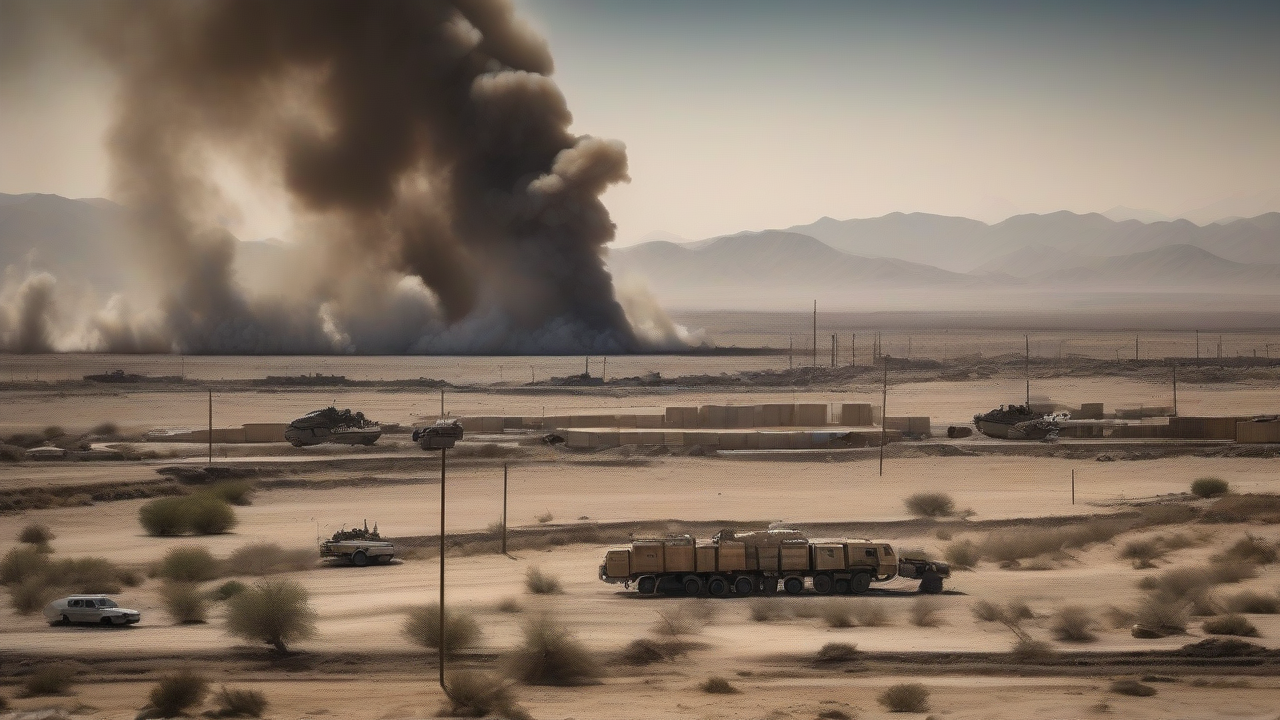
Global Markets Reel as Iran’s Attack on Gulf Shipping Sends Oil Prices Soaring
The price of Brent crude oil has surged above $100 a barrel, according to reports from Reuters, as Iran’s attack on Gulf shipping has triggered a significant escalation in tensions in the region. This sudden spike in oil prices has sent shockwaves through global markets, with shares taking a hit as investors worry about the potential impact on the global economy.
A Perfect Storm of Geopolitical Tensions
Analysts note that the current situation is a perfect storm of geopolitical tensions, with the Iran conflict at its center. The move by Iran to lay mines in the Strait of Hormuz, as reported by the Wall Street Journal, has triggered a response from the US, further escalating the situation. Observers point out that this escalation has significant implications for global oil supplies, as the Strait of Hormuz is a critical chokepoint for oil shipments.
Why It Matters
The surge in oil prices has significant implications for consumers and businesses around the world. As reported by CNBC, the price of Brent crude hitting $100 a barrel is likely to lead to higher gas prices, which will have a ripple effect on the global economy. Experts warn that this could lead to higher inflation, lower consumer spending, and slower economic growth. According to sources, the plans to release oil from reserves have failed to ease supply worries, contributing to the price surge.
Impact on Global Economy
The impact of the oil price surge will be felt by consumers and businesses alike. As noted by CNN, the rise in gas prices will hit low-income households the hardest, who spend a larger proportion of their income on fuel. Additionally, businesses that rely heavily on fuel, such as transportation and logistics companies, will also be affected. The move by Iran to attack Gulf shipping has also raised concerns about the safety of oil tankers and the potential for further disruptions to global oil supplies.
What’s Next
As the situation continues to unfold, investors and consumers will be watching closely for any developments that could impact the price of oil. According to Reuters, the US response to Iran’s actions will be critical in determining the next steps in the conflict. Observers point out that any further escalation could lead to even higher oil prices, while a de-escalation could lead to a decrease in prices. As reported by MS NOW, the opinion is that it’s fair to blame the current administration for the rising gas prices, which will likely be a key issue in upcoming elections.
Upcoming Developments
In the coming days, investors will be watching for any signs of a resolution to the conflict, as well as any announcements from oil-producing countries about potential increases in production. Additionally, consumers will be waiting to see how the surge in oil prices will affect the cost of fuel at the pump. As the situation continues to evolve, one thing is certain - the impact of the Iran conflict on global oil prices will be felt for some time to come. According to sources, the next few weeks will be critical in determining the trajectory of the conflict and its impact on the global economy.


Reader Comments