
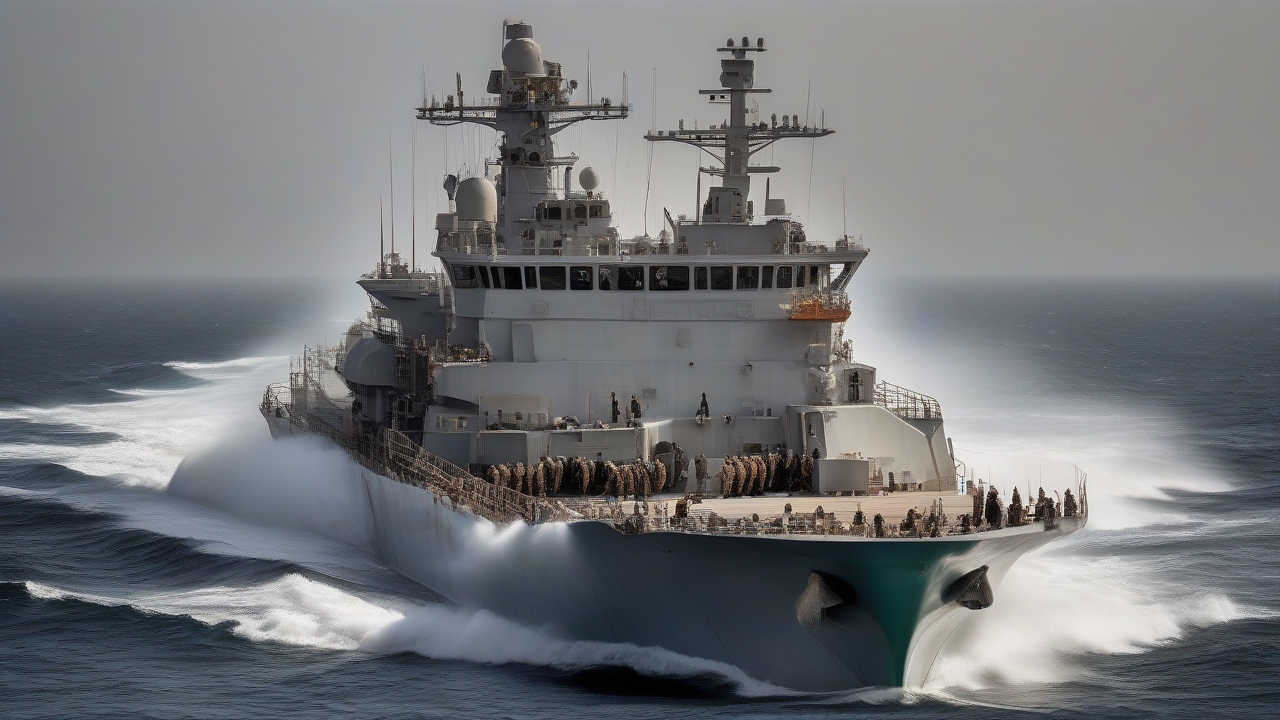
Rising Tensions in the Persian Gulf
A surge in attacks on vessels in the Persian Gulf has raised concerns about the safety of maritime trade in the region. According to reports from Al Jazeera and other sources, six vessels have been attacked, with some incidents attributed to Iranian drone boats and sea mines. This escalation of violence has significant implications for global oil prices, which have already surpassed $100 a barrel, as reported by The New York Times.
Impact on Global Oil Prices
The attacks have sparked fears of a wider conflict in the Middle East, which could lead to further disruptions in oil supplies. As reported by Bloomberg, the Mideast shipping crisis is widening, with more tankers being hit in the Gulf. Iran has warned that oil prices could reach $200 a barrel if the situation continues to deteriorate, according to CNBC. This would have far-reaching consequences for the global economy, as higher oil prices would increase the cost of production and transportation, ultimately affecting consumers worldwide.
Analysis of the Situation
Analysts note that the use of drone boats and sea mines by Iran is a significant escalation of the conflict. Observers point out that this tactic allows Iran to attack vessels without being directly attributed to the Iranian military, making it a potentially more effective way to disrupt maritime trade. The move signals a shift in Iran’s strategy, as it seeks to exert pressure on its adversaries and protect its own interests in the region.
Effects on Maritime Trade
The attacks have already had a significant impact on maritime trade in the region. Ship owners and managers are becoming increasingly cautious, with some choosing to reroute their vessels or avoid the Persian Gulf altogether. As reported by Reuters, the Zefyros tanker was hit by an unknown projectile at an Iraqi anchorage, highlighting the risks faced by vessels in the region. This has resulted in increased costs and delays for shipping companies, which could have long-term consequences for the global economy.
What to Watch Next
As the situation continues to unfold, several key developments will be worth watching. The international community’s response to the attacks will be crucial, with the potential for diplomatic efforts to de-escalate the situation. Additionally, the impact of the attacks on global oil prices and maritime trade will be closely monitored. With the situation remaining volatile, further incidents could occur at any time, making it essential to stay informed about developments in the region. According to sources, the next few days will be critical in determining the trajectory of the conflict, and the world will be watching closely to see how events unfold.
Reader Comments